

The Rainbow Bridge, Gundam, Seaside Park, Statue of Liberty, and the Giant Ferris Wheel are iconic sights of Odaiba, a man-made island in Tokyo Bay known for shopping and entertainment.
But who knew that within this vibrant part of Tokyo is a large four-building student dormitory? Neither did I. And that’s despite visiting Odaiba a few times as a tourist over the past decade.
As I was about to begin my student life in Japan, TIEC Residence Halls (or simply “TIEC”) became my top choice for student lodging, mainly because of the affordable rent and convenient facilities.
With more than two years staying at TIEC, I now have plenty of firsthand experiences and tips for anyone considering it as their home away from home in Tokyo.
A few years ago, when I was searching for more details about TIEC, I could only find a few blurry images online for the rooms in TIEC. This was somewhat disappointing because I wanted to get a better picture of the place where I would be spending the next two or three years of my life. That’s why I came up with writing this article.
Whether you’re weighing your options, already planning your move to TIEC, or simply curious, I’ll try to give you all the necessary information that you need to know about TIEC.
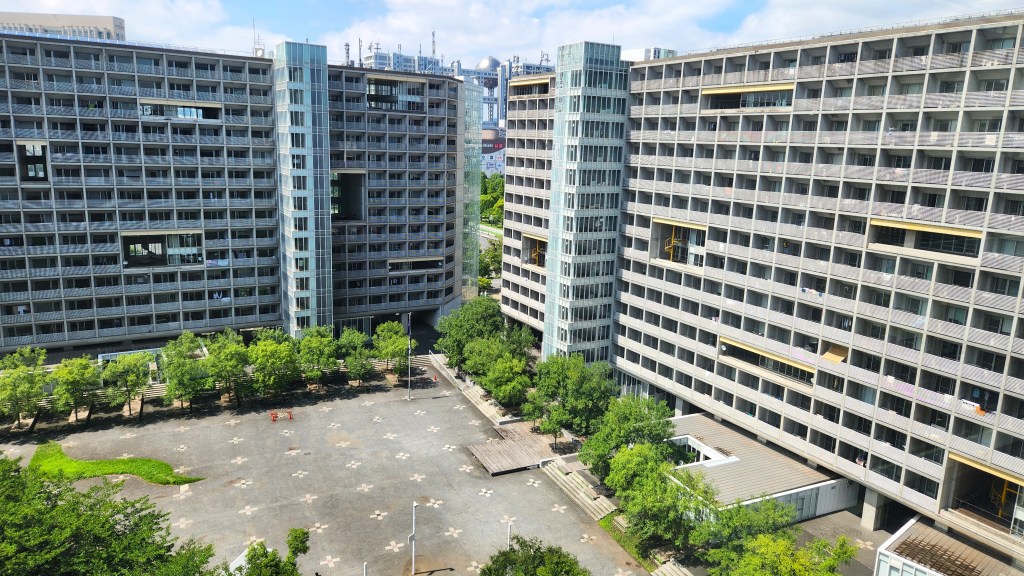
Overview of TIEC Residence Halls
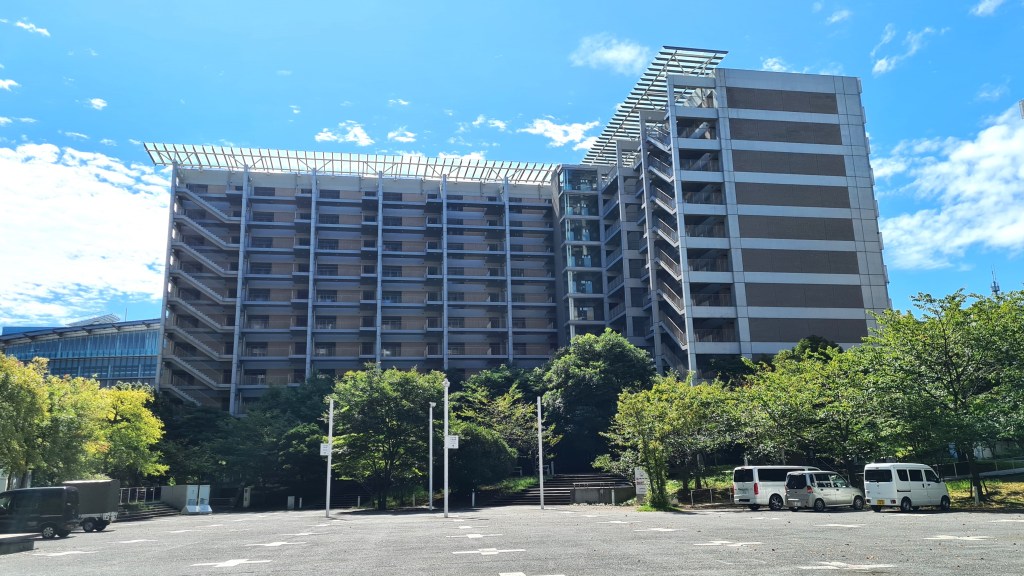
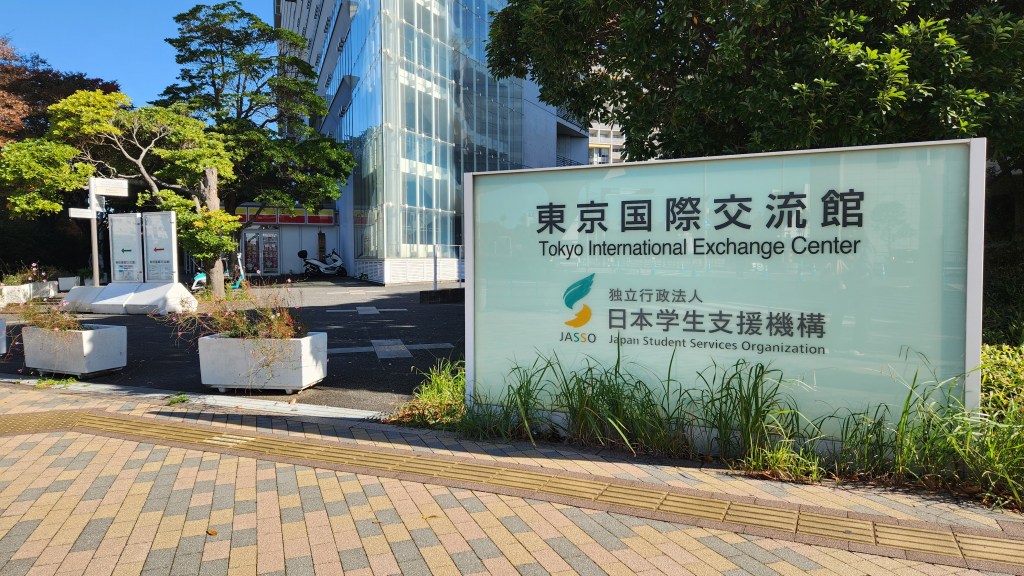
Completed in March 2001, the Tokyo International Exchange Center (TIEC) is a facility that provides a high-quality living space for nearly 1,000 foreign and Japanese graduate students and researchers in Tokyo.
TIEC was designed with the vision of fostering a global community and promoting international exchange among students and researchers from around the world. As such, TIEC has open and barrier-free spaces as well as state-of-the-art facilities.
TIEC Residence Halls are managed by the Japan Student Services Organization (JASSO), a government agency established by the Ministry of Education, Culture, Sports, Science and Technology (MEXT).
Room Types and Accommodation Options
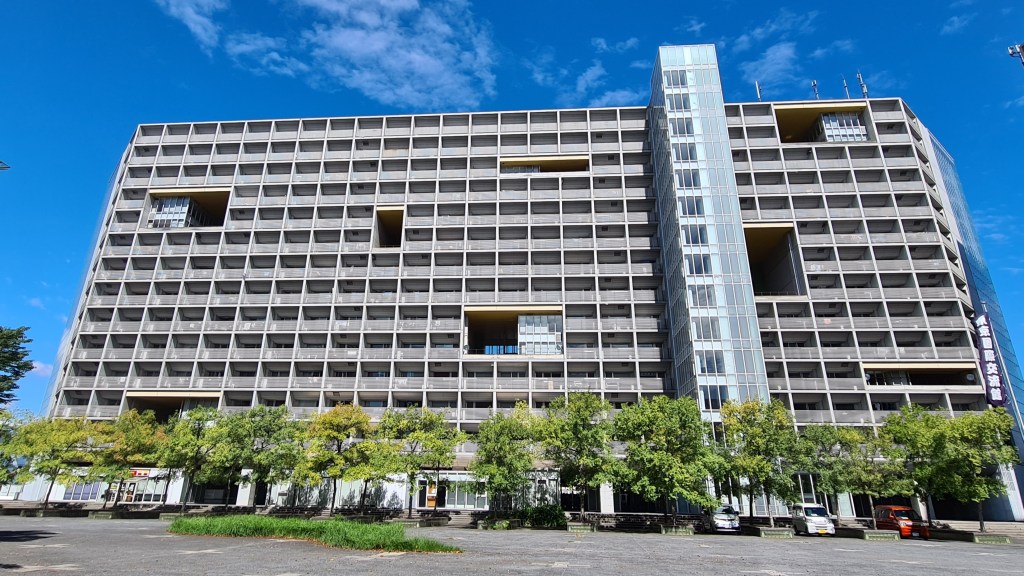
There are four dormitory buildings in TIEC (hereafter referred to as “Hall”) with 796 room units covering a total area of around 65,000 m2.
TIEC caters to three types of occupants: single, couple, and family. Two halls are designated for single occupants, one for couples, and another one for families.
All the rooms are already furnished, which makes moving in a lot easier. However, they do not come with a PC, TV, and internet.
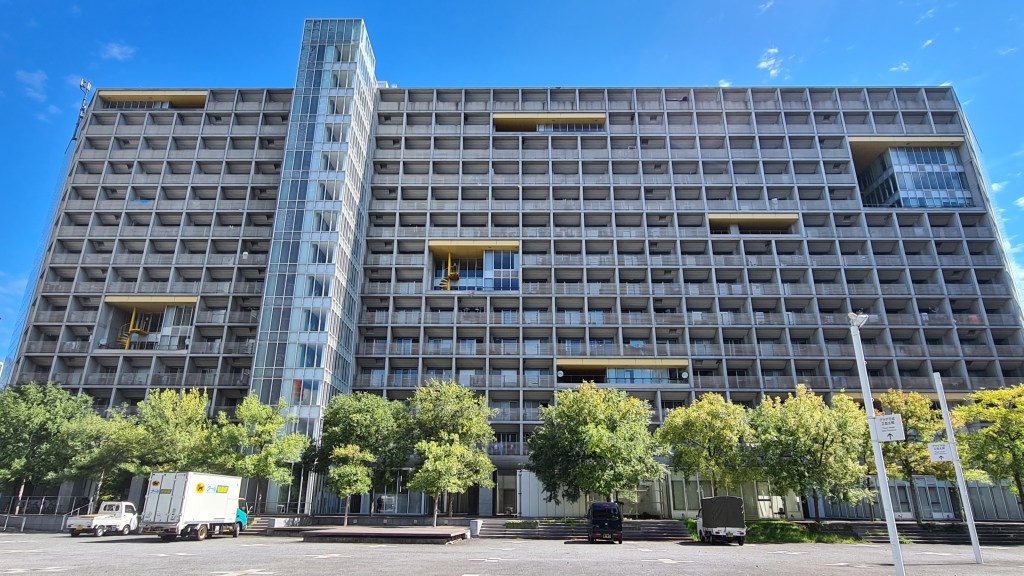
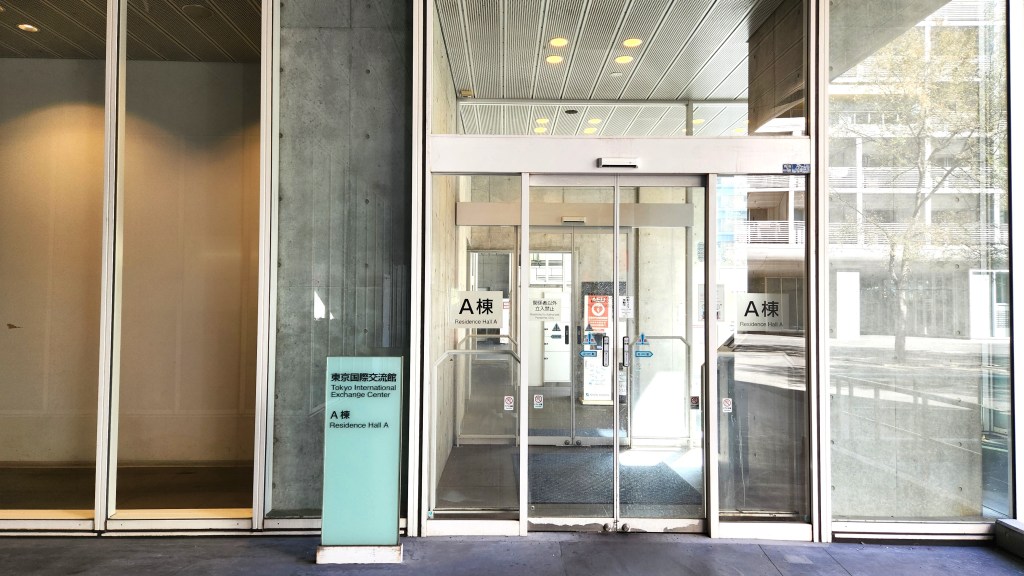
Hall A
| Occupant type | Single |
| Room type | 1R |
| Floor area | 20 m2 |
| Number of floors | 14 floors |
| Number of room units | 330 units |
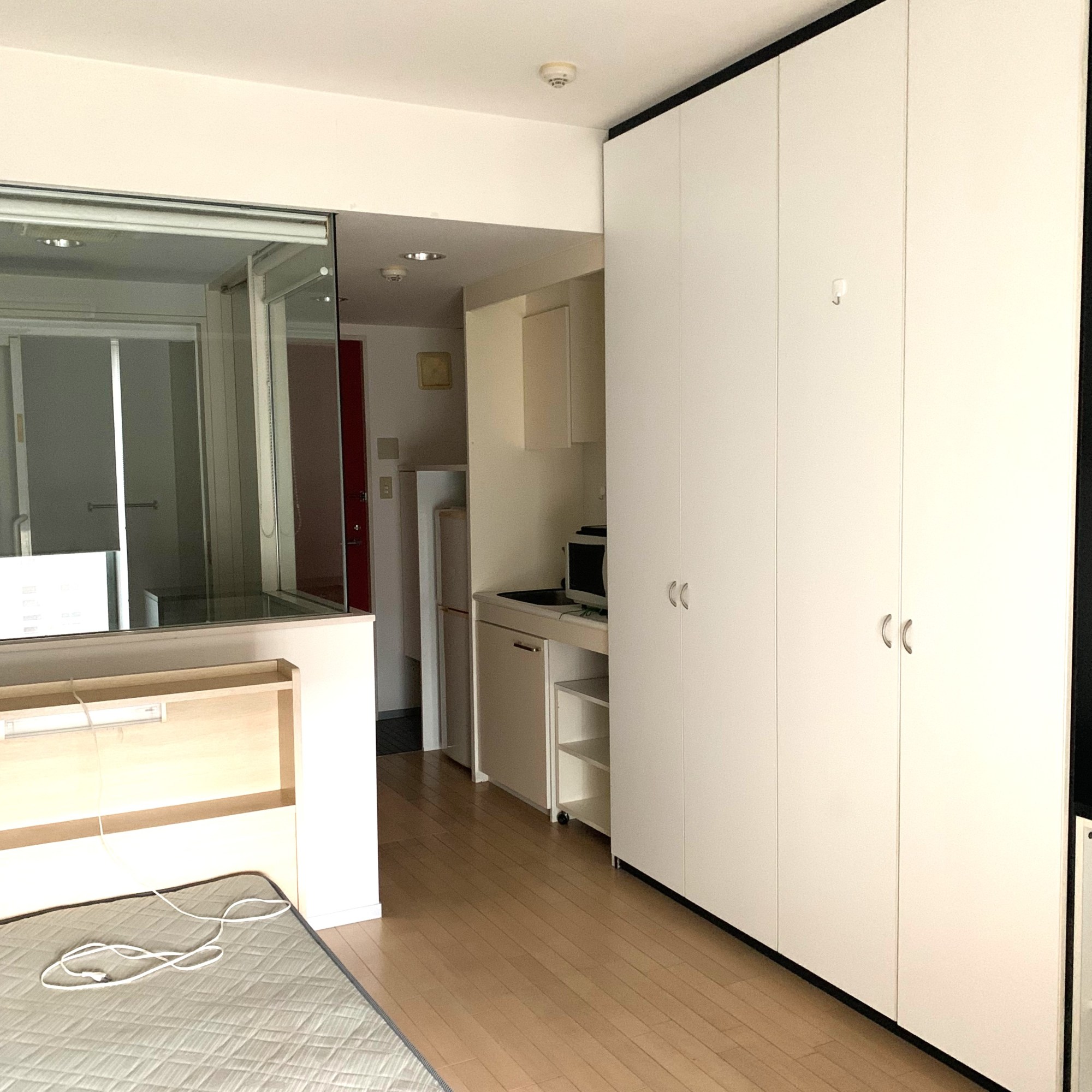
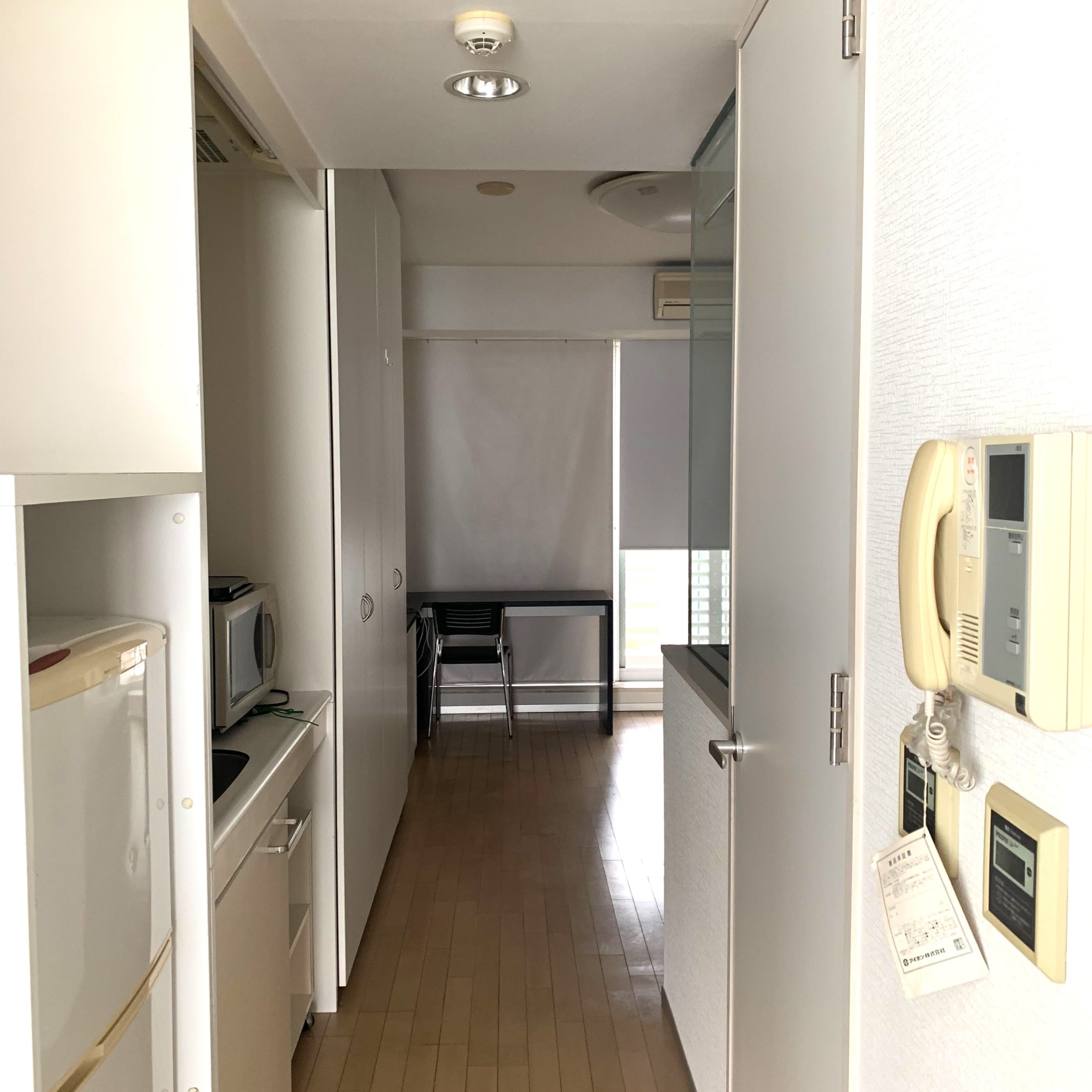
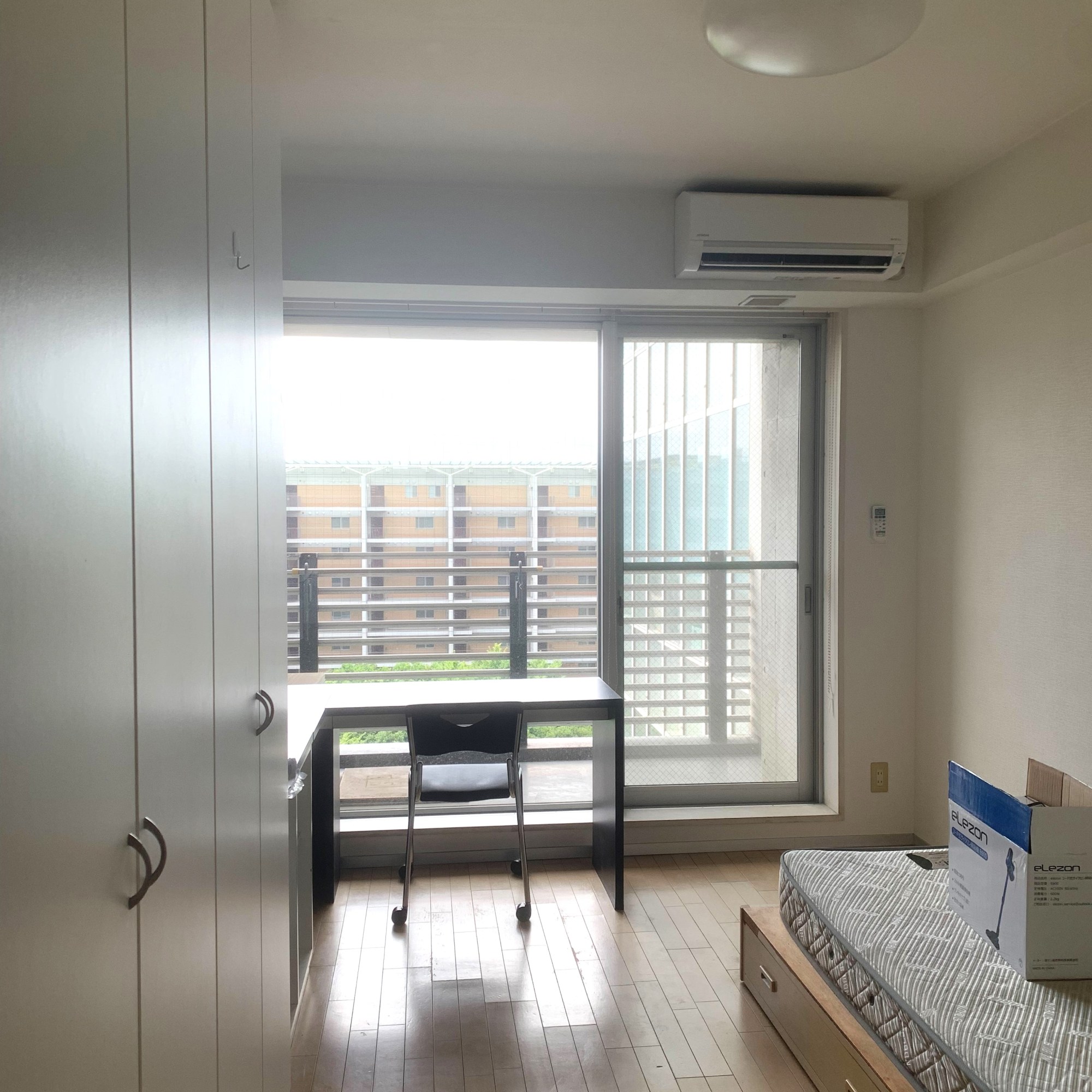
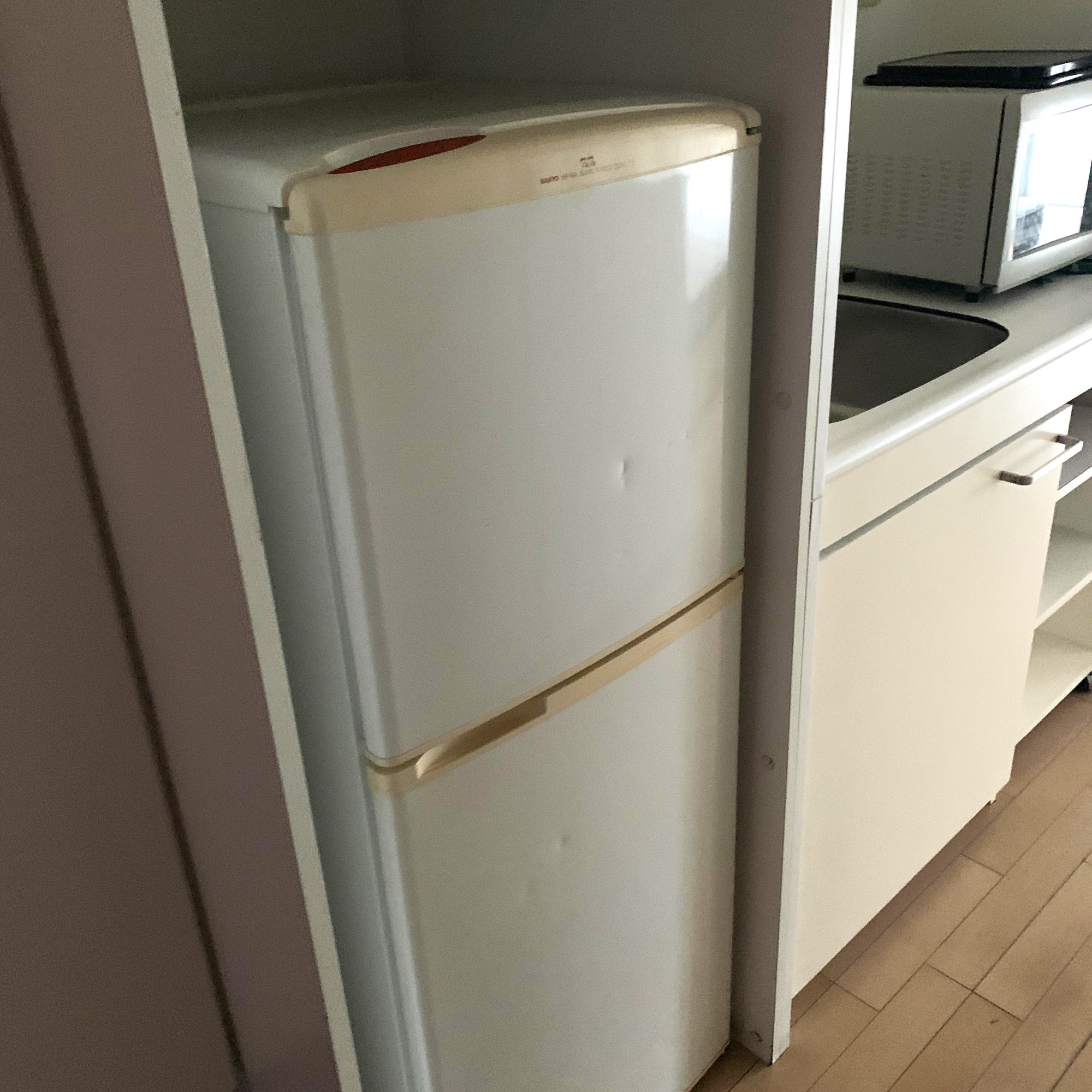
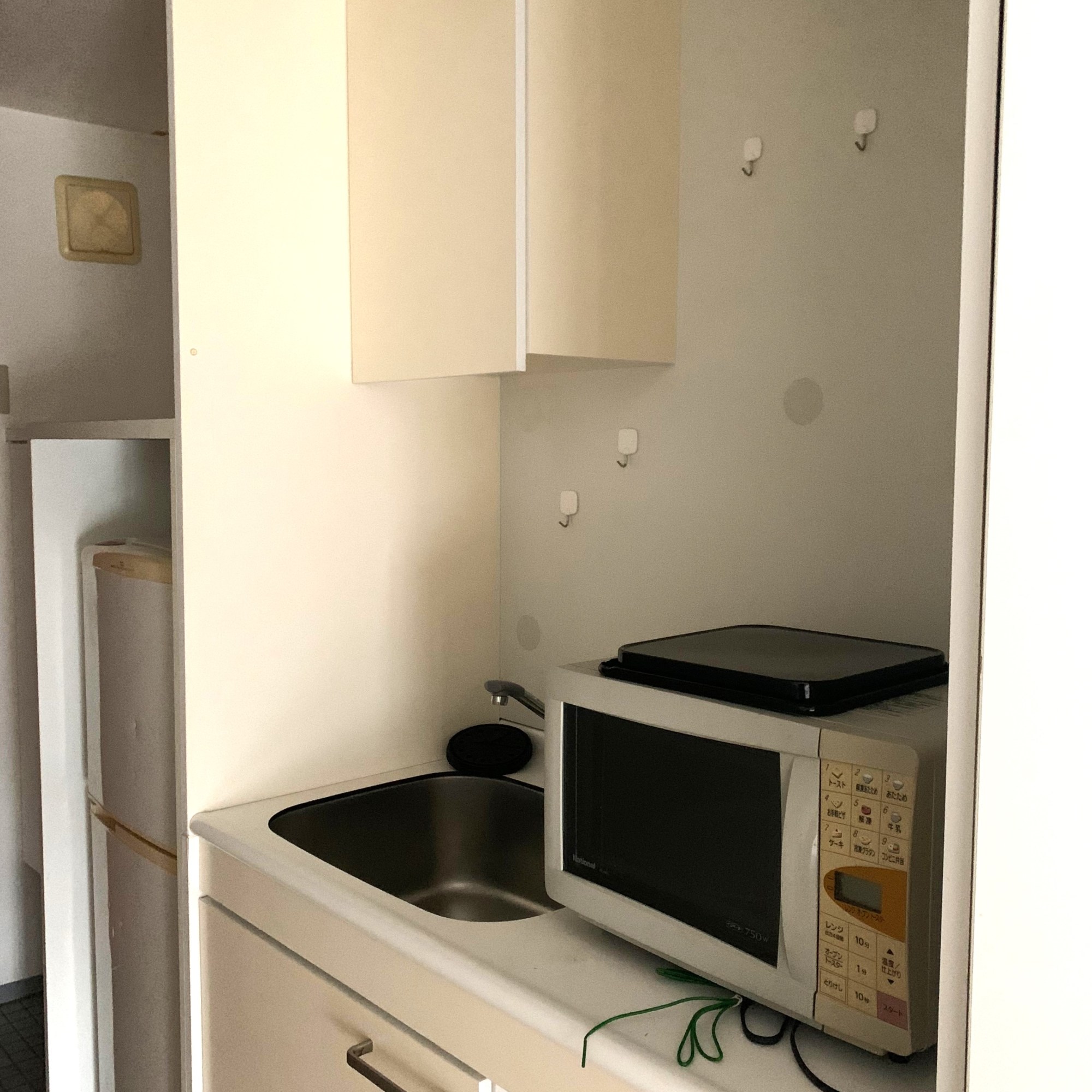
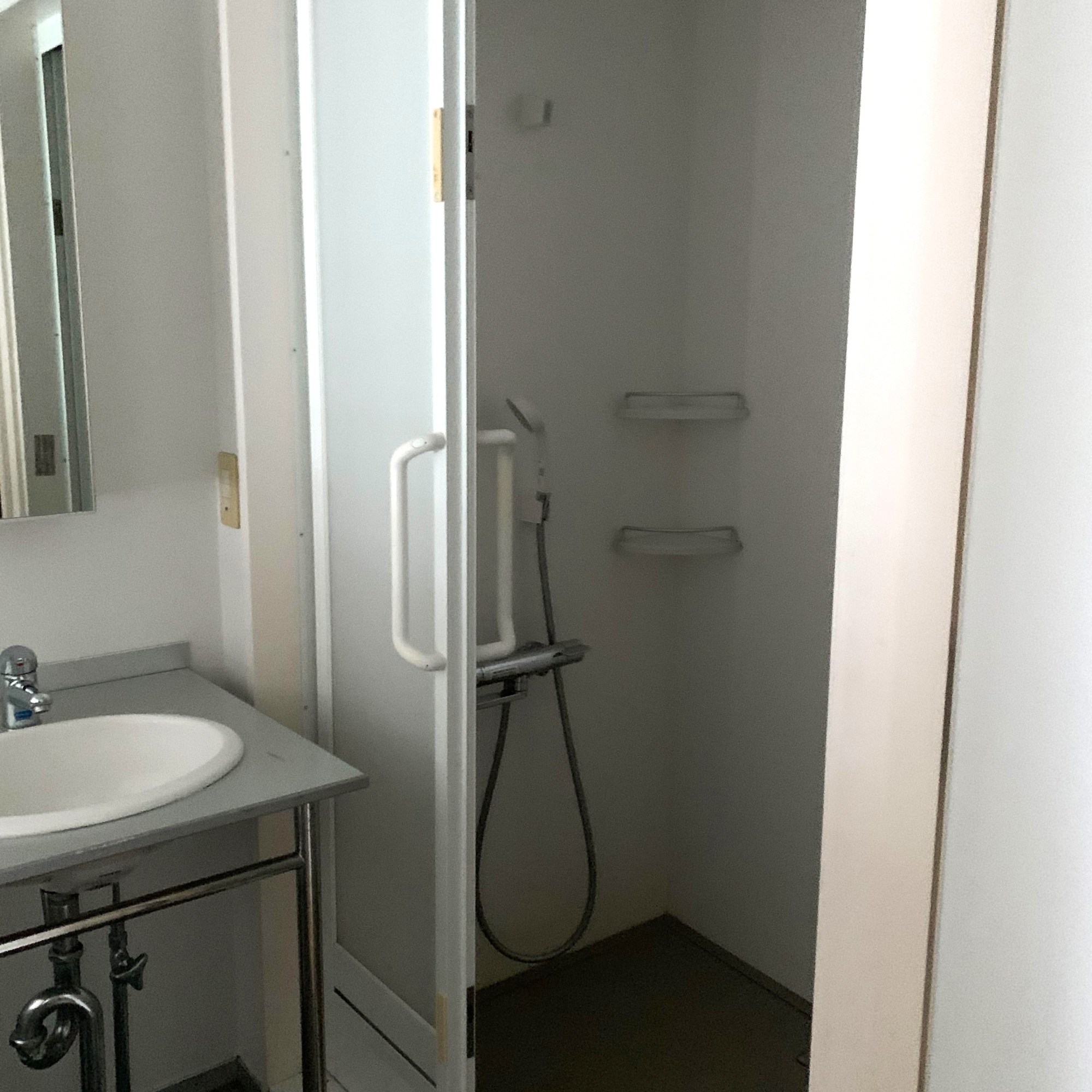
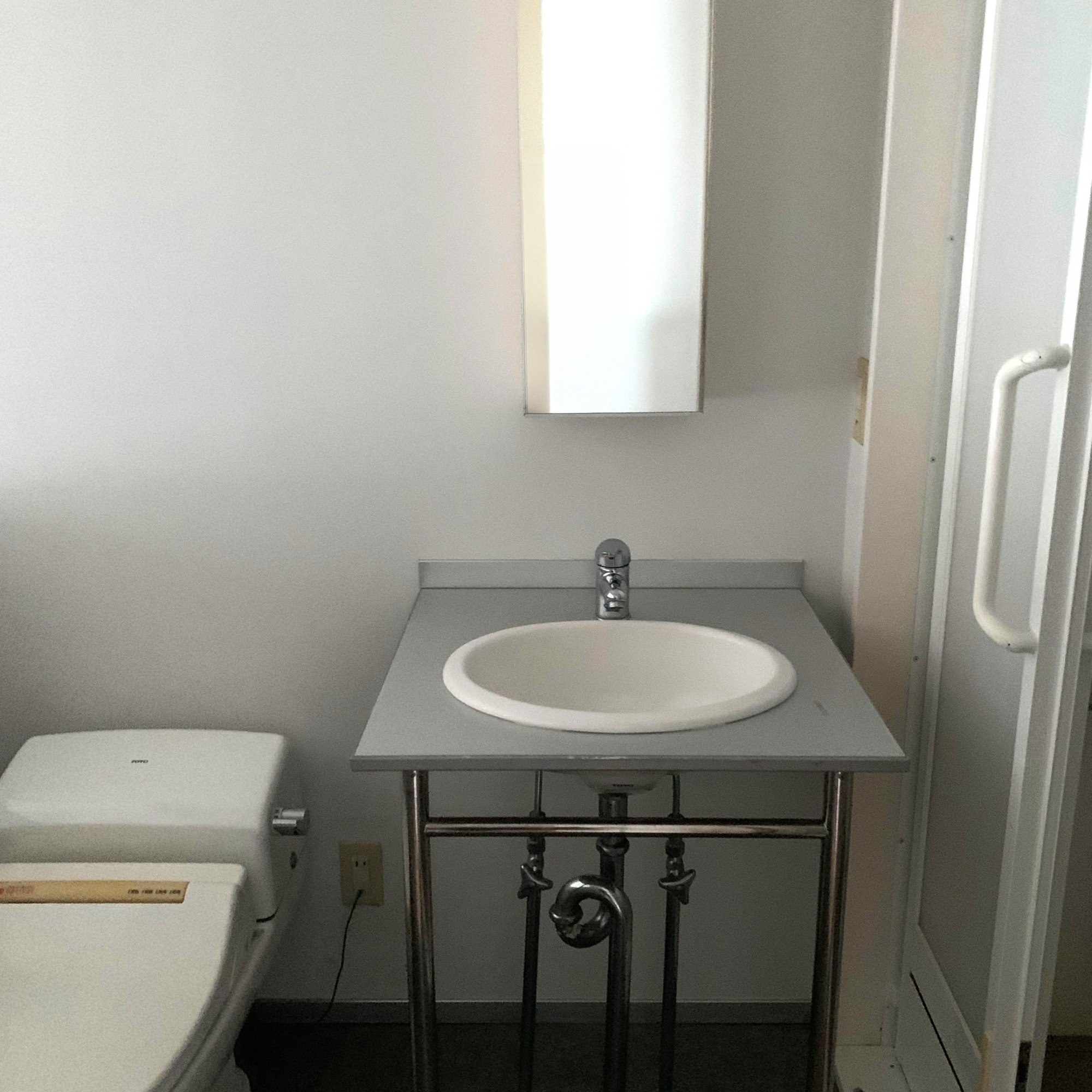
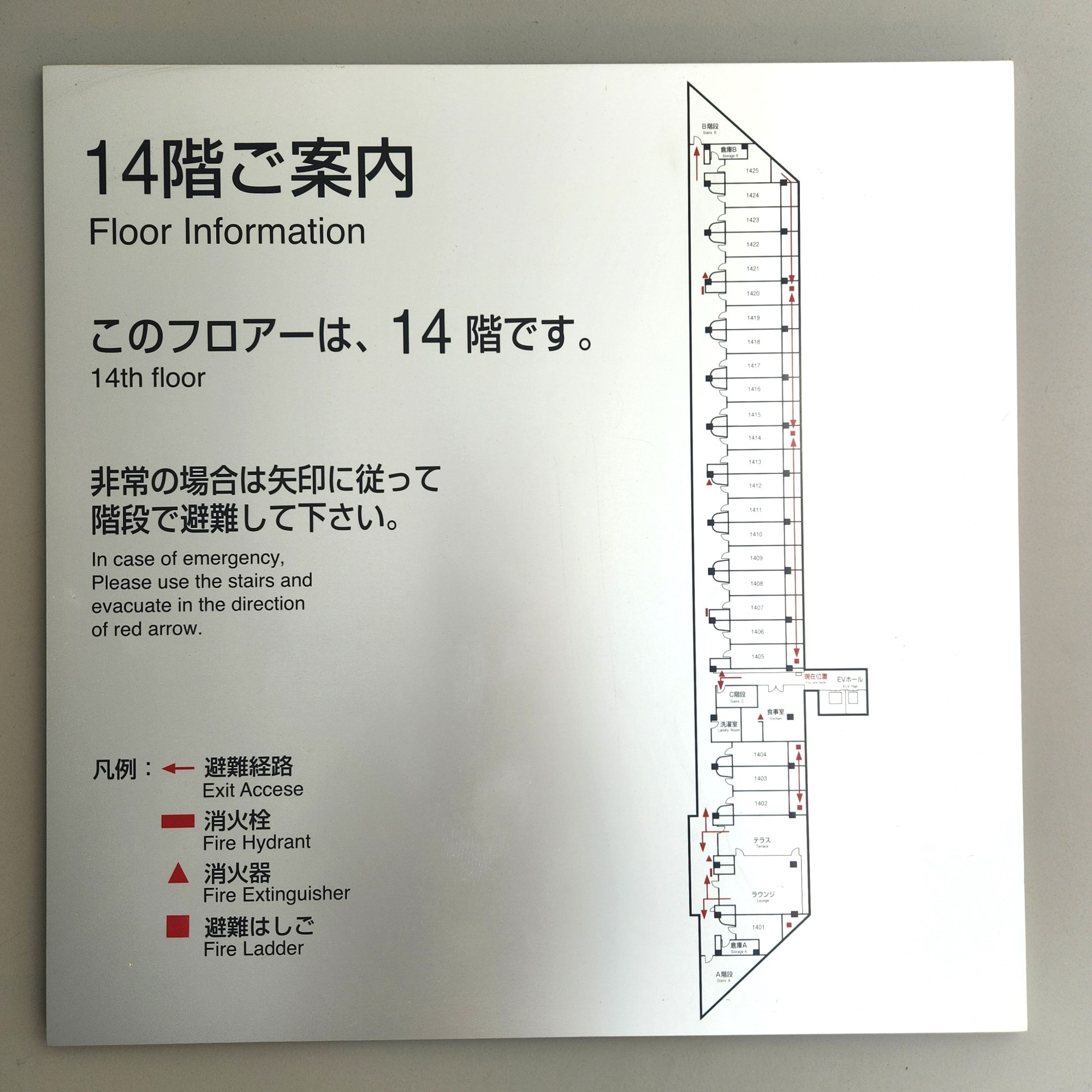
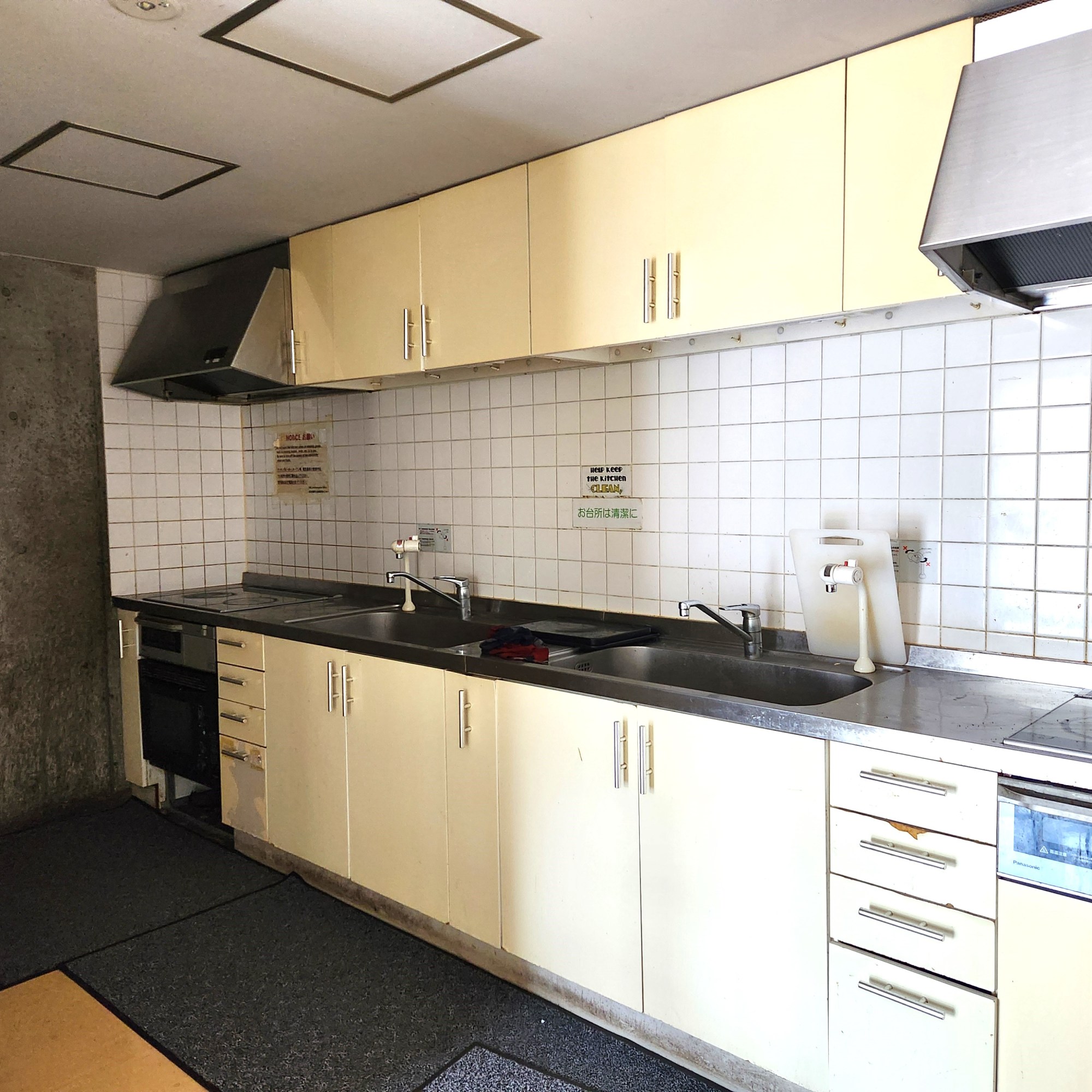
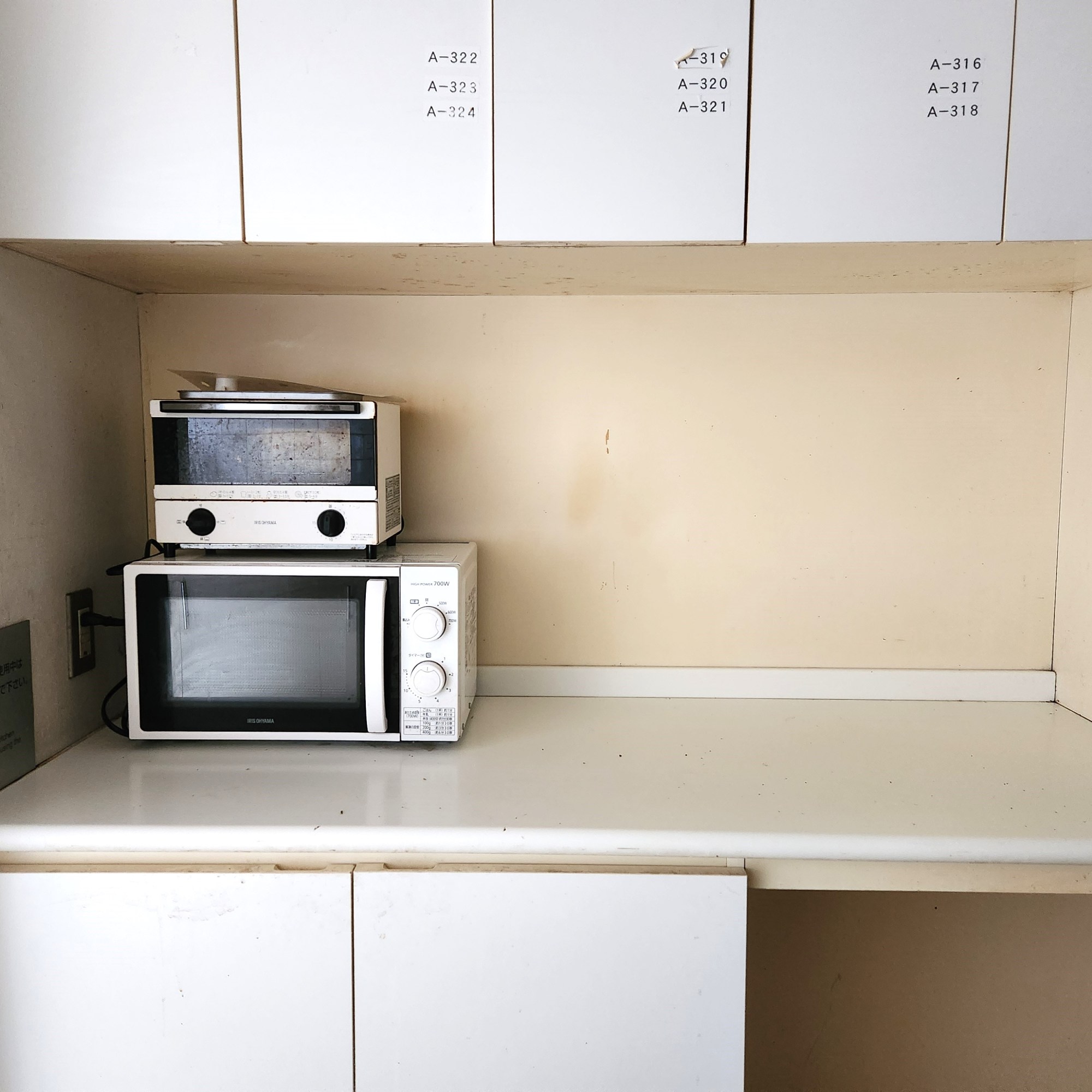
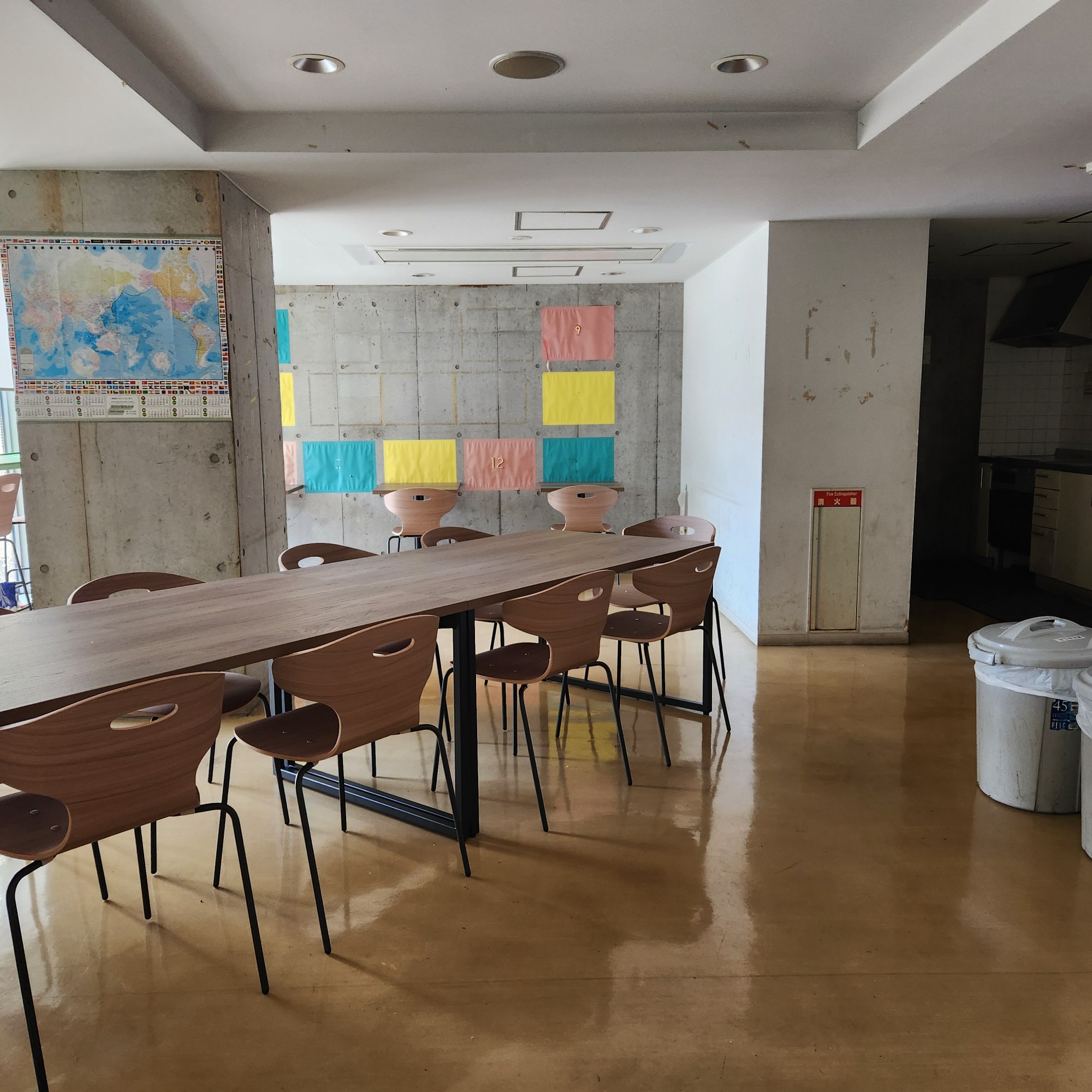
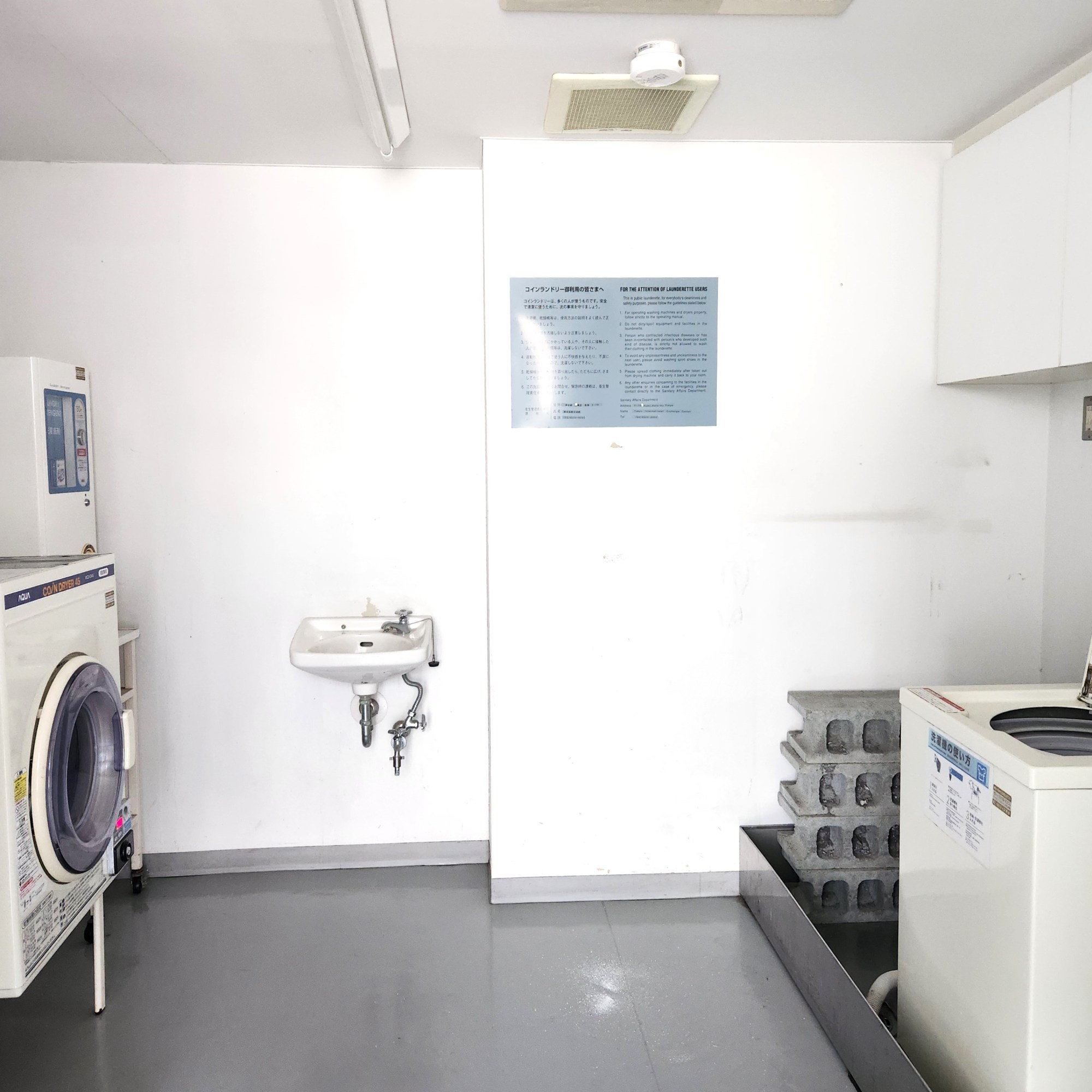
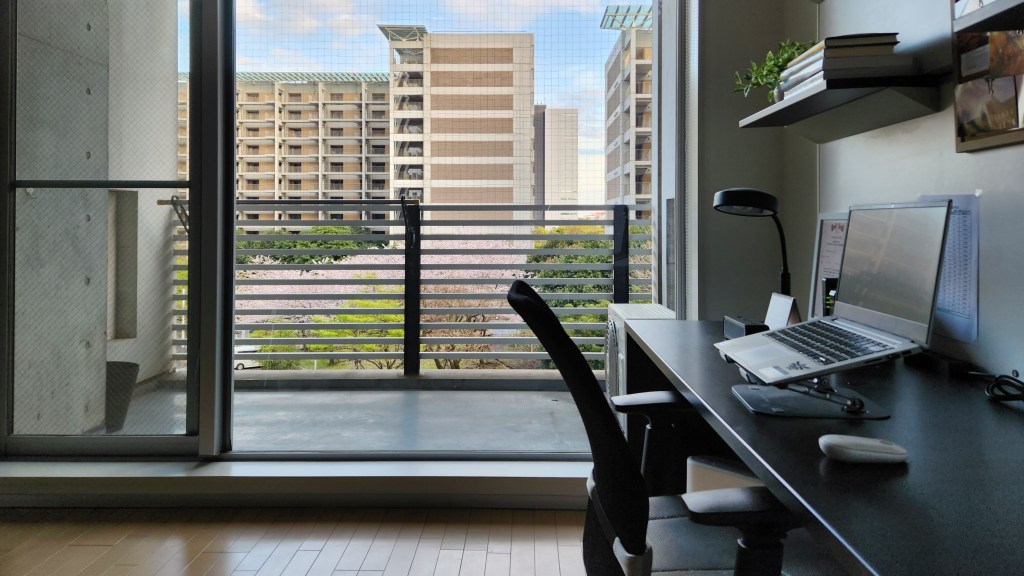
This hall is ideal for single occupants who prioritize low rental costs. The studio-type units do not come with a cooking stove and washing machine, so residents must use the shared kitchen and laundry area found on each floor.
Hall A units are furnished with a shower, toilet, washstand, air-conditioner, refrigerator, bed/mattress, study desk, chair, bookshelf, storage cabinets, and intercom system.
Hall B
| Occupant type | Single |
| Room type | 1R |
| Floor area | 30 m2 |
| Number of floors | 14 floors |
| Number of room units | 300 units |
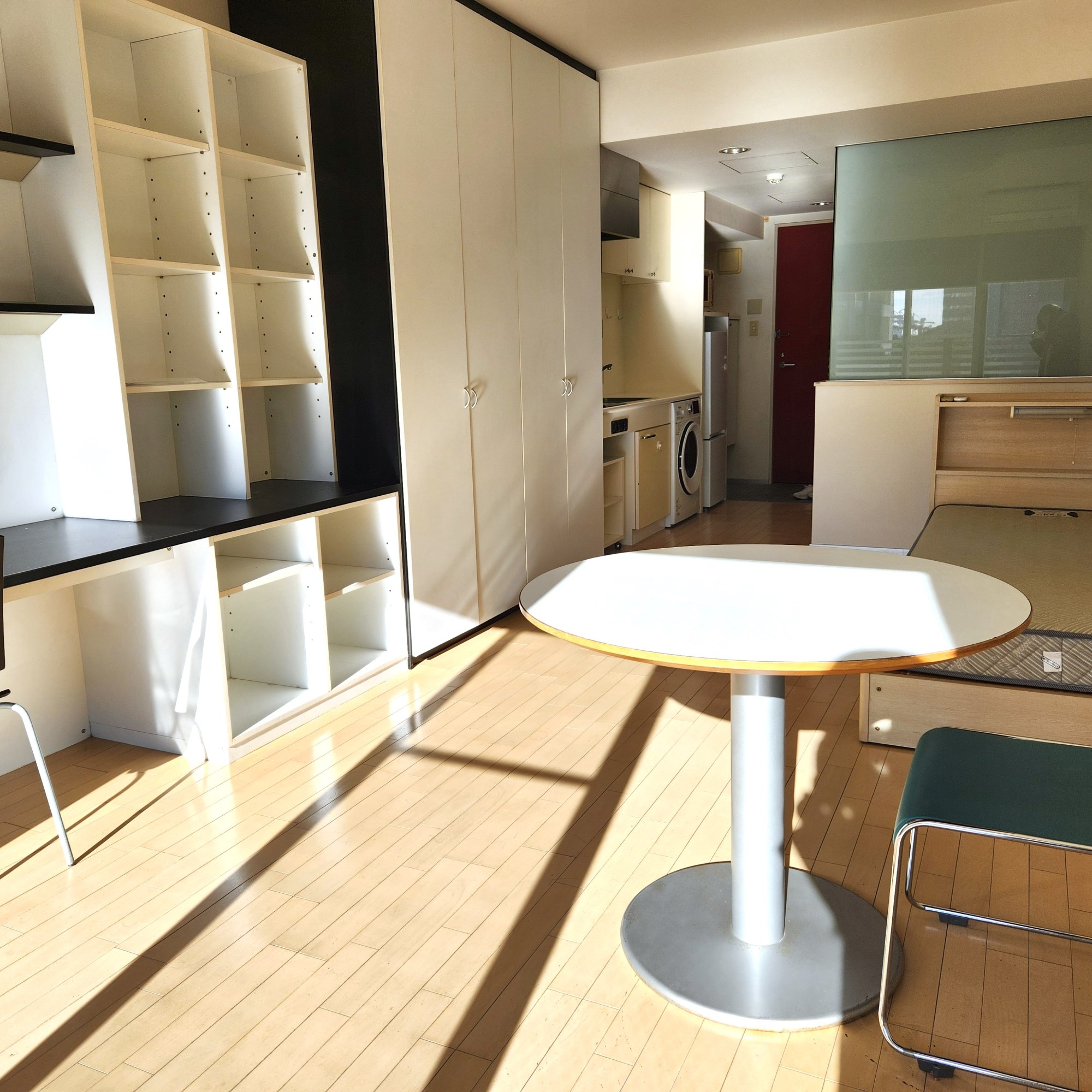
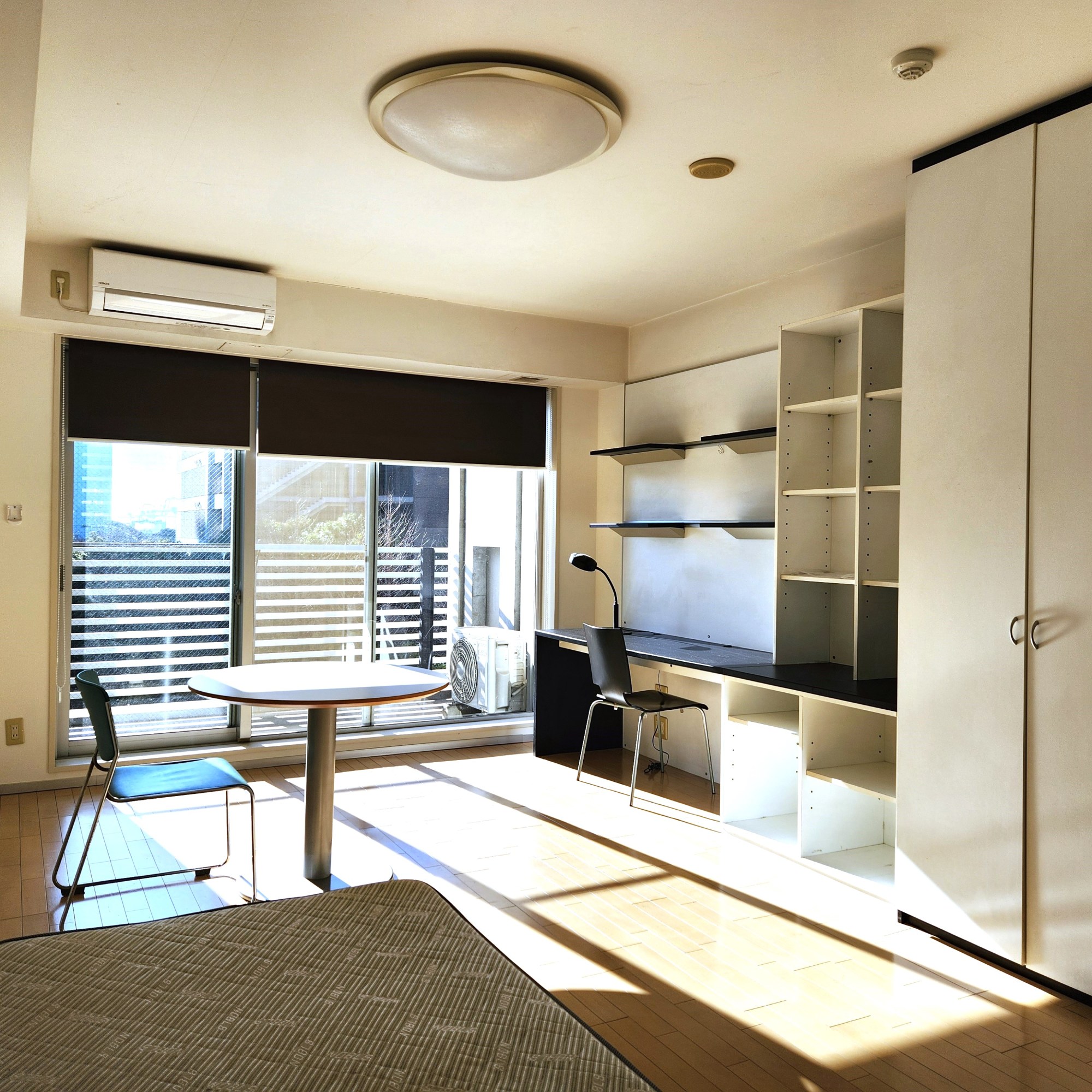
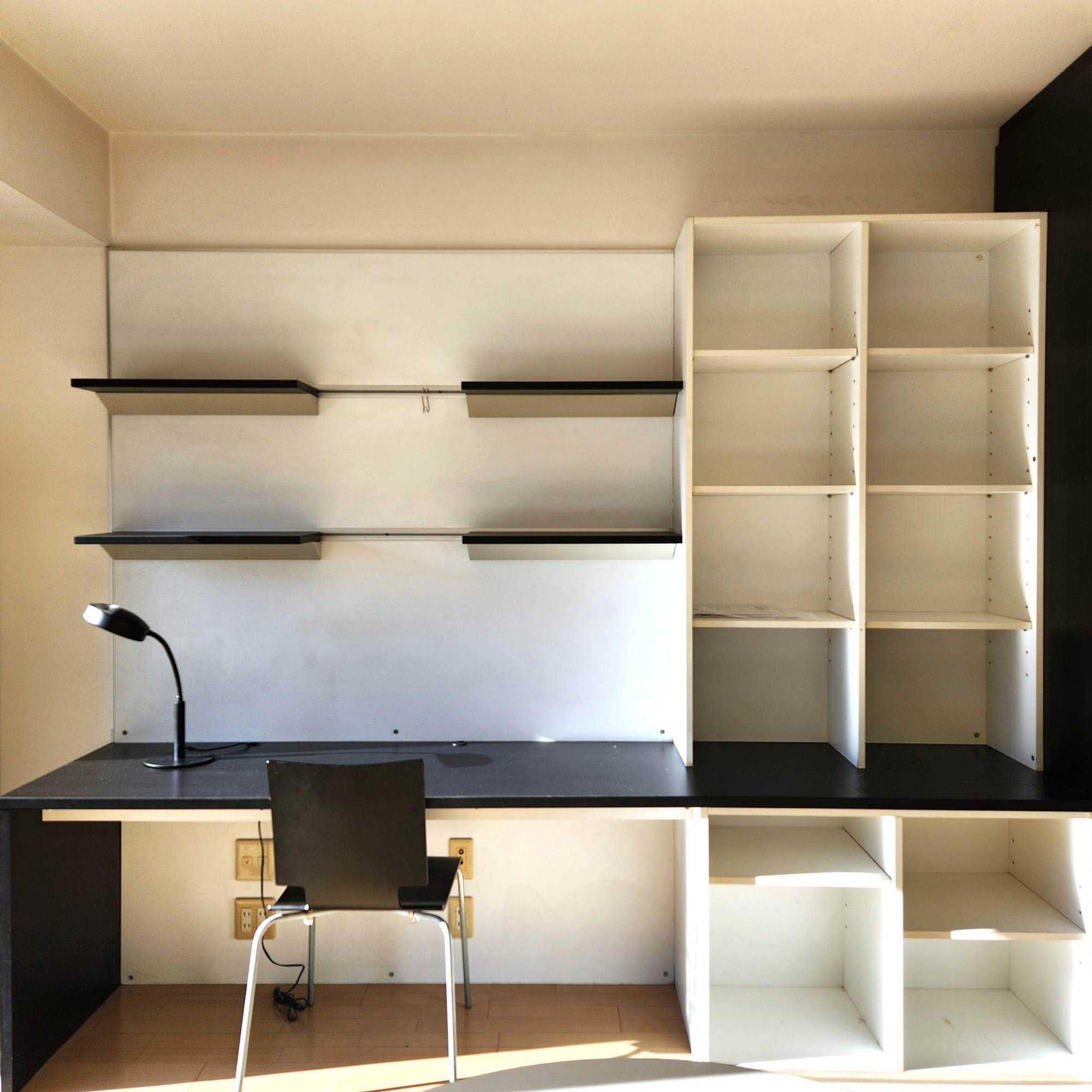
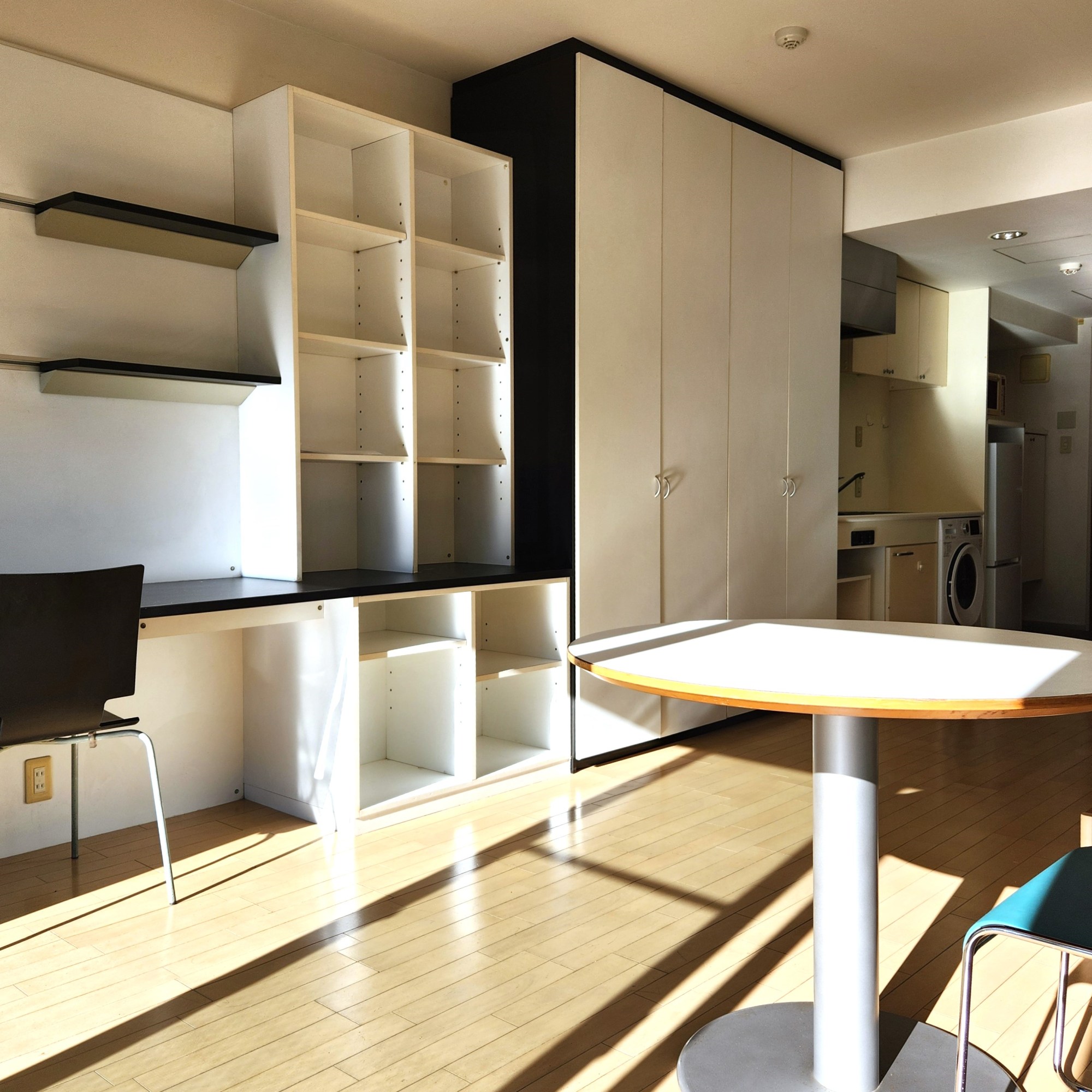
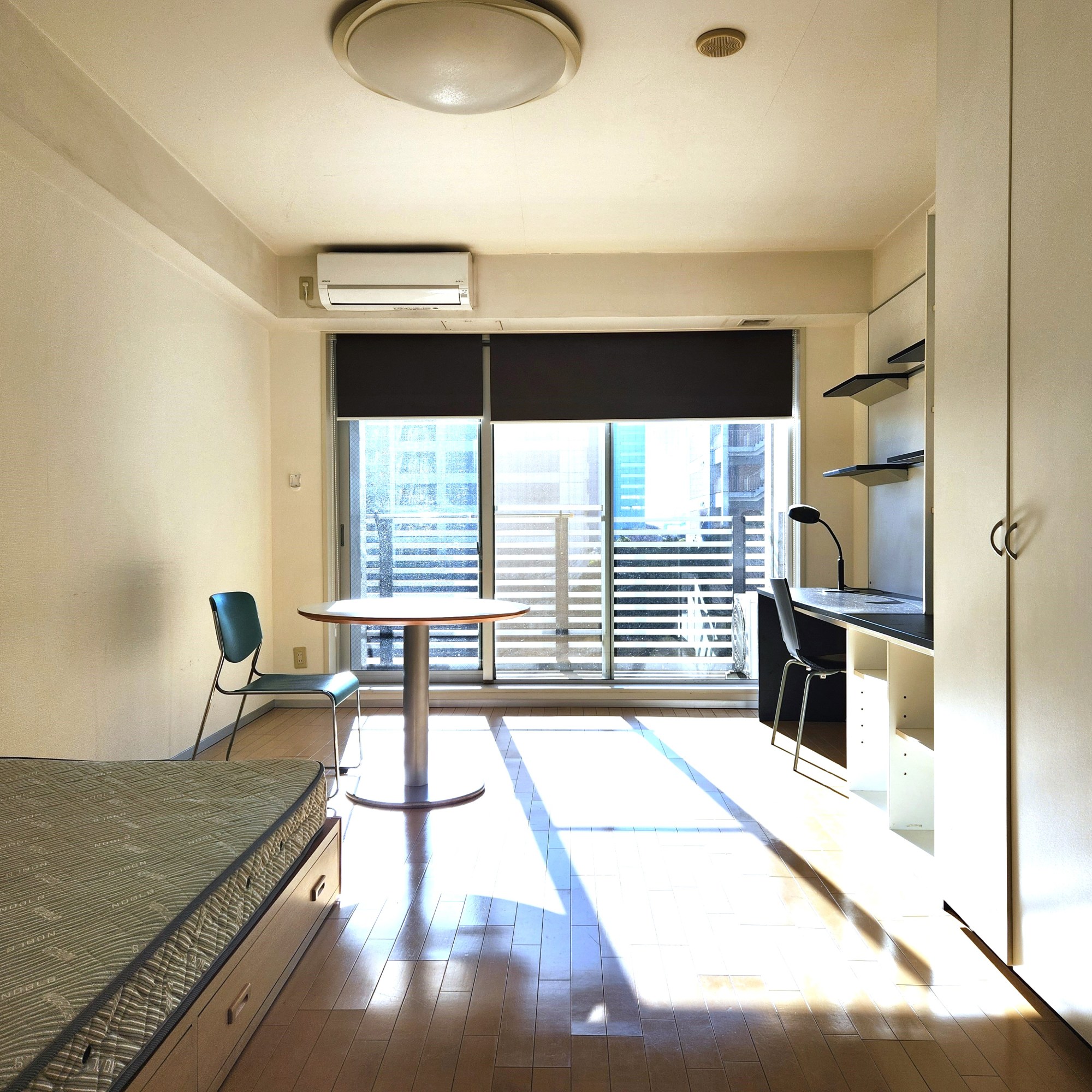
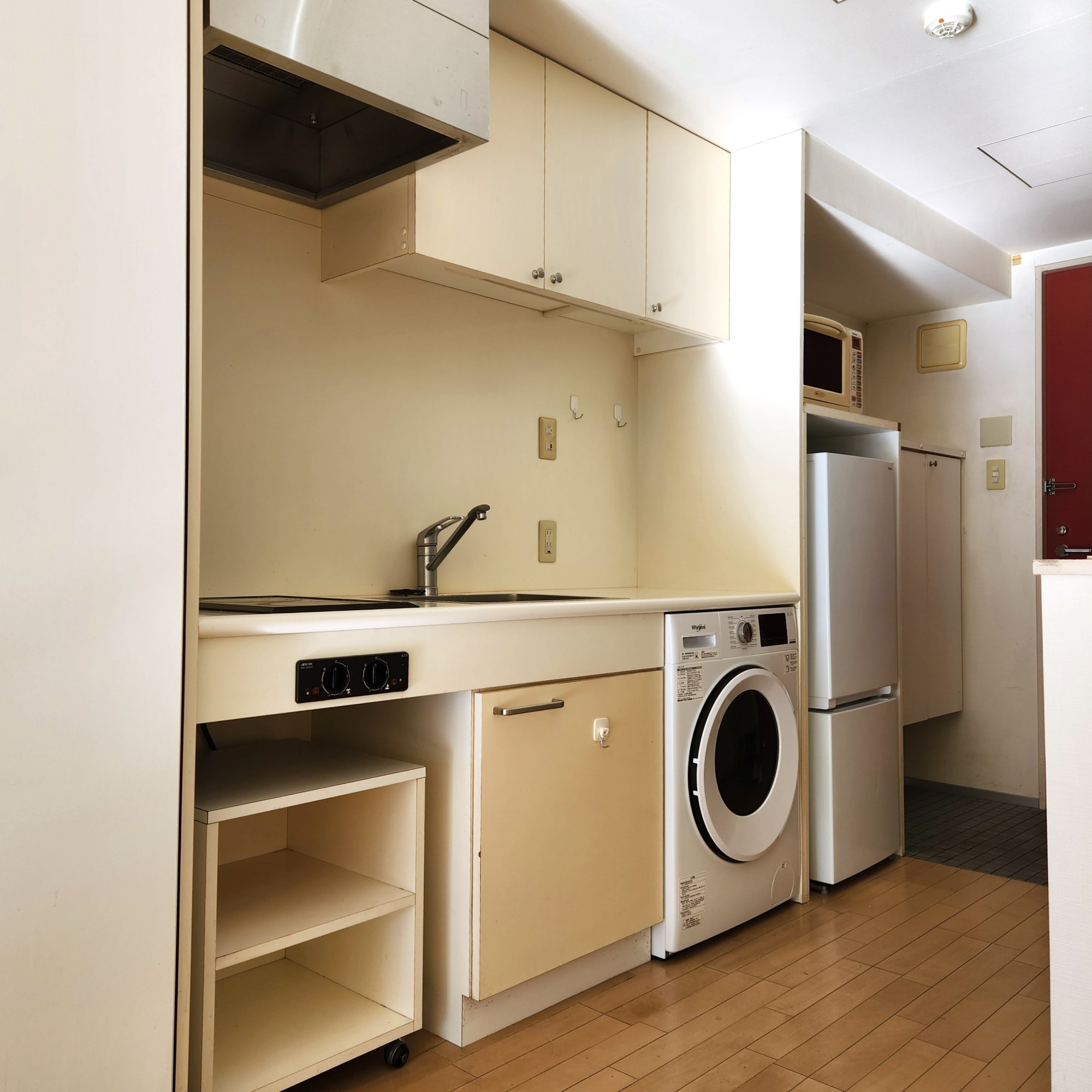
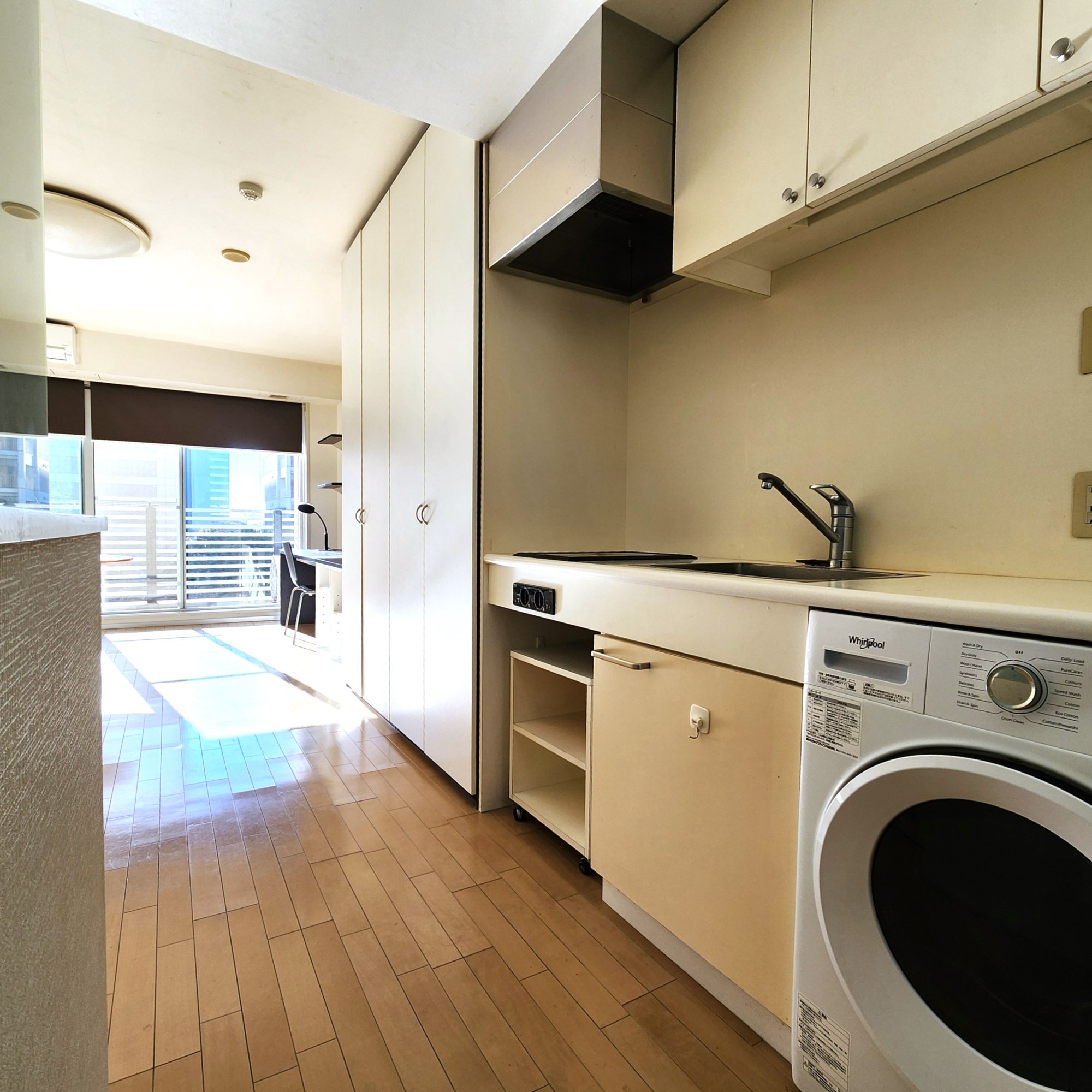
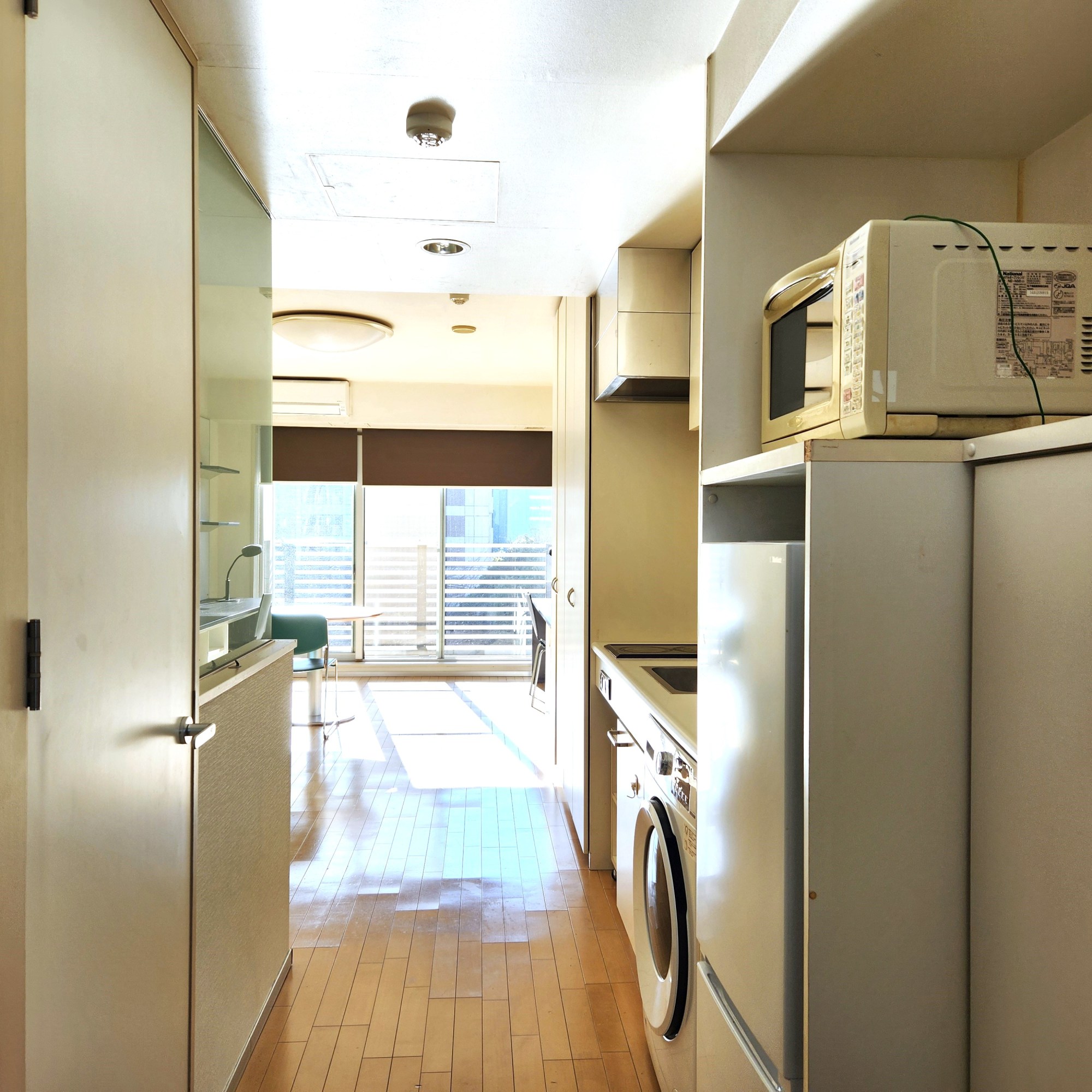

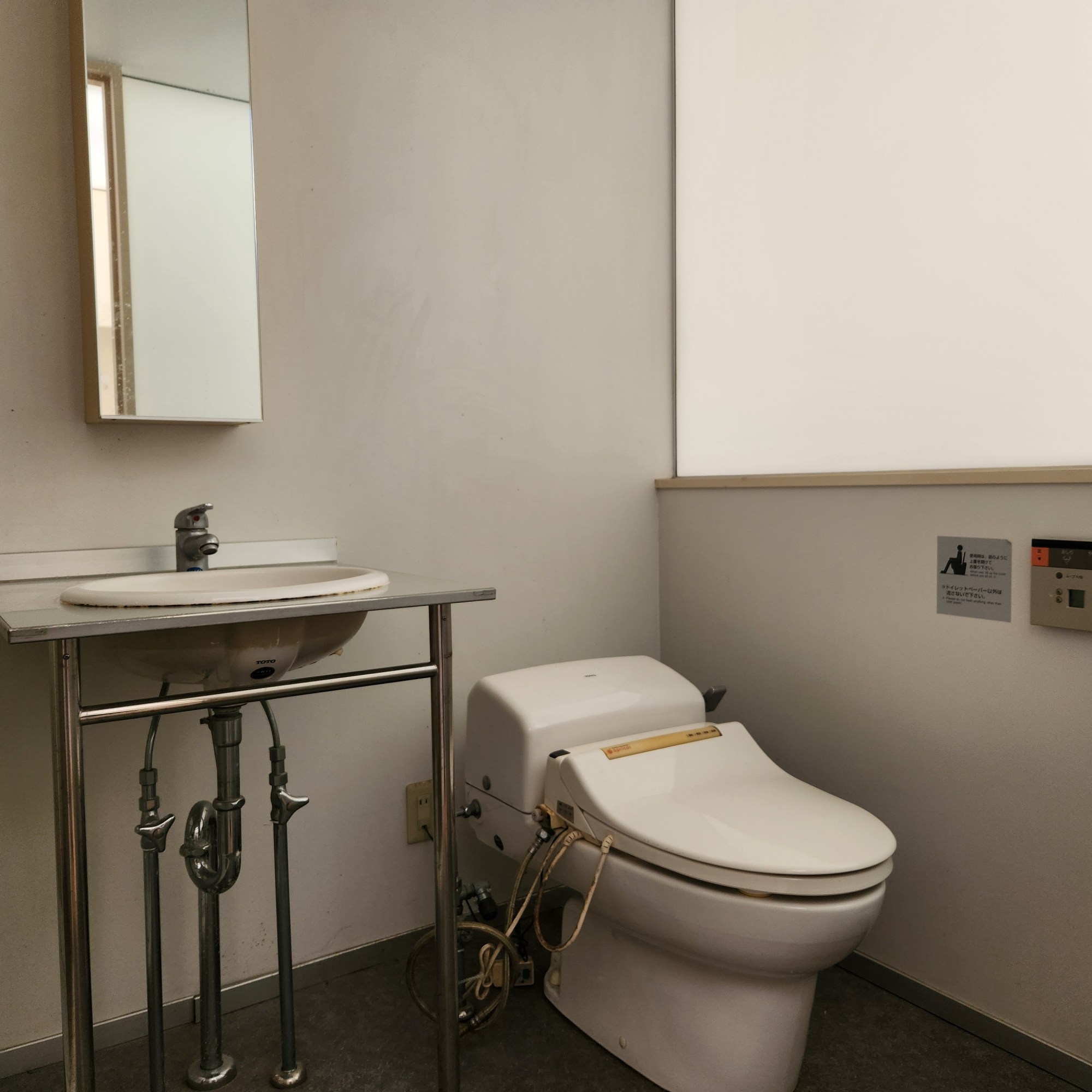
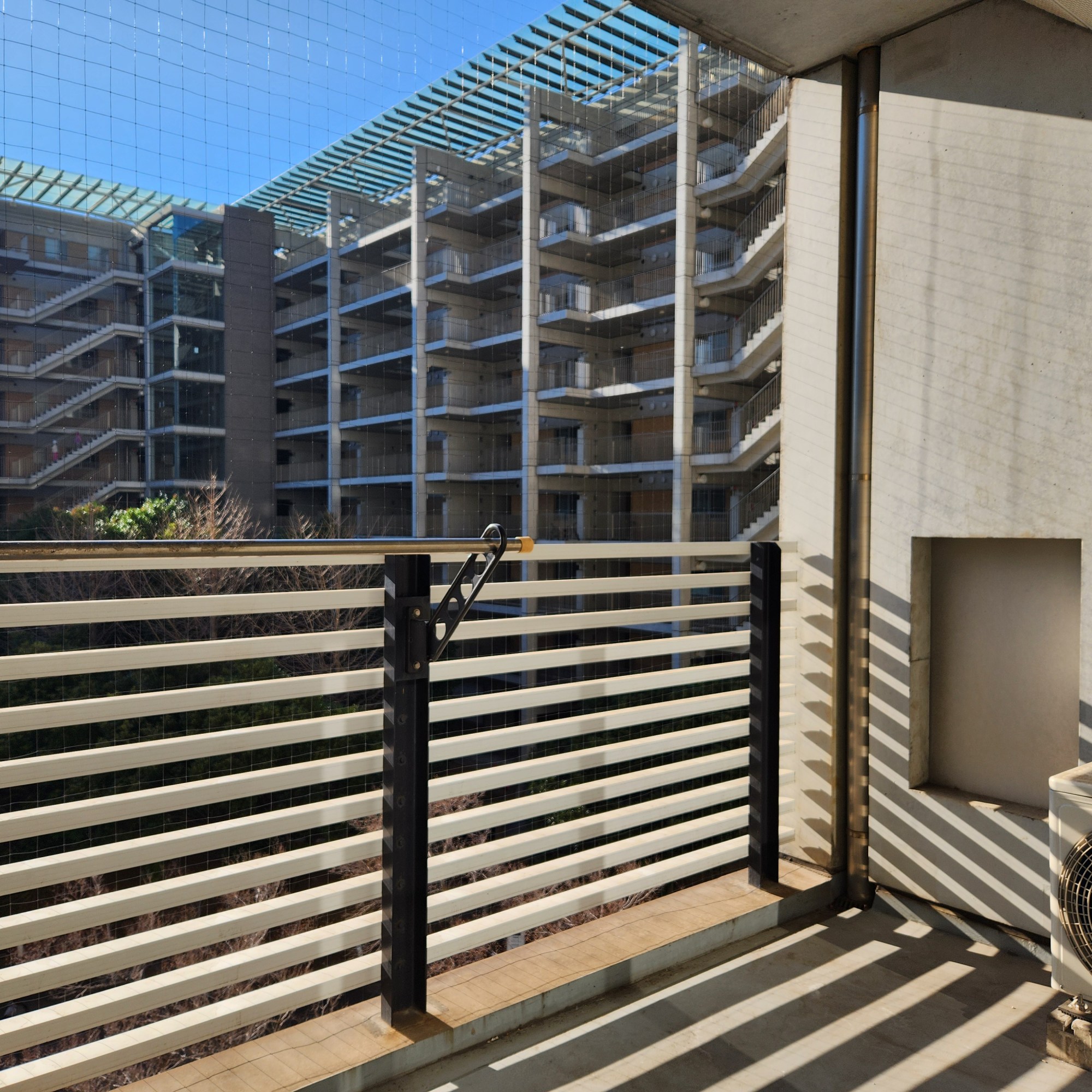
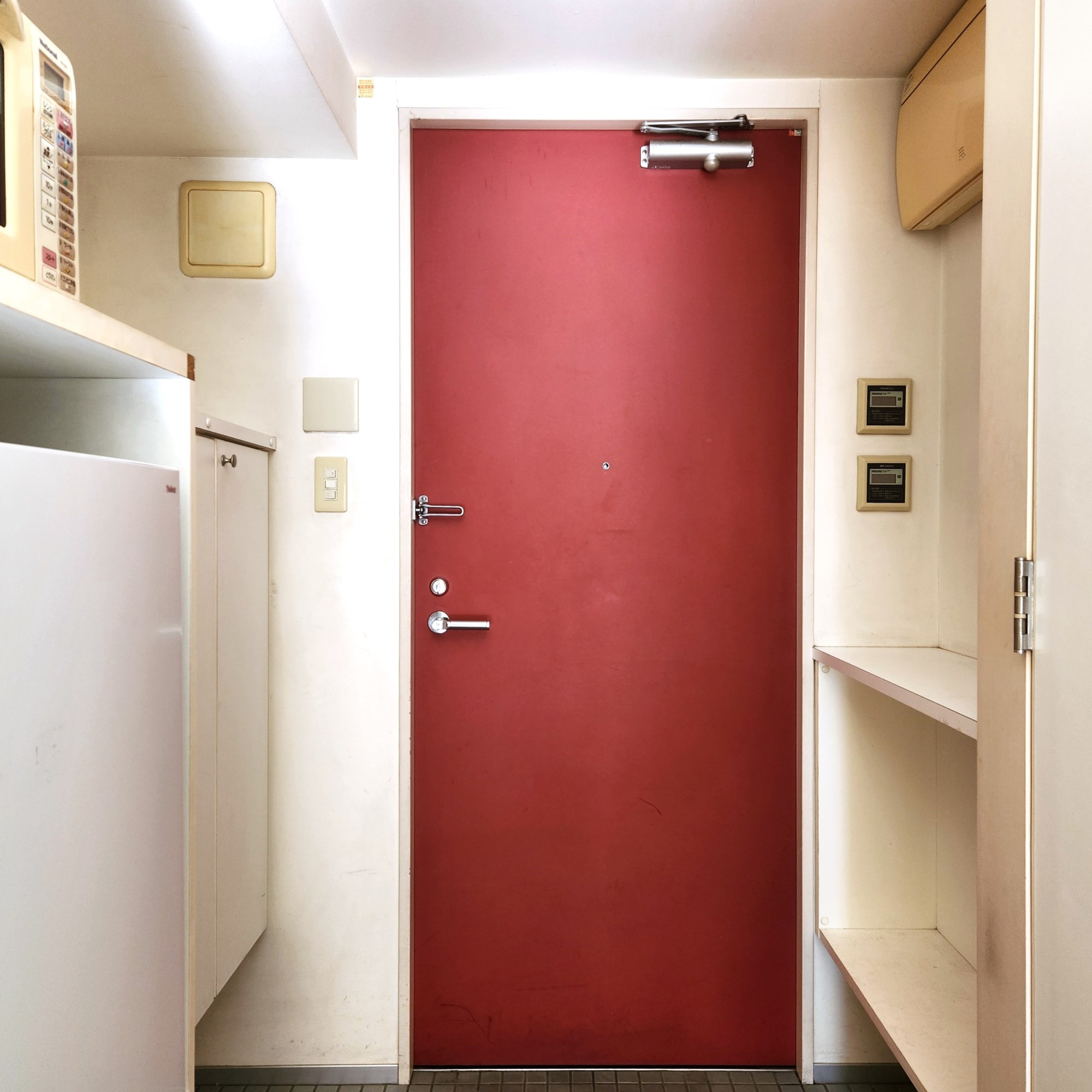
This hall is ideal for single occupants who prefer to have their own private space. Unlike those in Hall A, the studio-type units here have a cooking stove and washing machine installed in the kitchen area, as well as a small space for a dining table and chair, thus the bigger floor space.
Hall B units are furnished with a kitchen (RH heater), refrigerator, microwave, shower, toilet, washstand, air-conditioner, washing machine, bed/mattress, study desk, dining table, chairs (2), bookshelf, storage cabinets, and intercom system.
Hall C
| Occupant type | Couple |
| Room type | 2LDK |
| Floor area | 80 m2 |
| Number of floors | 11 floors |
| Number of room units | 110 units |
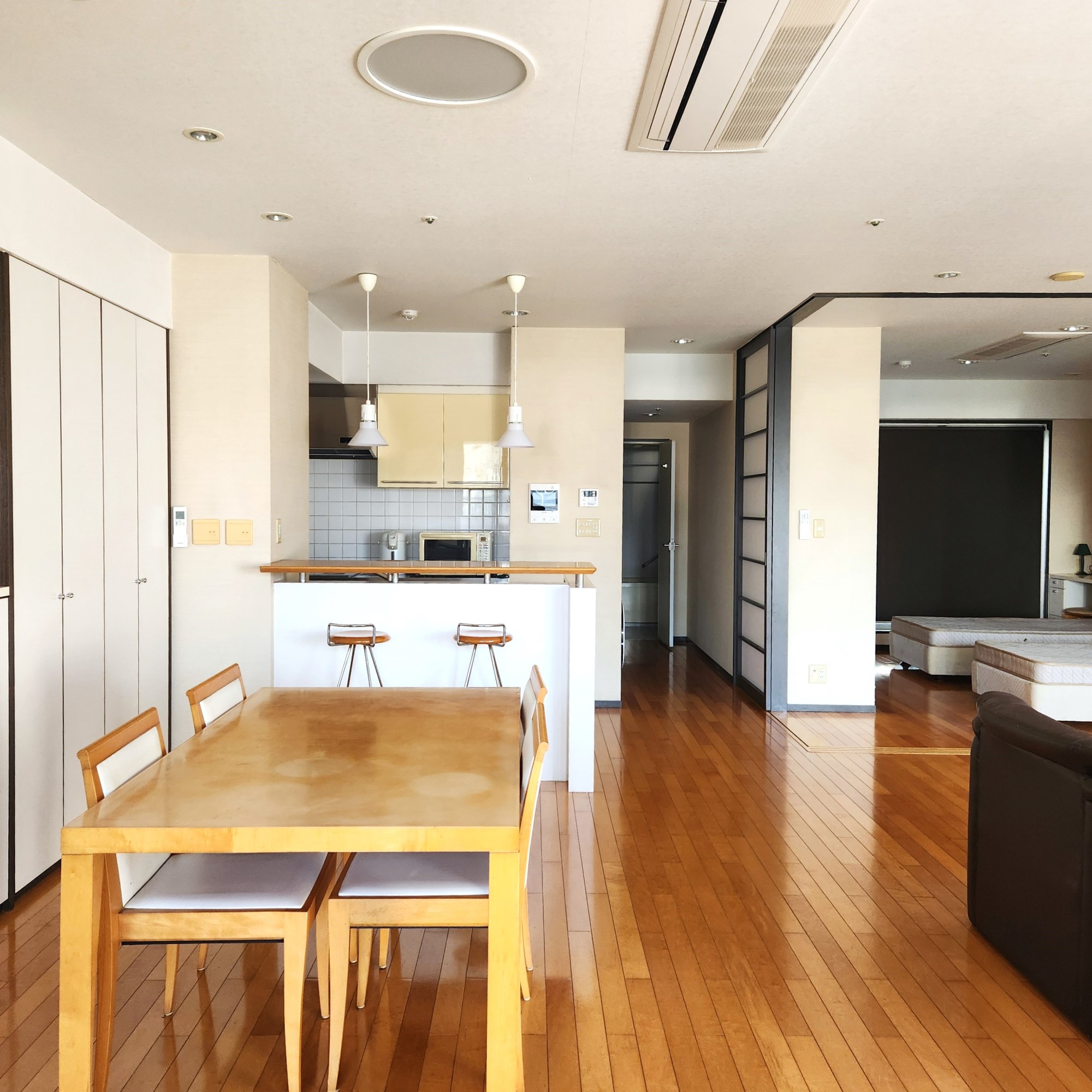
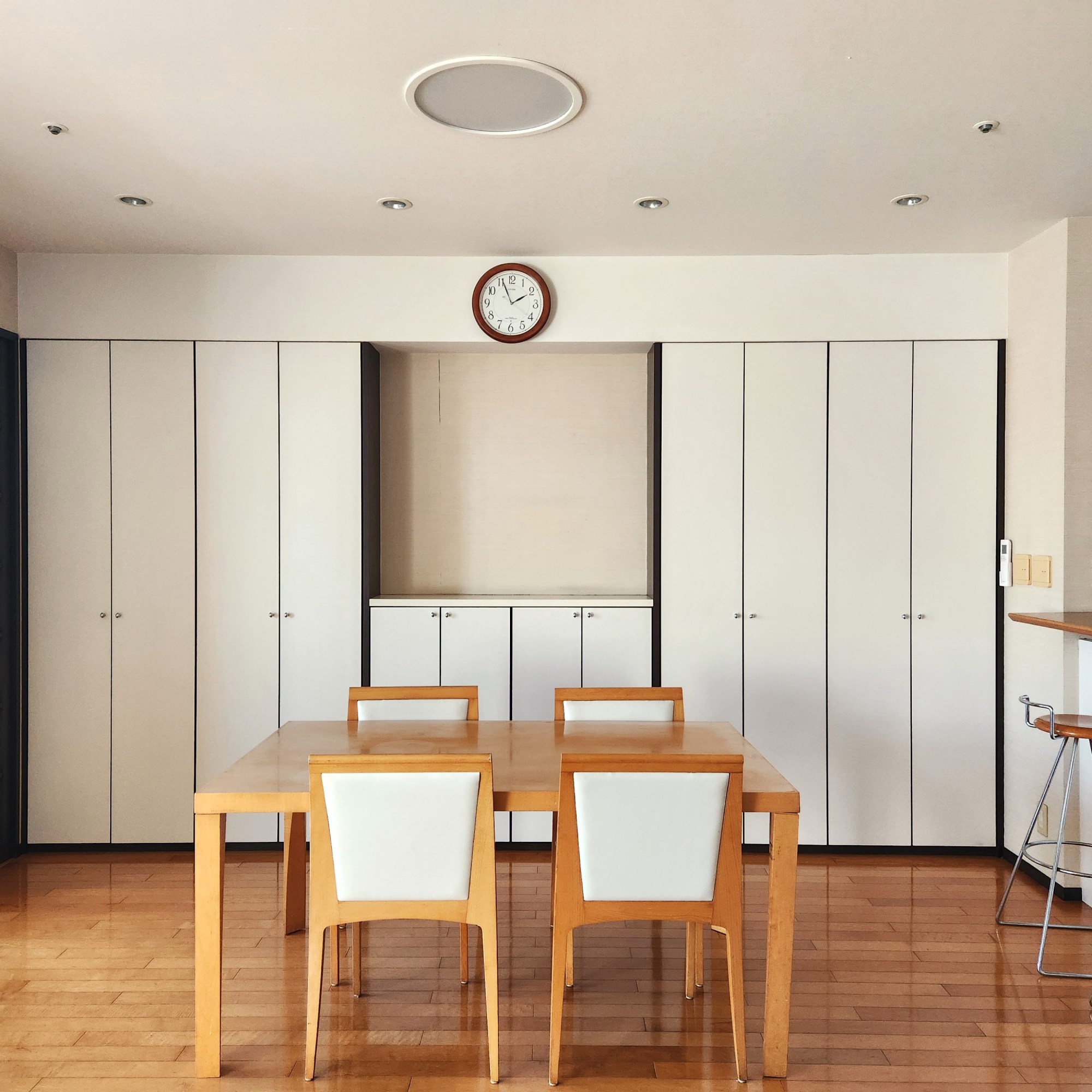
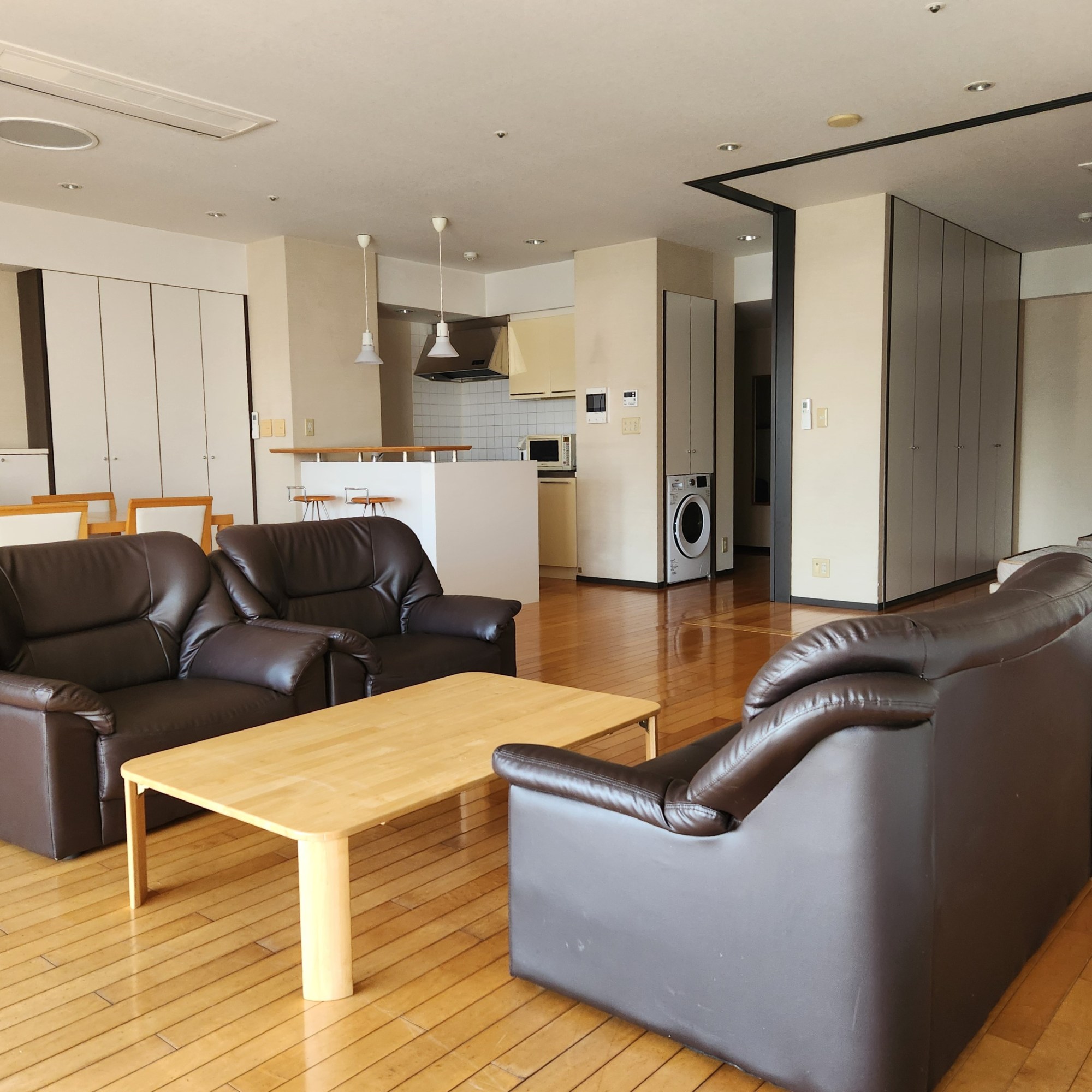
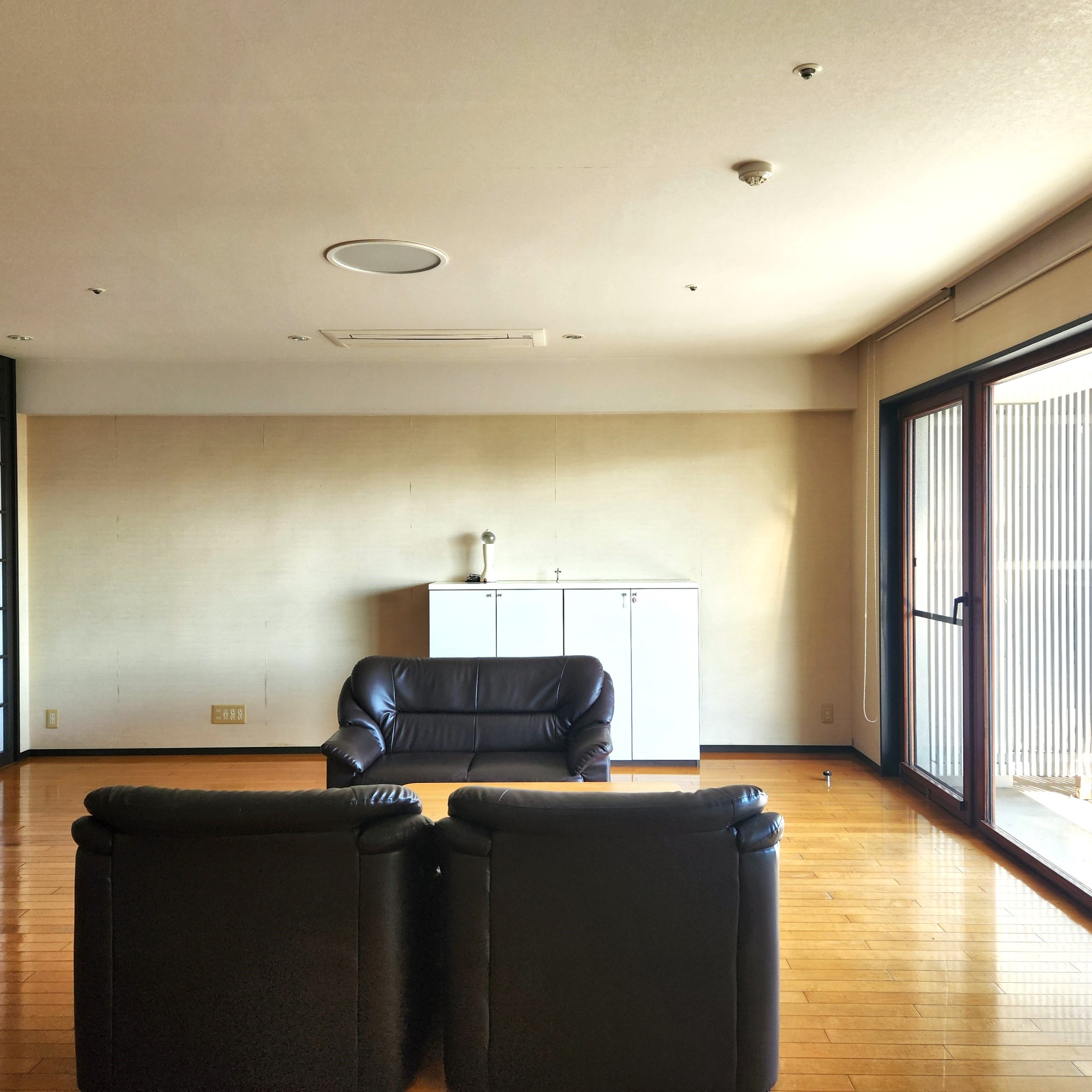
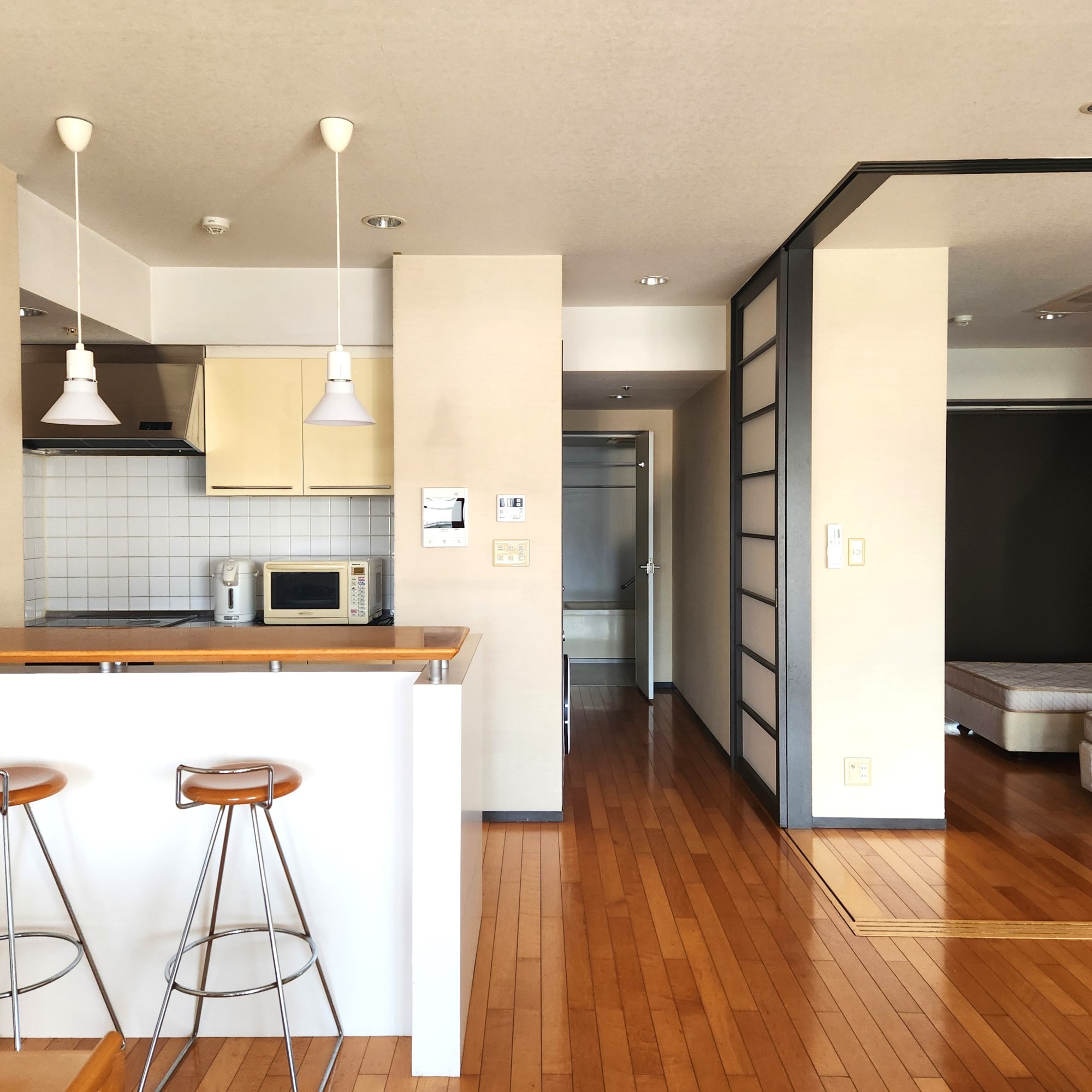
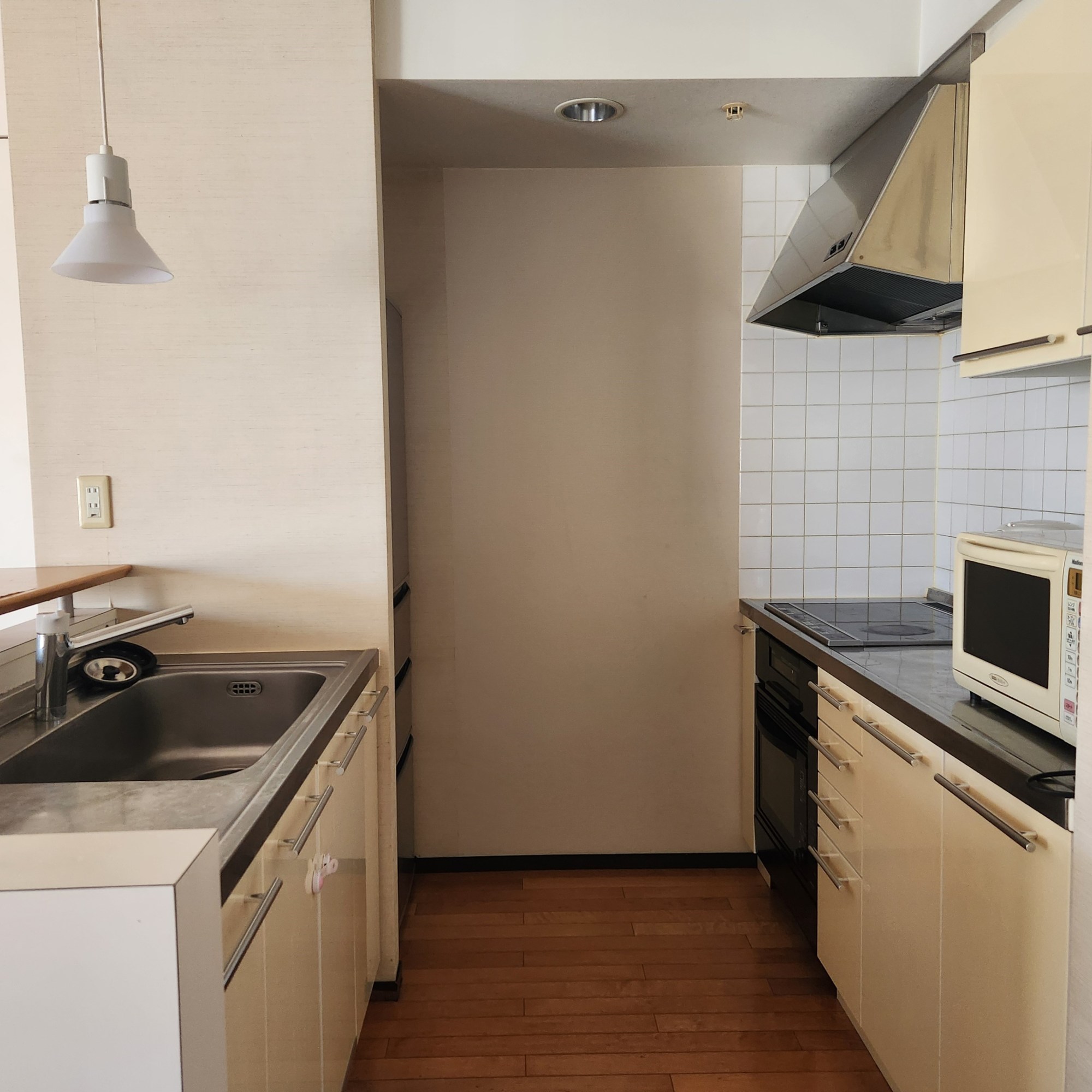
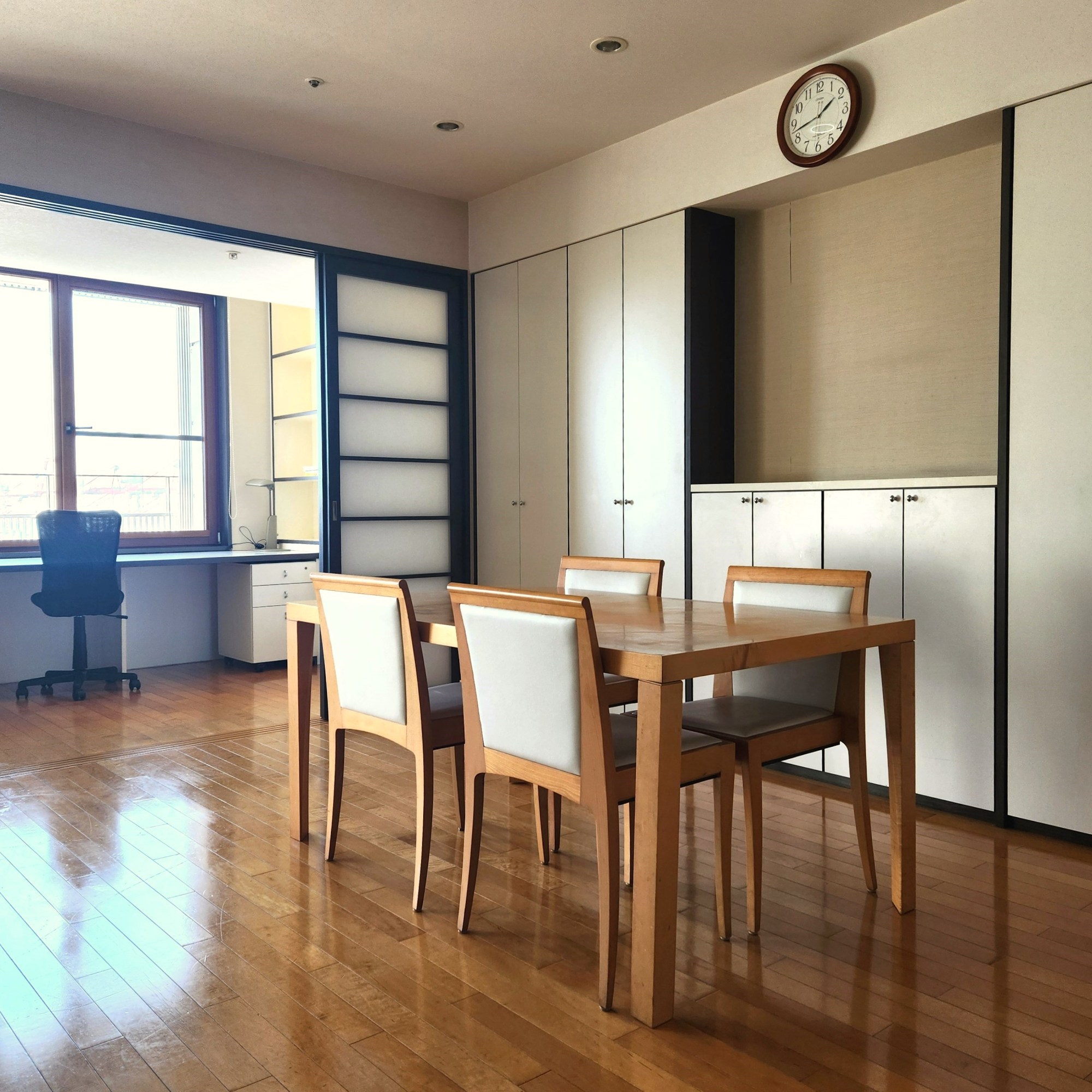
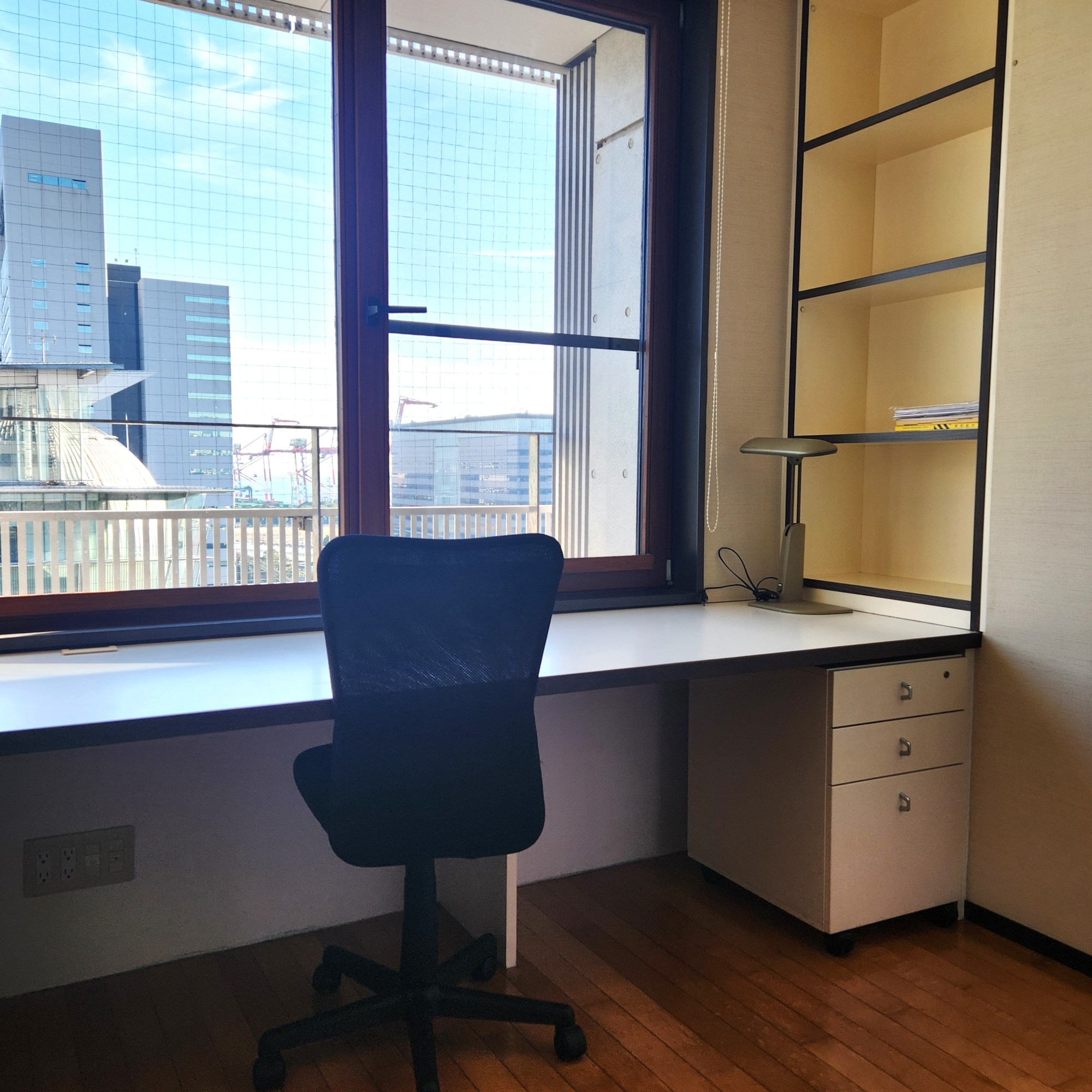
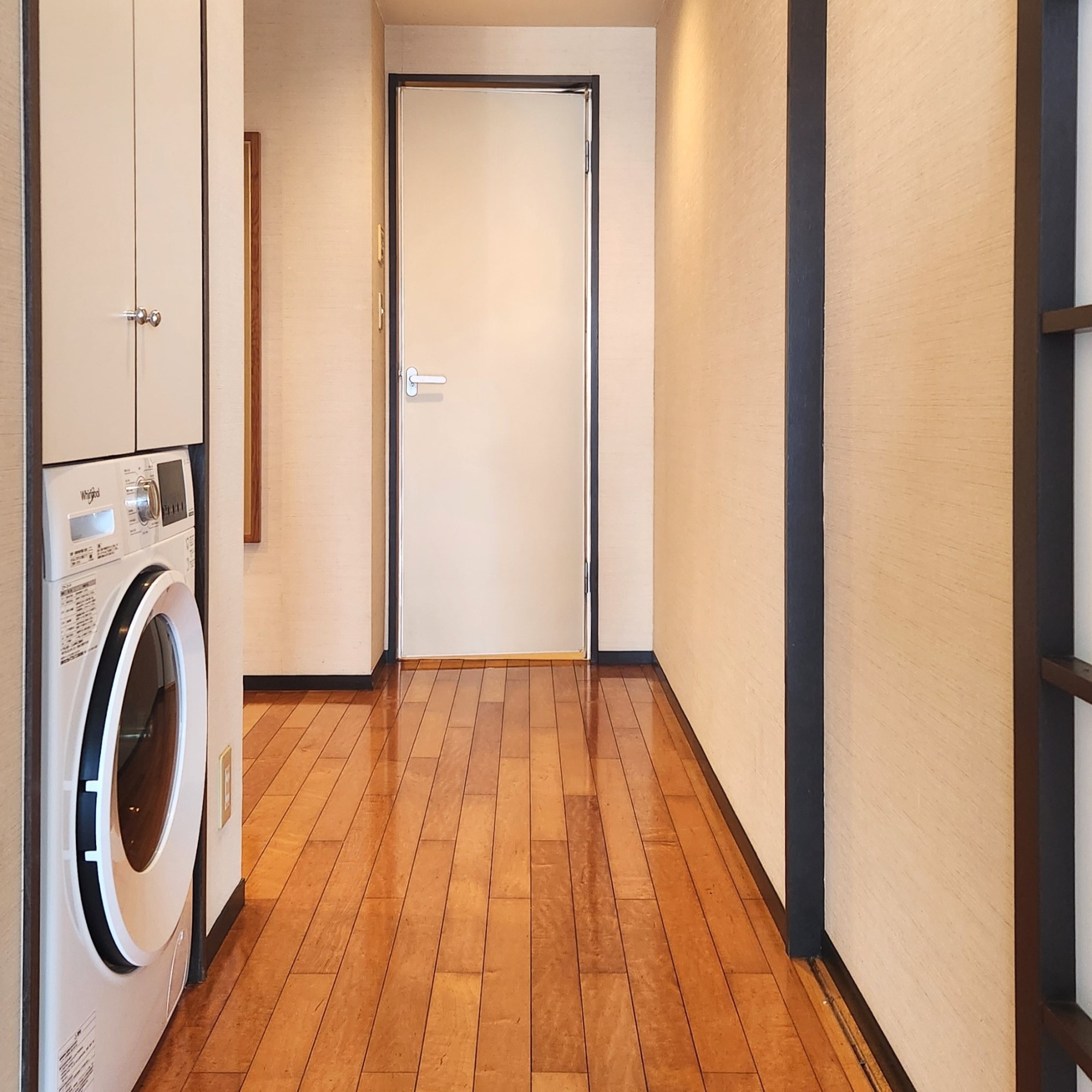
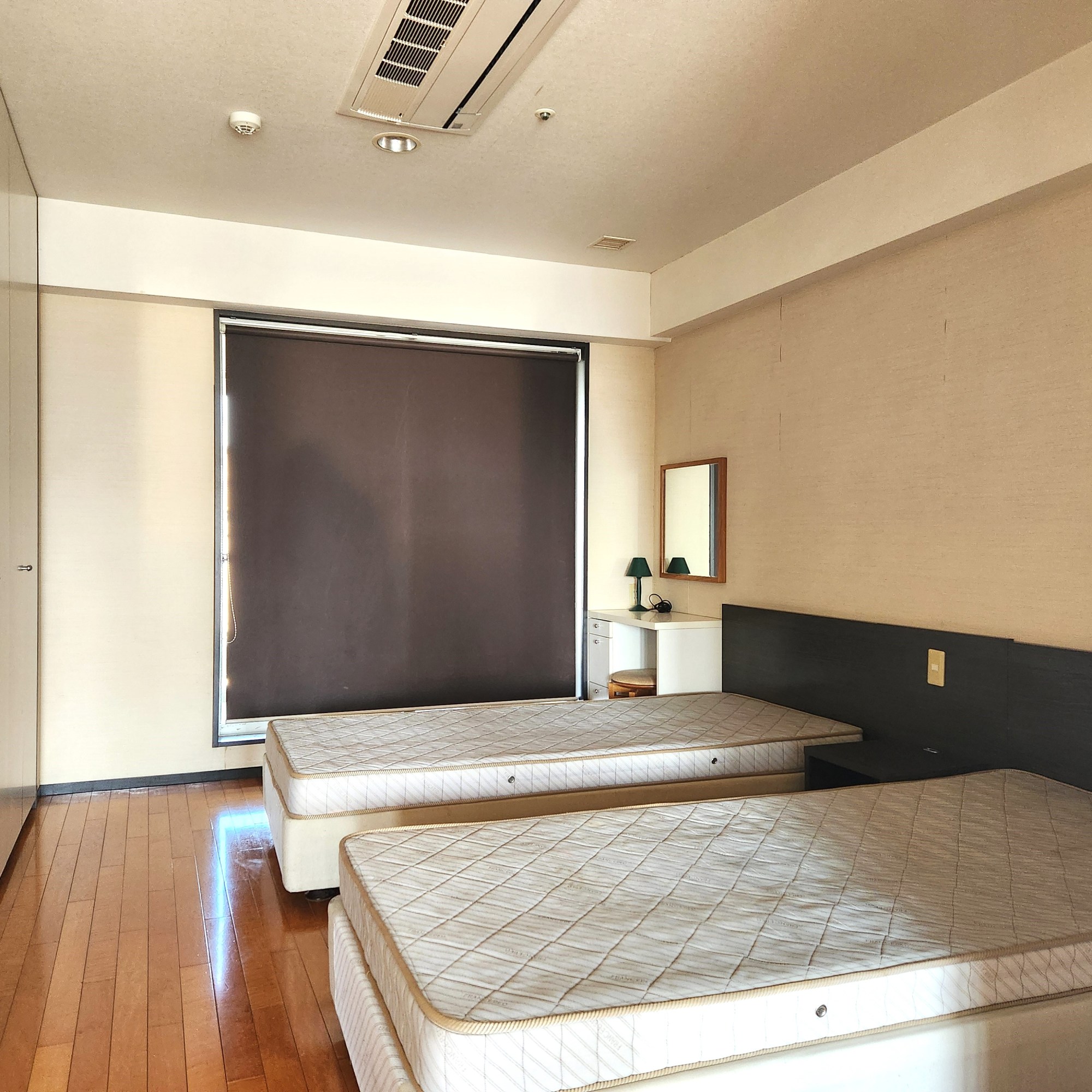
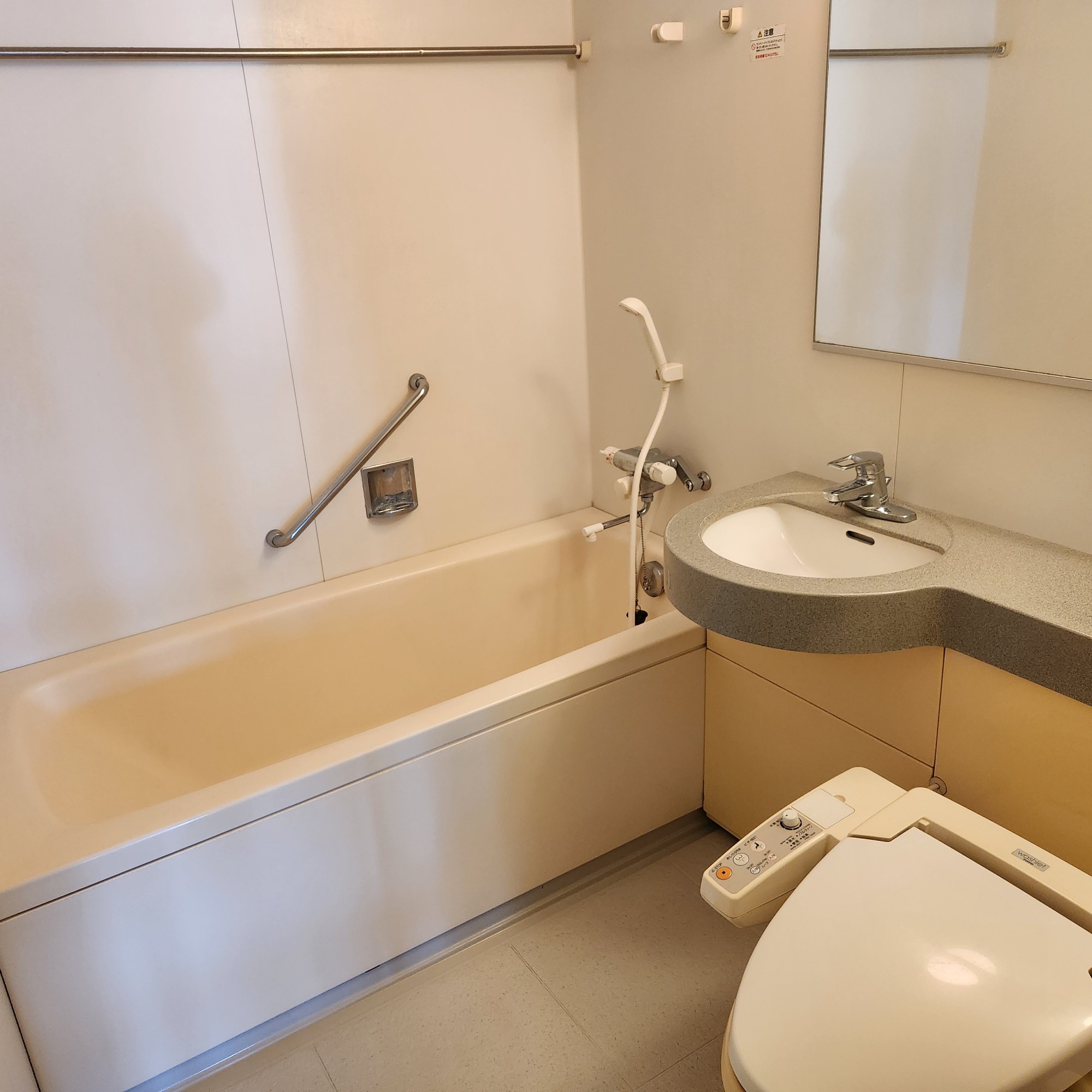
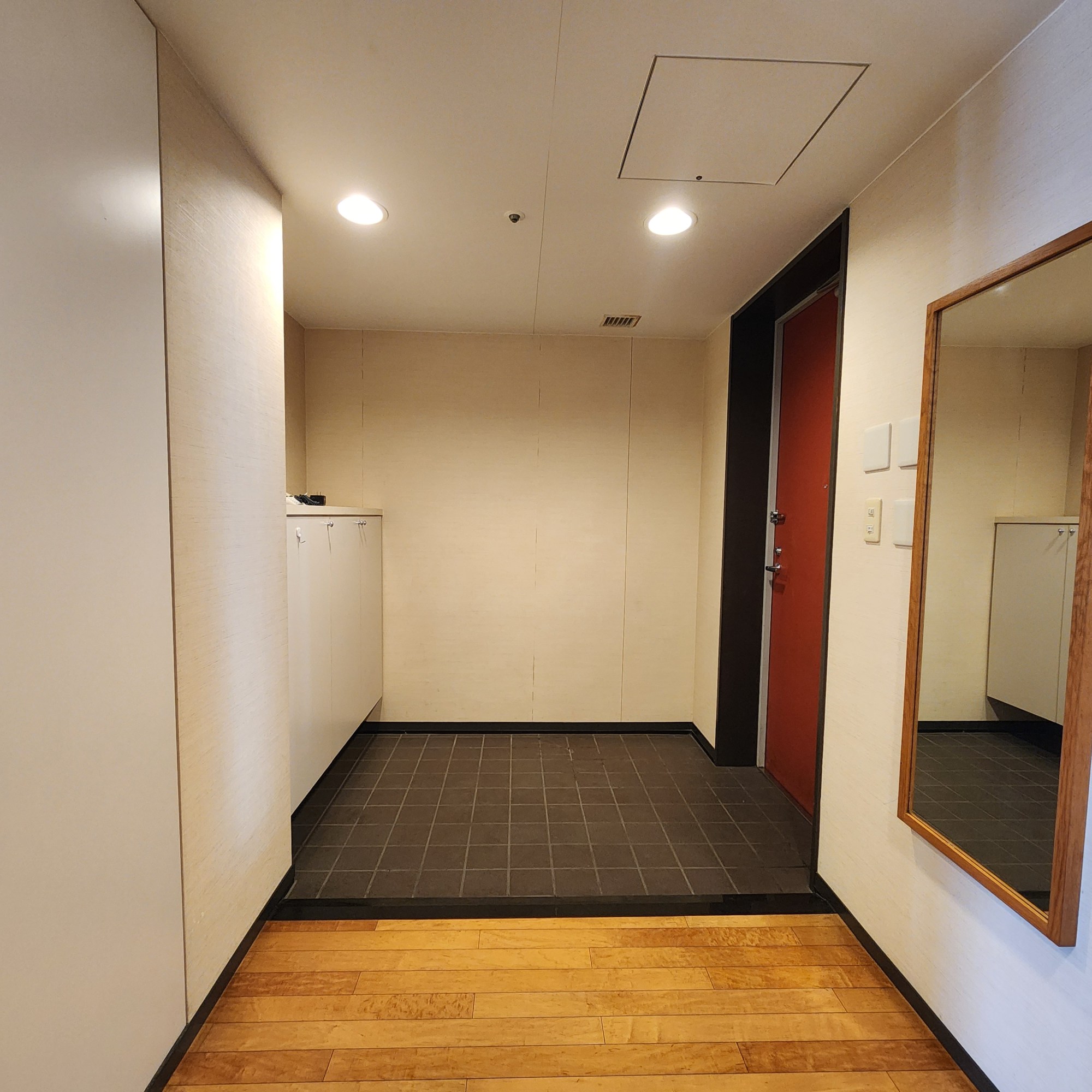
This hall is best for couples, although it can also accommodate small families (parents and one child aged 6 years and below). Many residents in Hall C live with a baby or toddler. The unit has a separate bedroom and study room, both of which are partitioned with shoji sliding doors.
Hall C units are furnished with a bathtub, shower, toilet, washing stand, kitchen (IH heater), refrigerator, dining table, dining chairs (4), bar stools (2), sofa, armchairs (2), coffee table, bed/mattress (2), vanity table with mirror, study desk, office chair, bookshelf, storage cabinets, wall-mounted full mirror, washing machine, air-conditioner, floor heating system, and intercom system.
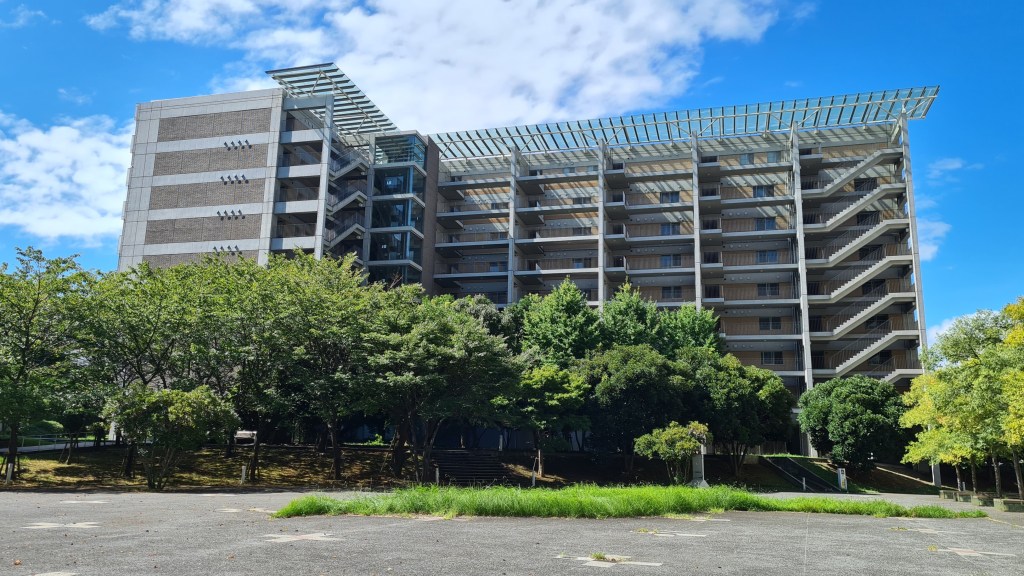
Hall D
| Occupant type | Family |
| Room type | 3LDK |
| Floor area | 100 m2 |
| Number of floors | 9 floors |
| Number of room units | 56 units |
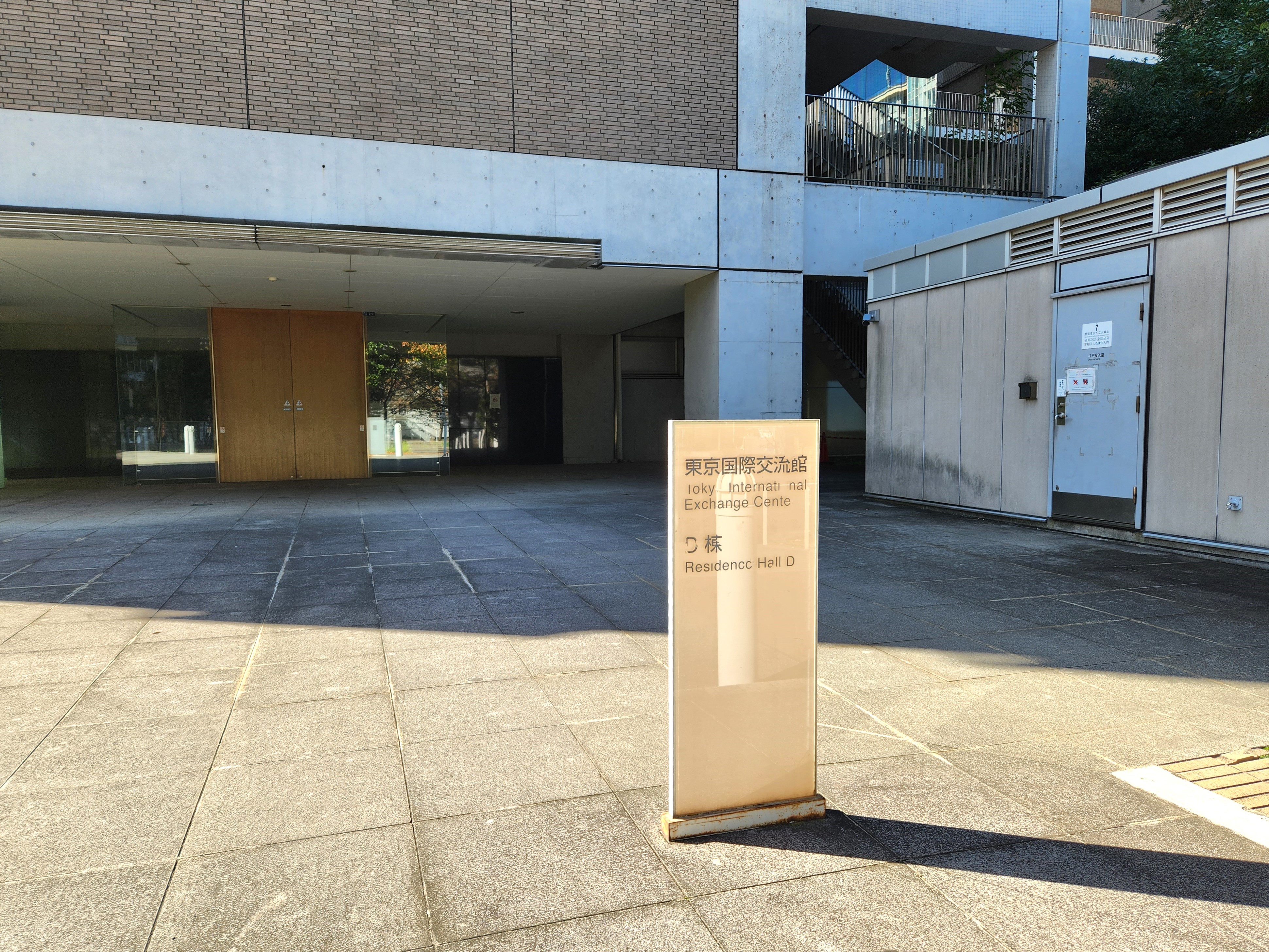
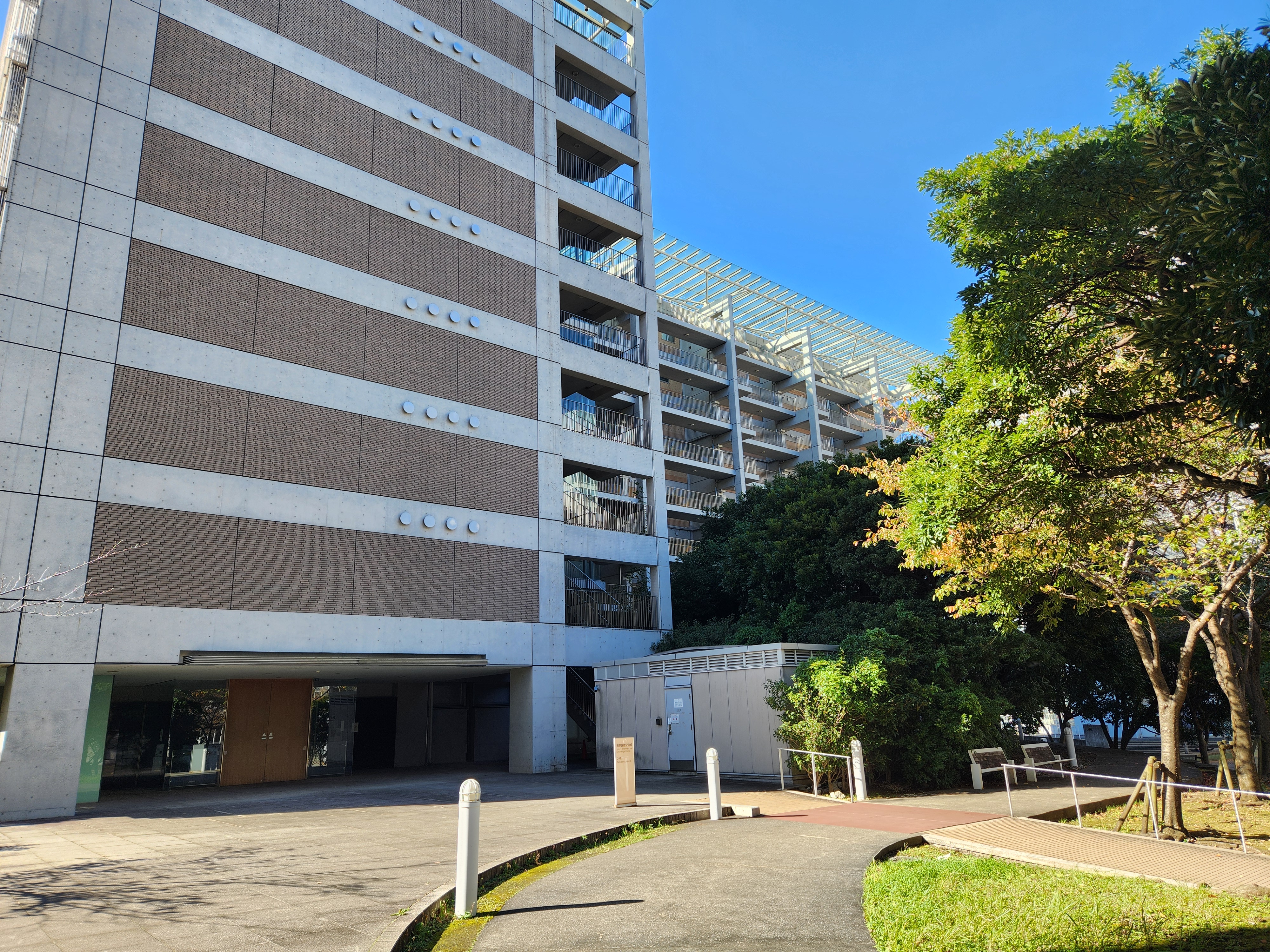
Note: I have no photos of the unit interior of Hall D. You can find a good quality photo of a unit in Hall D on the website of Ishimoto, the architectural firm behind TIEC.
This hall is best for families with children above 6 years old. TIEC does not specify the maximum number of occupants for families residing in Hall D, so it might be based on a case-to-case basis. The units have three separate rooms: master’s bedroom, children’s bedroom, and study room. Like Hall C, these rooms are partitioned by shoji sliding doors.
Hall D units are furnished with a bathtub, shower, toilet, washing stand, kitchen (IH heater), refrigerator, dining table, dining chairs (4), bar stools (2), sofa, armchairs (2), coffee table, bed/mattress (3), vanity table with mirror, study desk, office chair, bookshelf, storage cabinets, wall-mounted full mirror, washing machine, air-conditioner, floor heating system, and intercom system.
Facilities and Amenities
TIEC offers a range of facilities to make life easier and more enjoyable for its residents — from study rooms and communal kitchens to fitness spaces and lounges.
These amenities are designed to support both daily needs and social life, helping residents focus on their studies while also connecting with others.
Here is a list of the facilities at TIEC:
Common-use Facilities
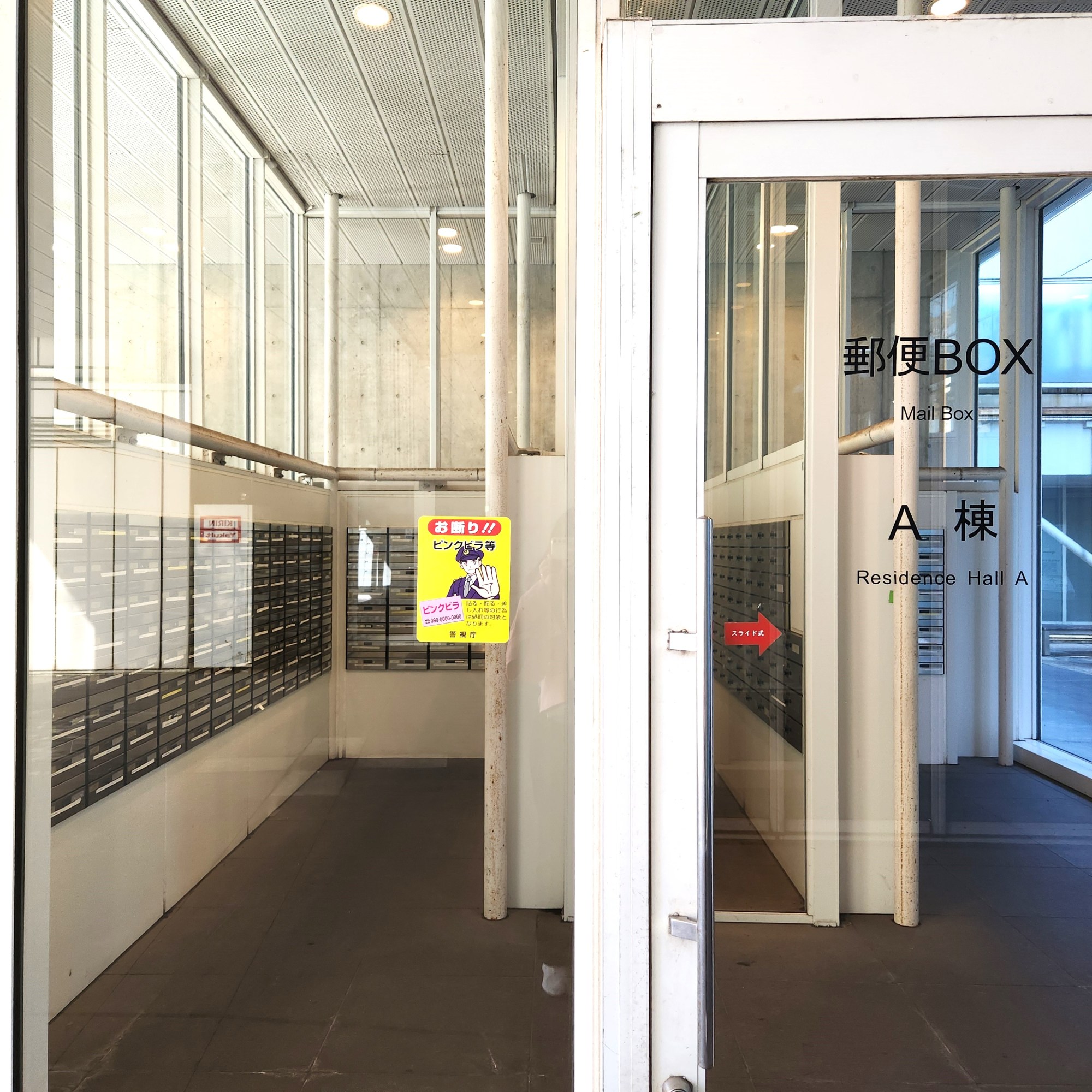
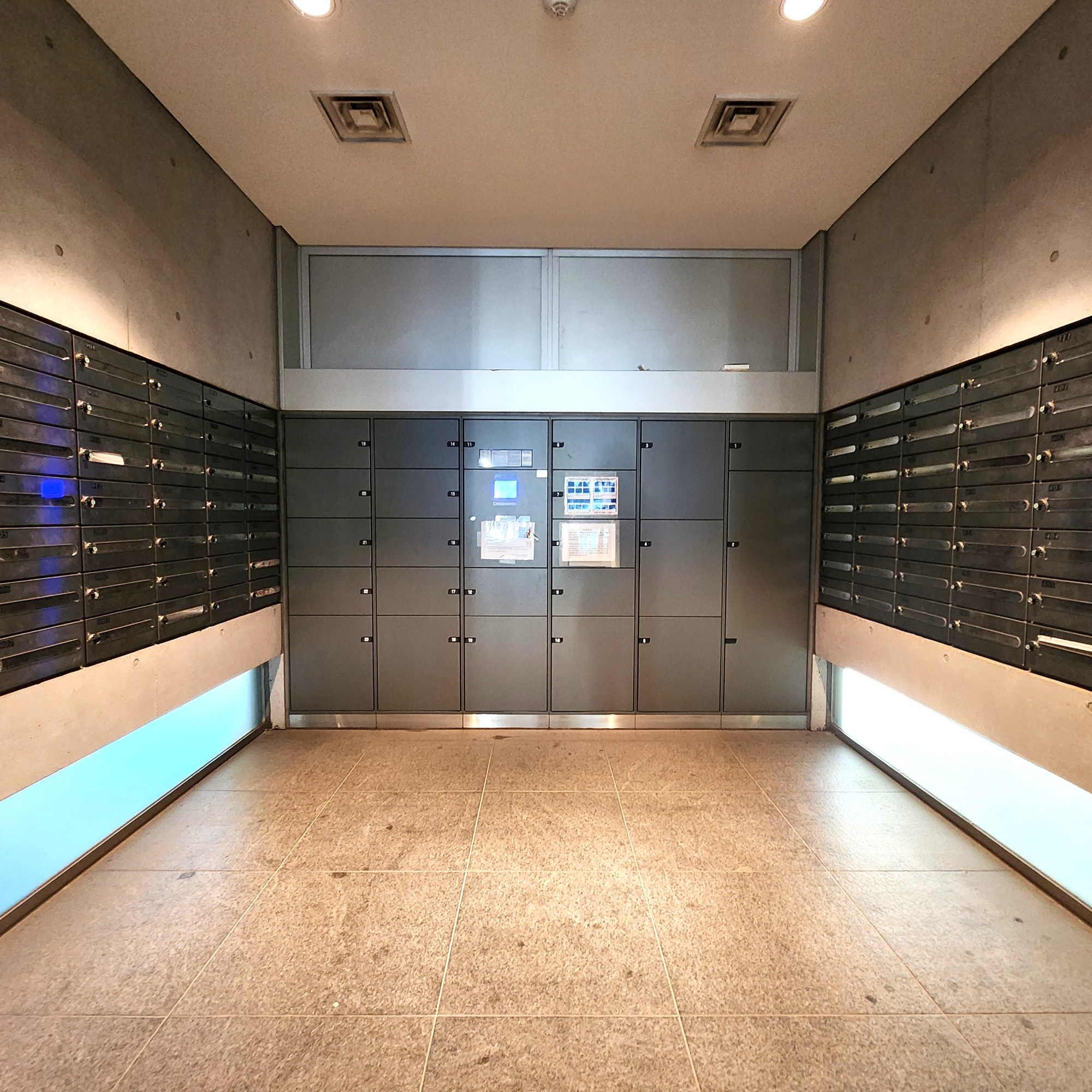
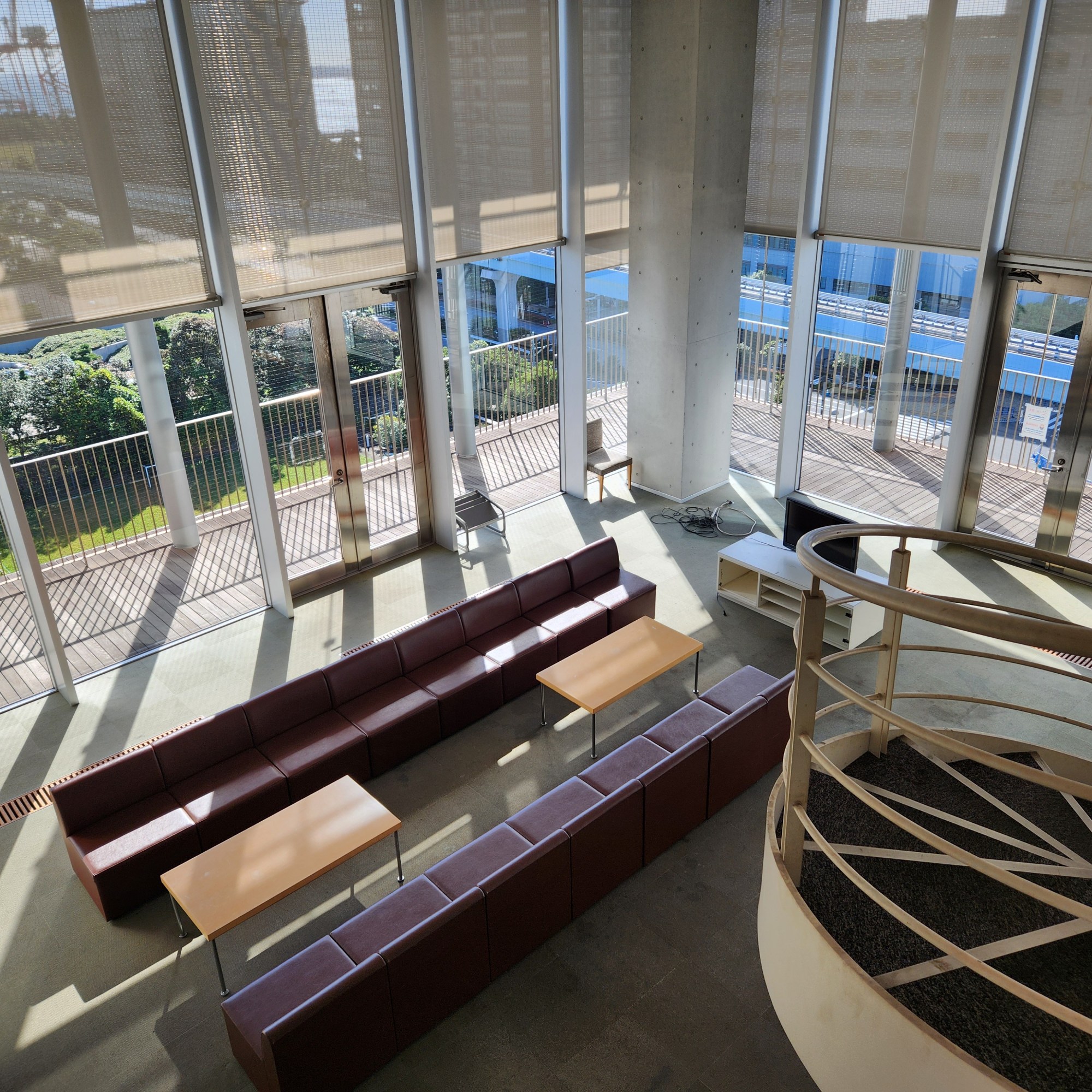
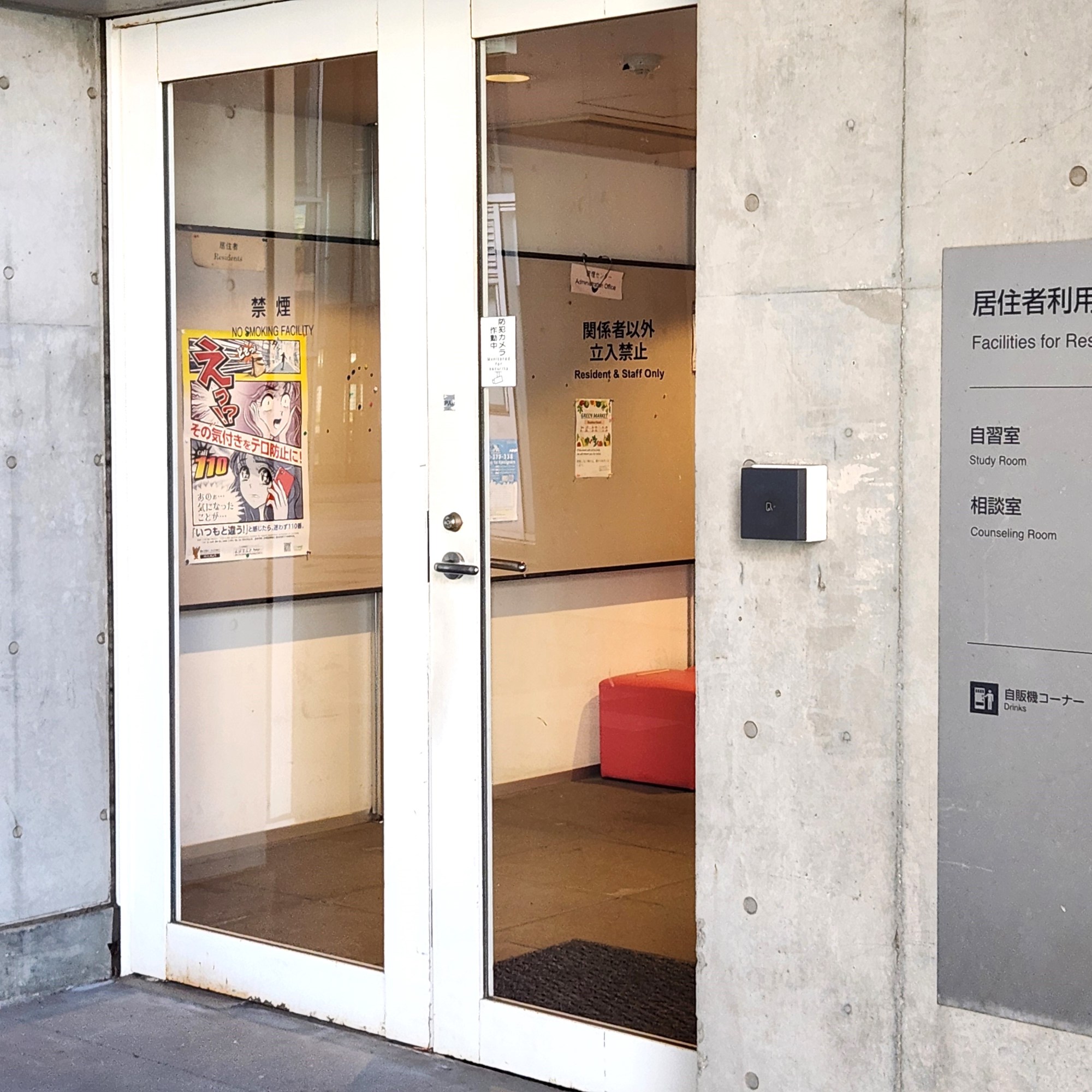
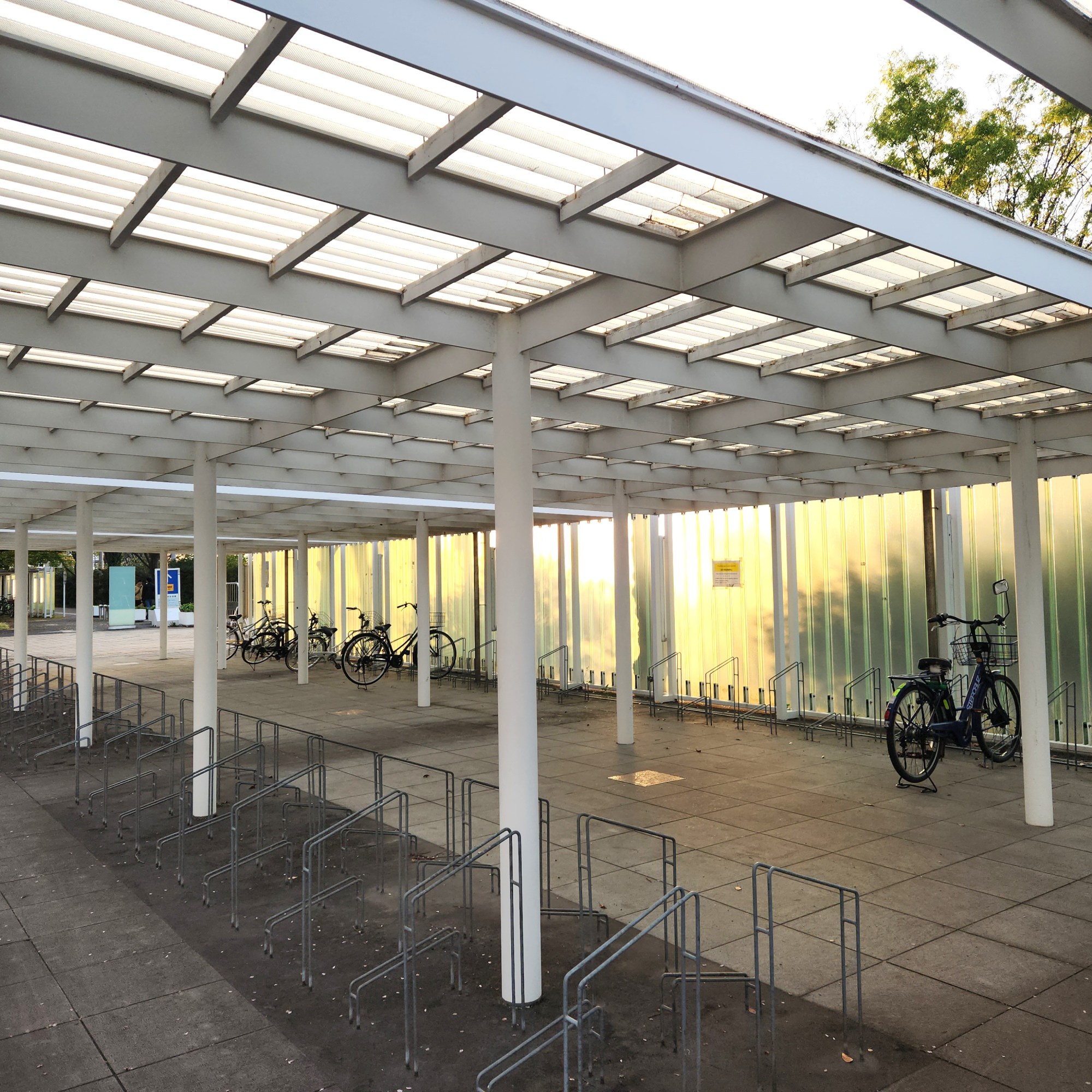
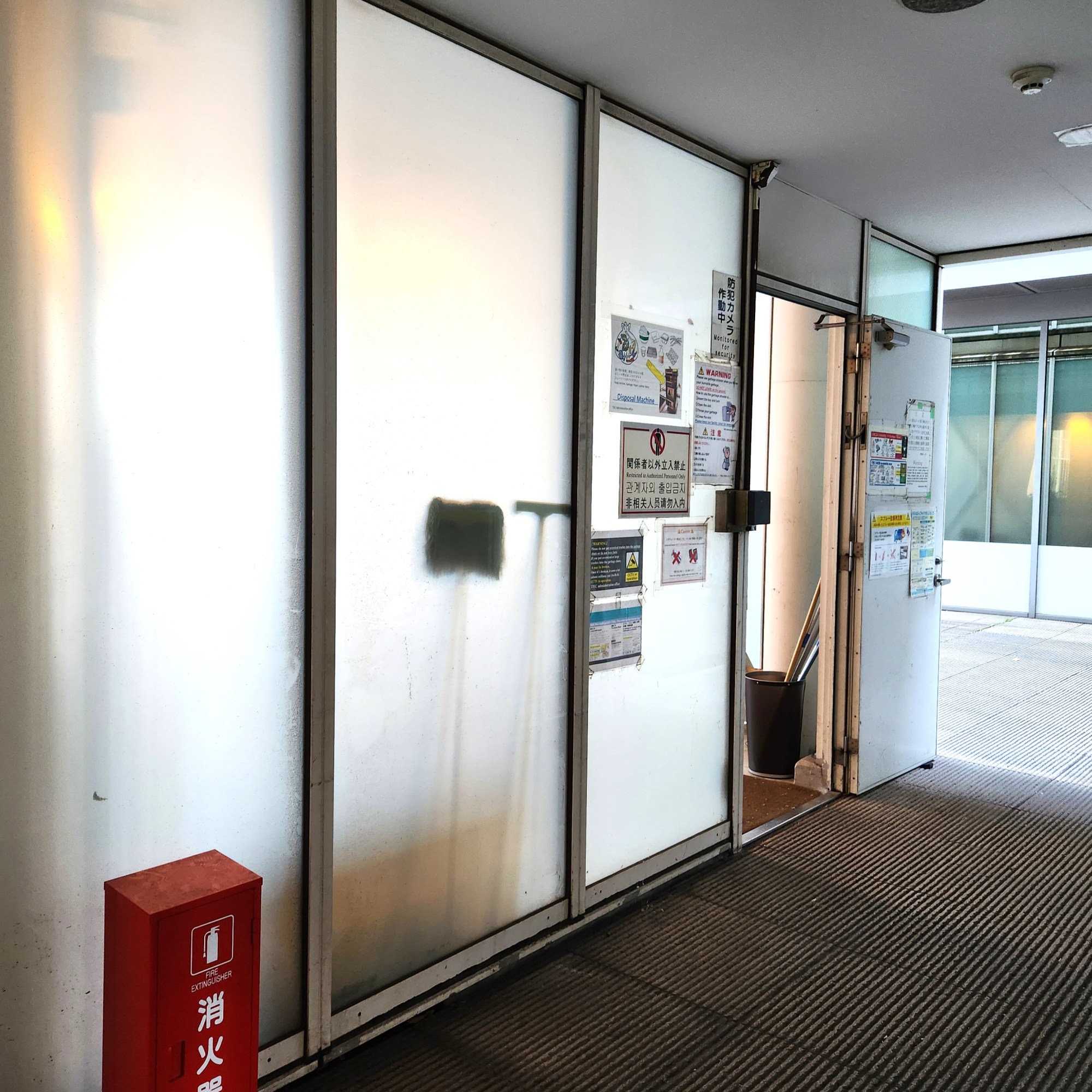
- Lounges
- Mailrooms
- Study Room
- Seminar Room
- Japanese-style Room
- Cooking Instruction Room
- Music Room
- Arts and Crafts Room
- Multi-purpose Room
- Garbage Station
- Recycling Area
Plaza Heisei
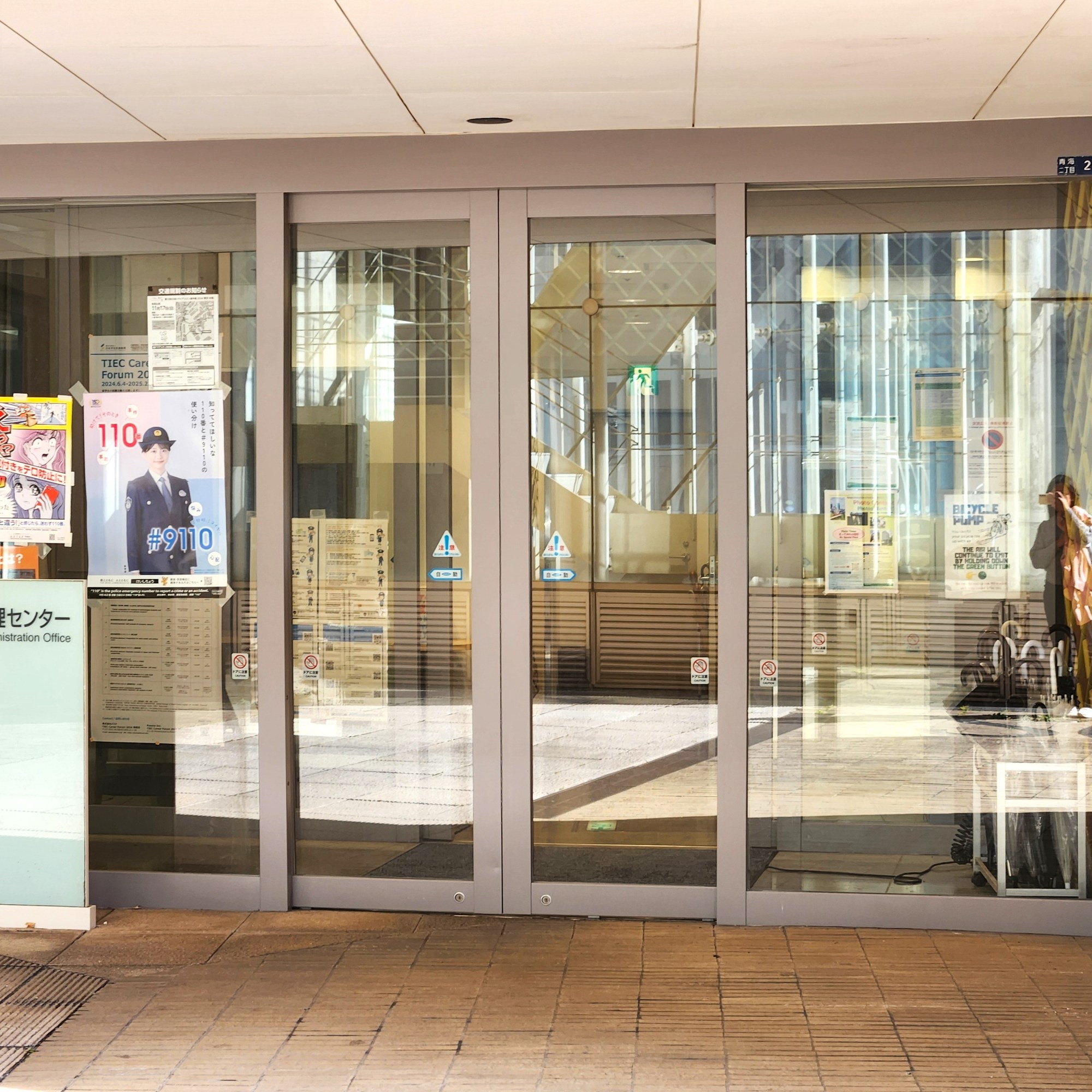
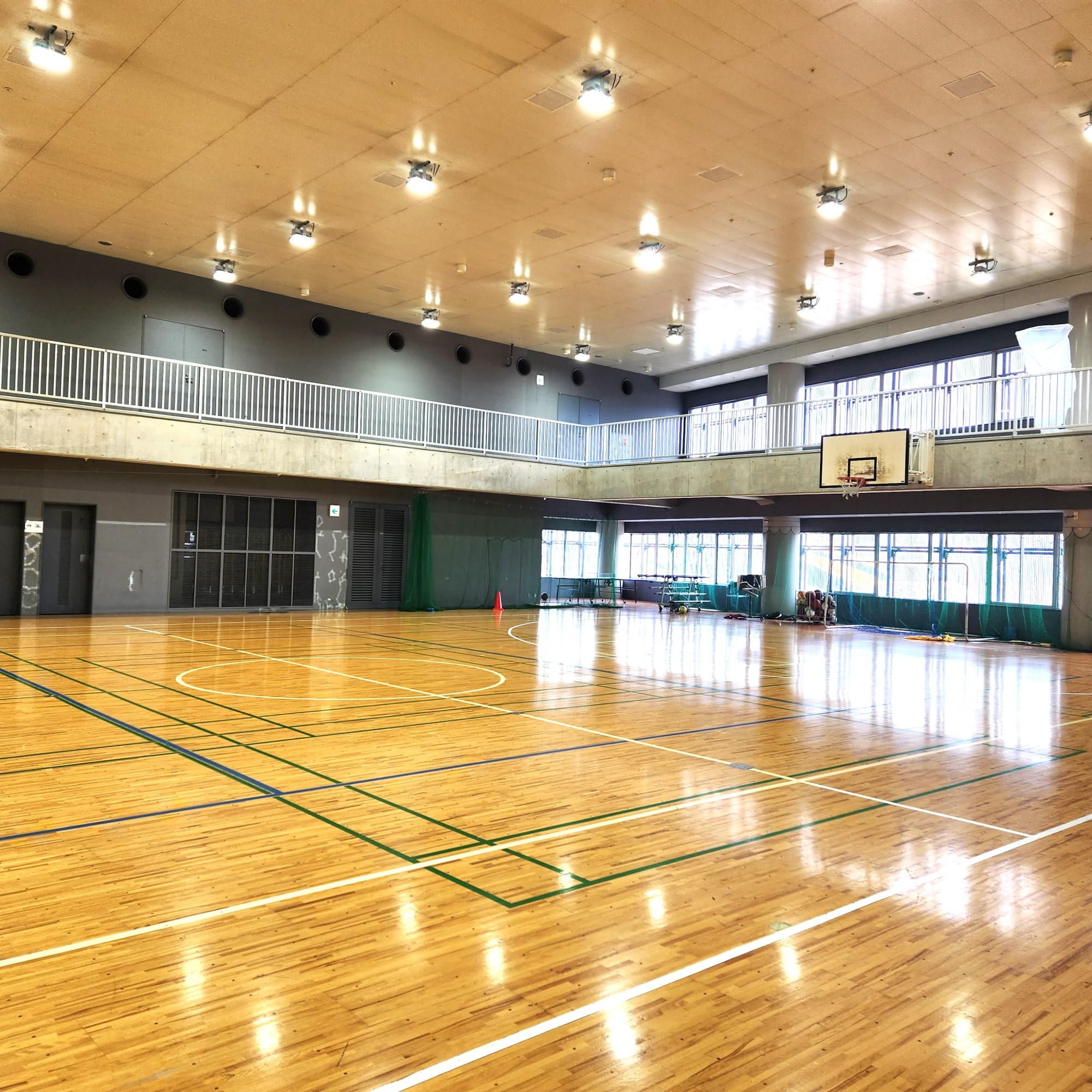
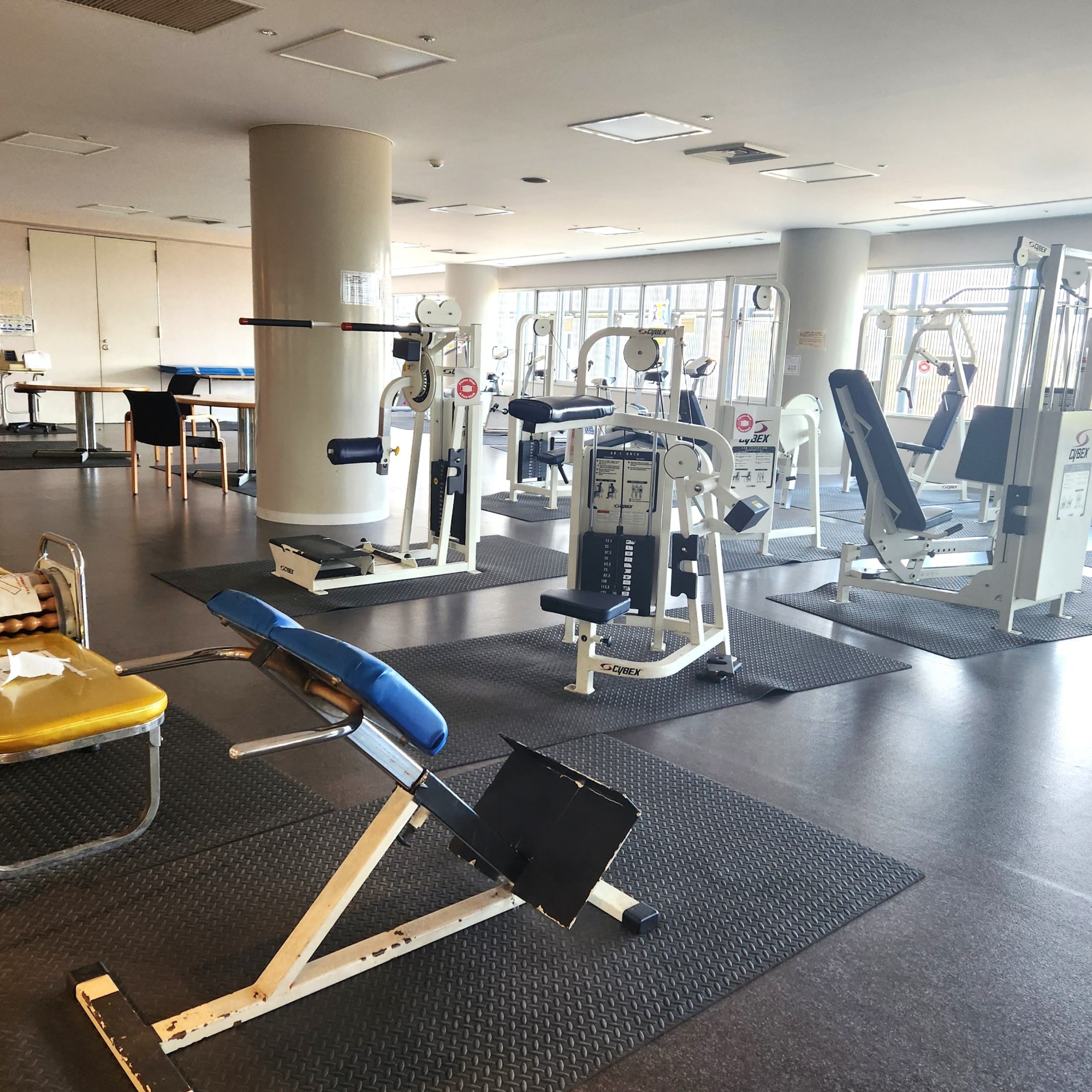
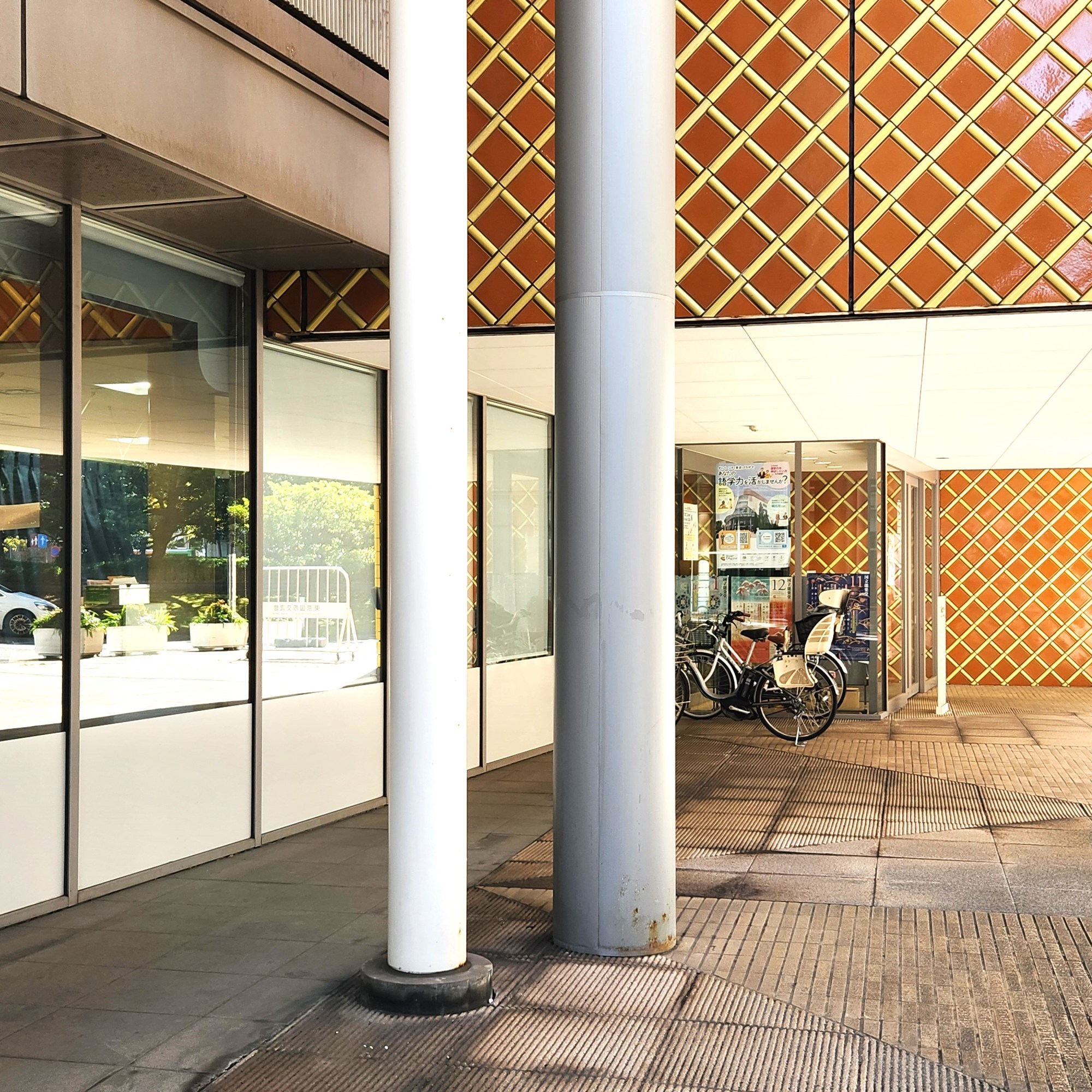
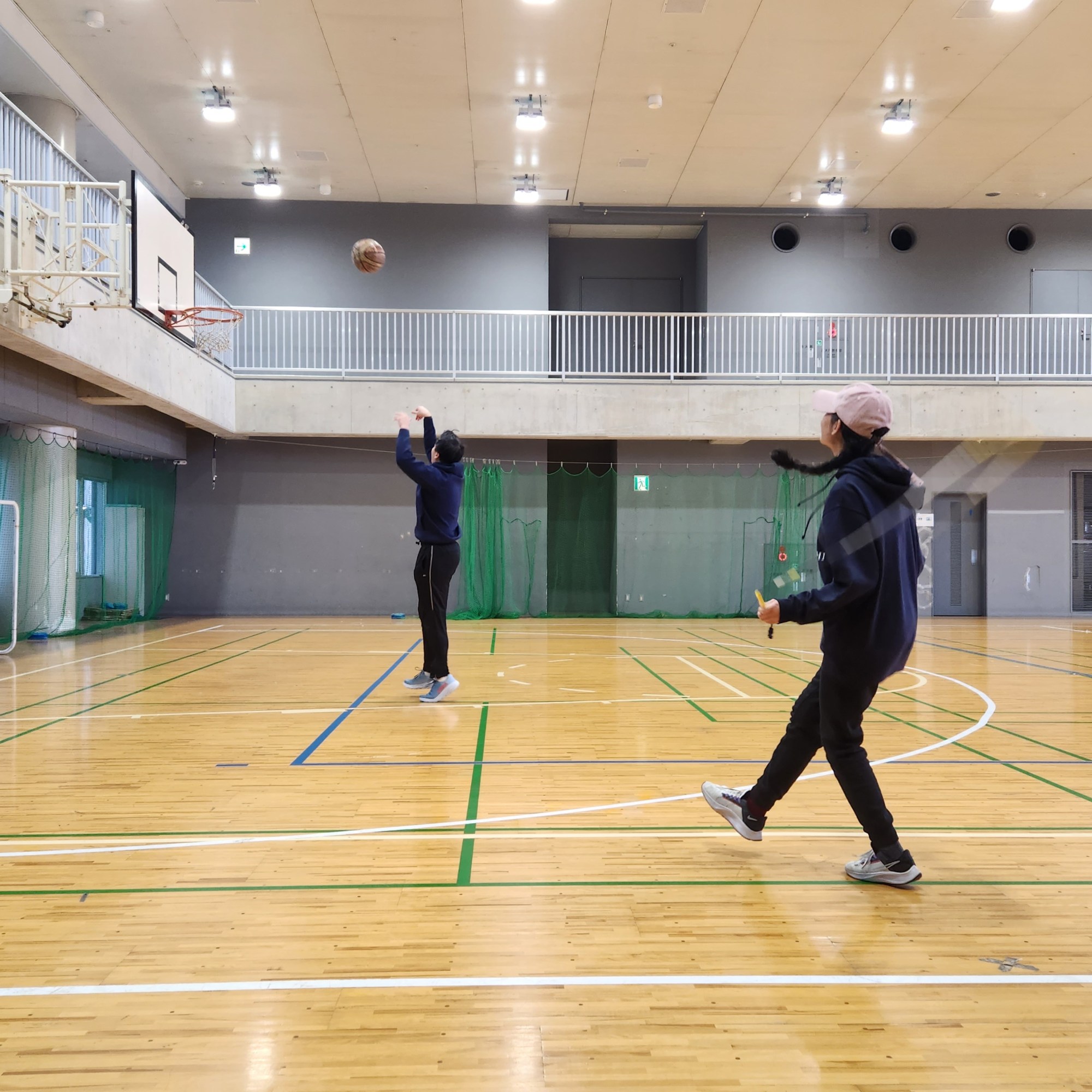
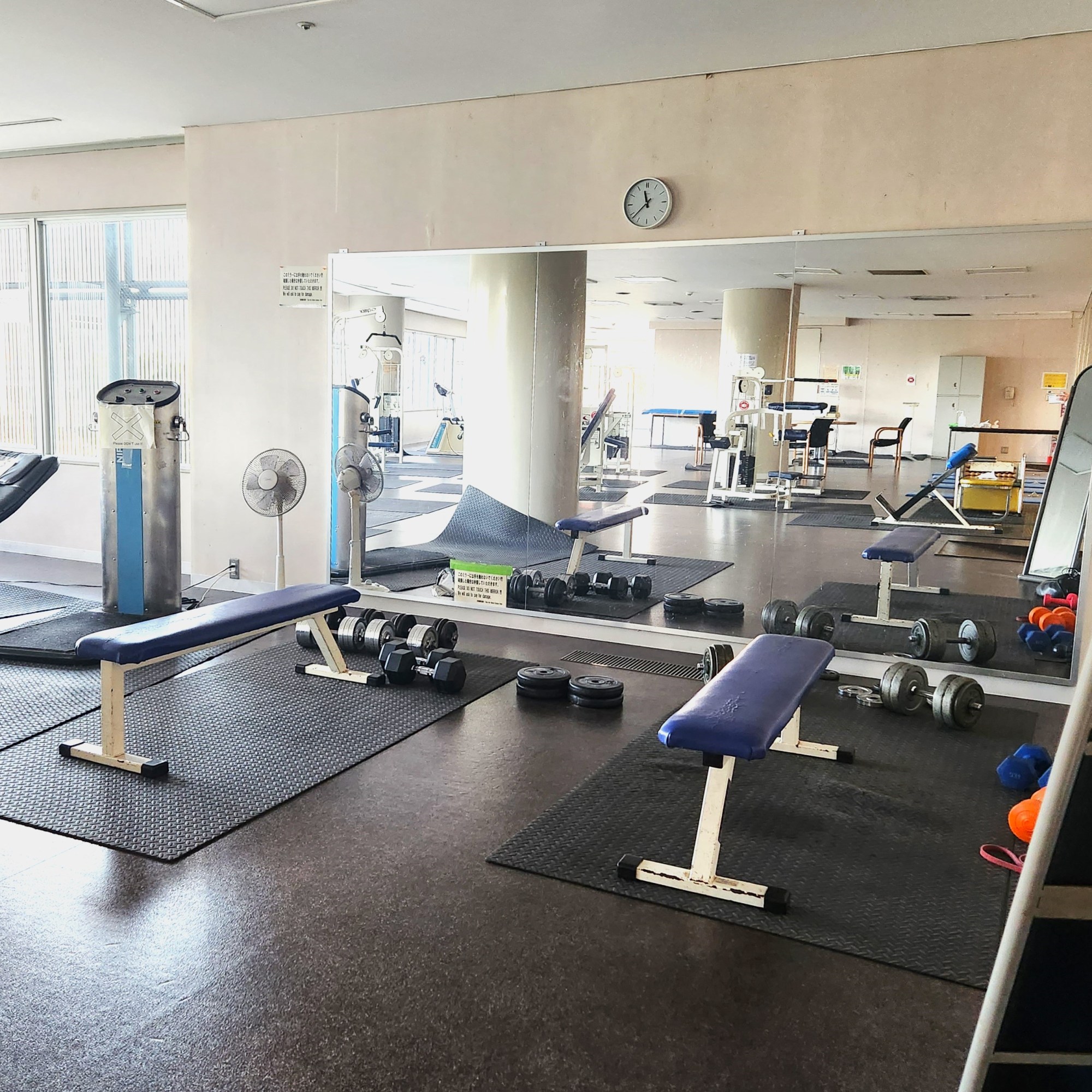
- Gymnasium
- Training Room
- Administrative Office
- Security Office
Outdoor Facilities
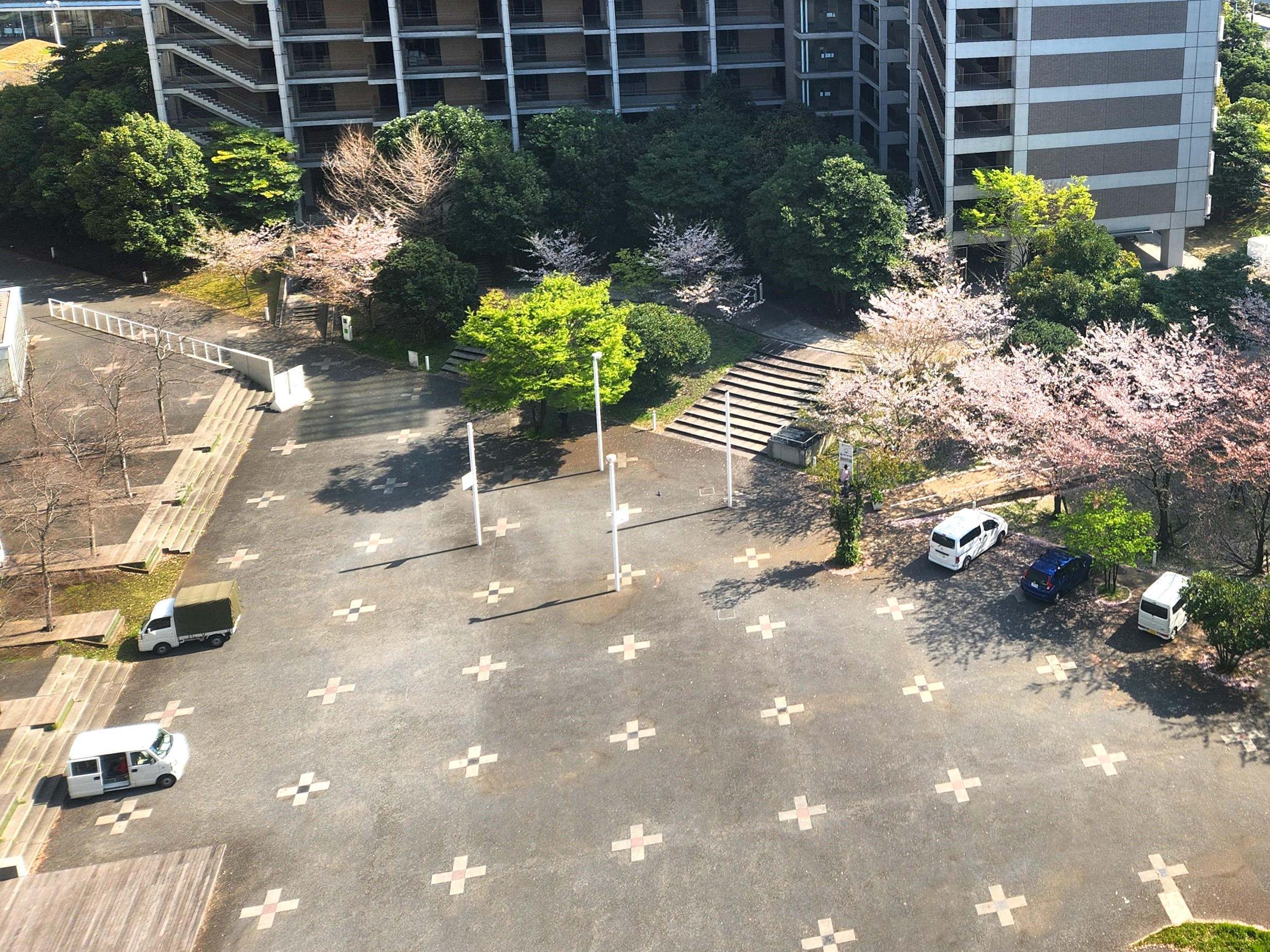
- Exchange Square
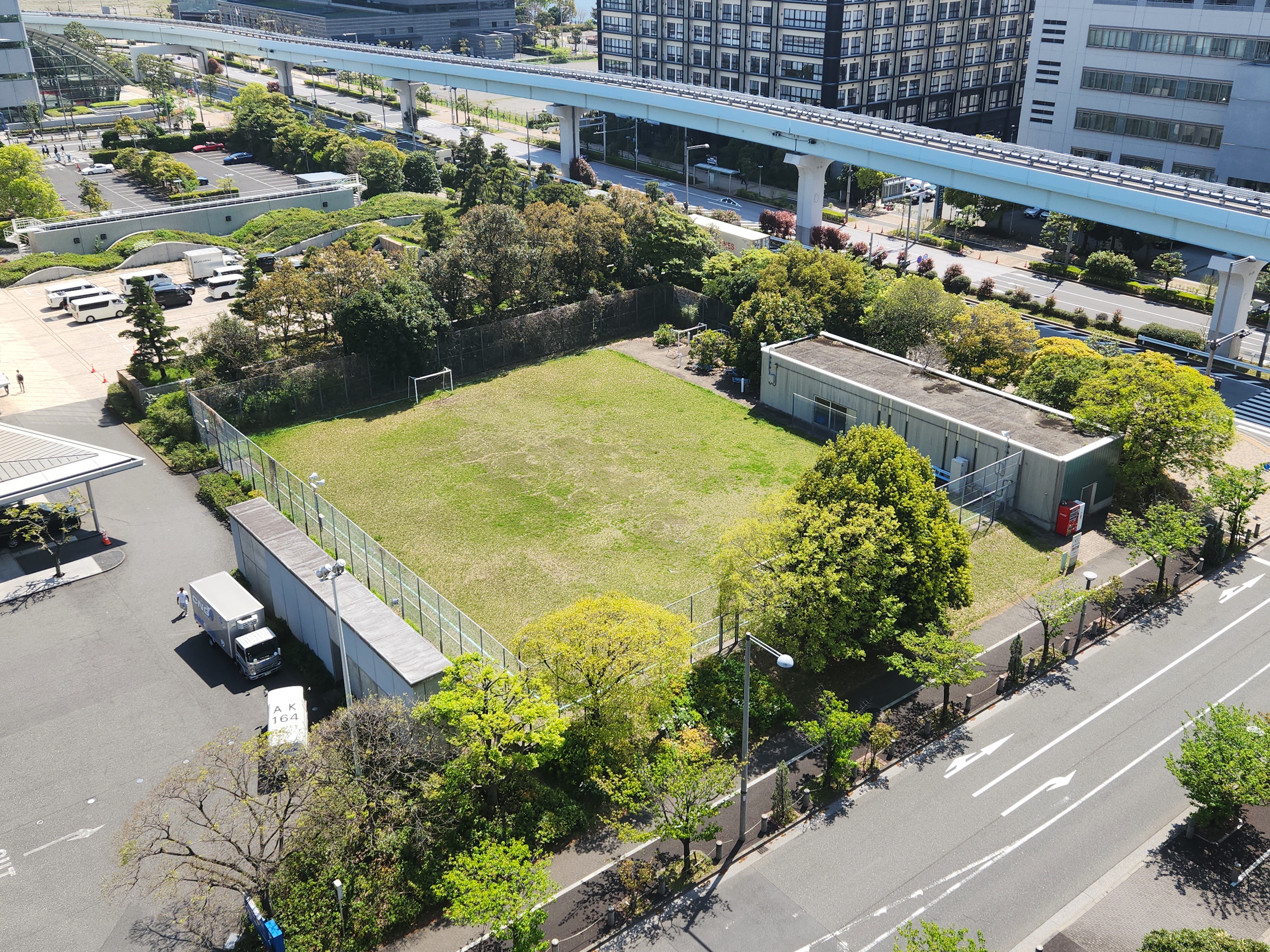
- Outdoor Sports Ground
- Green Yard
Rent and Living Costs
Rent
With government support through JASSO, TIEC offers affordable rent. In fact, it may actually be your cheapest option―in terms of price per square meter―if you plan to stay in Tokyo for your study and research.
| Resident Type | Hall A | Hall B | Hall C | Hall D |
| International students | ¥35,000 | ¥52,000 | ¥74,500 | ¥86,500 |
| Japanese students | ¥56,000 | ¥70,000 | ¥101,000 | ¥118,000 |
| Researchers | ¥62,000 | ¥78,000 | ¥112,000 | ¥129,500 |
For comparison, the cheapest unfurnished one-room or studio-type units with a floor area of 30 m2 in central Tokyo have rental fees of more than ¥70,000. You’ll pay several upfront costs (security fees, gratitude money, brokerage fees, guarantor fees, key replacement fees, etc.) and monthly unit maintenance costs. You also need to buy your own furniture and appliances too.
Yet, Hall B’s rent is only ¥56,000 and the only upfront fee you need to pay is an entrance fee equivalent to one month’s rent.
Utilities
The only additional costs charged by TIEC are utilities: (1) electricity and gas, and (2) water. Both these items are postpaid, i.e. billed and paid in the succeeding month. The amount varies depending on the level of consumption.
The average monthly utilities cost ¥10,500 for Hall A and B residents and ¥17,500 for Hall C and D residents (based on historical consumption trends of TIEC residents).
Transportation Access
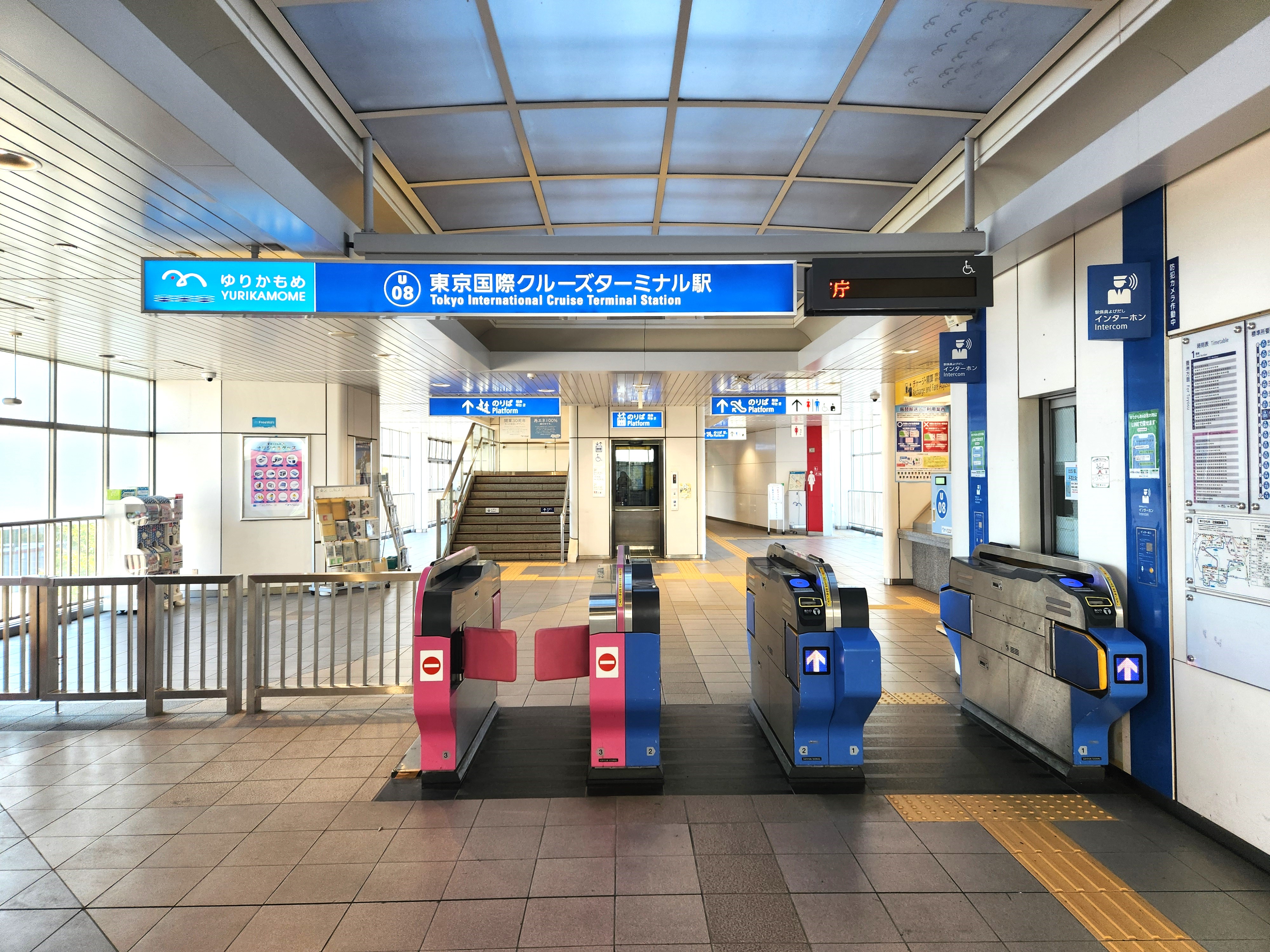
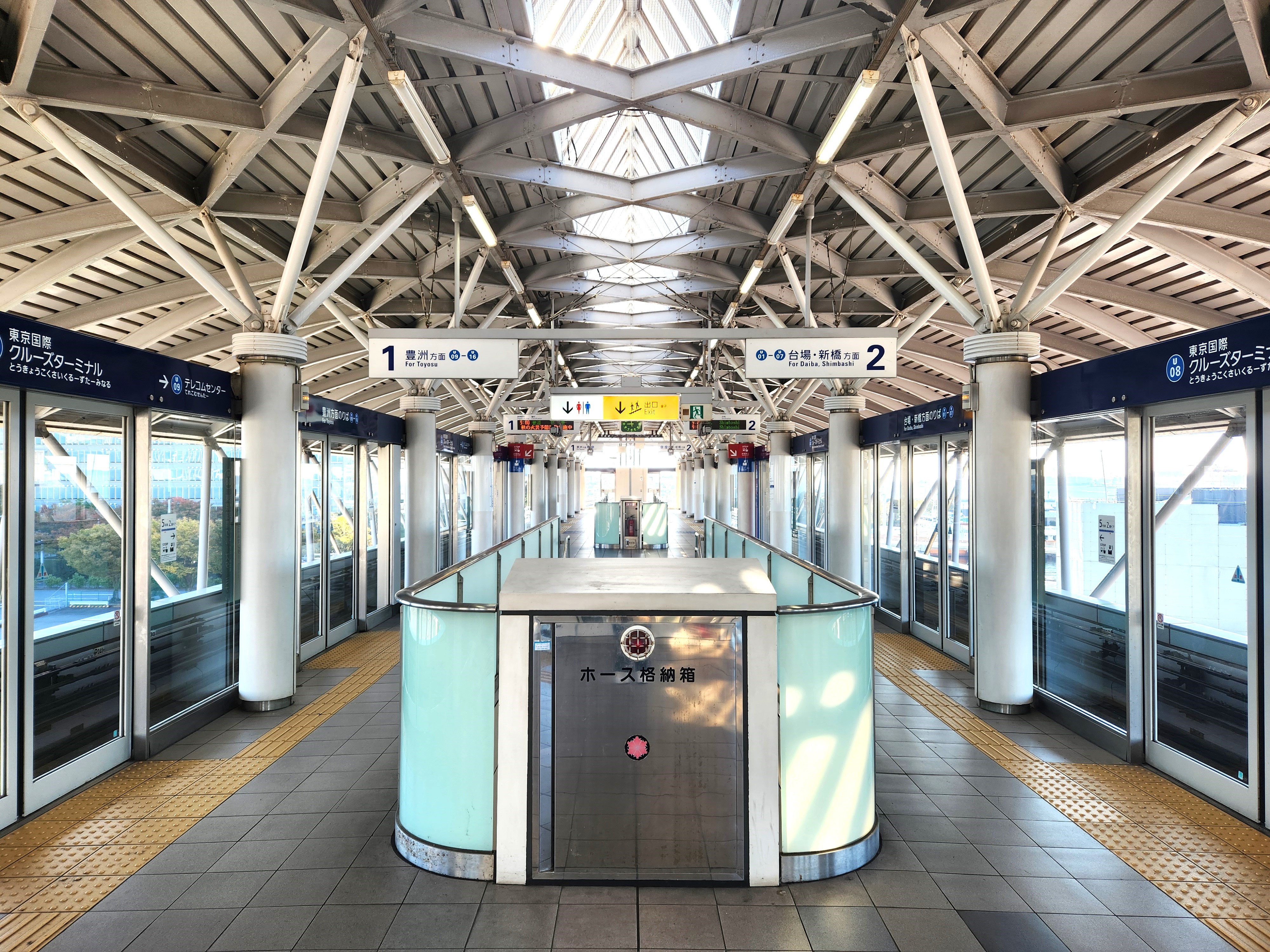
TIEC is easily accessible by public transportation:
- By train from Tokyo International Cruise Terminal station on the Yurikamome line (3-minute walk)
- By train from Tokyo Teleport station on the Rinkai line (15-minute walk)
- By bus from Tokyo International Cruise Terminal-mae stop on Toei bus (less than 1-minute walk)
- By bus from Nihon Kagaku Miraikan-mae stop on Toei bus (2-minute walk)
Be sure to check Google Maps, Navitime, or any other similar app to check the fastest route from TIEC to your university.
Practical Information for Prospective Residents
Application Process
The most important thing to remember is that you CANNOT apply directly to TIEC. The application process shall only be done through your enrolled university.
In general, your application package must have been sent to TIEC at least two months before your target move-in date. The results of the application will be announced two weeks later. You may refer to this page for specific dates of deadlines and notification of results (Japanese only).
The application process is straightforward as you only need to provide a few documents:
- Application for Tokyo International Exchange Center (Form 1-1)*
- Proposal for implementation/participation of exchange activities at TIEC (Form 3)*
- Applicant Recommendation Form (provided by your university)
- Application for Tokyo International Exchange Center – Pledge (Form 14-1)*
- Documentation that proves the period of enrollment (e.g. student ID card, enrollment certificate, letter of admission)
- Photocopy of the passport
- Photocopy of both sides of the residence card
*Request the template forms from your university or download them from this page (Japanese only).
Additional documents are required for Hall C and D applicants moving in with their families:
- Photocopy of the passport of family member/s
- Photocopy of both sides of the residence card of family member/s
- Documentation that shows the relationship to the applicant (e.g. marriage certificate, birth certificate)
Eligibility Criteria
To apply to TIEC, applicants must meet specific criteria. Here’s a breakdown of the requirements to determine if you qualify.
International Students
Applicants must meet all the following criteria:
- Holds a “student” status of residence
- Can commute from the TIEC to the universities
- Meets one of the following conditions:
- Postgraduate students: Must be enrolled as regular students in Japanese universities’ postgraduate programs, including research students, within the standard study period.
- Advanced undergraduate students: Must be in the 5th or 6th year of medical, dentistry, pharmacy, or veterinary programs within the standard period of study.
- Postgraduate programs: Includes students in Japanese universities’ postgraduate programs who may not have a “student” visa status.
Foreign Researchers
Applicants must meet all the following criteria:
- Registered with Japanese universities or research institutes
- Holds one of the specific researcher or cultural activity visas or is a Highly Skilled Professional
- Can commute from the TIEC to the universities or institutes
- Holds a doctoral degree awarded in less than 8 years at the time of application
Period of Residence
In general, the period of residence shall be 30 days up to 3 years.
- International Students: Maximum residence of 3 years during the term of study, including any past residence.
- Researchers: Maximum initial residence of 3 years during the enrollment period. Researchers may reapply for another 3 years, totaling a maximum of 6 years, including any past residence.
Tips for New Residents
- Make a contract yourself with an internet service provider. TIEC does not provide internet in any of its units so you have to find one on your own. Most TIEC residents avail @George Internet for affordable and convenient Wi-Fi connectivity which is only ¥2,200 per month.
- Bring sufficient funds for when you move into TIEC. You will need to pay the first month’s rent and the entrance fee immediately. This is equivalent to two months worth of rent.
- Get a commuter pass as soon as possible. The Yurikamome line is quite expensive and it can easily drain your wallet with frequent commutes. A one-way trip to Shimbashi station already costs ¥390.
- Connect with outgoing TIEC residents. They could be upperclassmen from your university who can give away some of their household items such as cleaning tools, utensils, pans/pots, and the like. (I even got a free TV and kotatsu!)
- Register your bank account with TIEC. This will be used to automatically debit your bank account for the payment of your monthly rent plus a transaction fee of ¥110. Otherwise, you need to pay through the convenience store yourself and incur a higher fee of ¥671.
Student Experiences and Community
The TIEC community is lively, with a regular schedule of events and activities that appeal to various interests. These gatherings provide an excellent opportunity for students to meet and build connections throughout their time at TIEC.
Additionally, TIEC offers support that helps students adapt to living in Japan, through opportunities that deepen their understanding of Japanese culture and traditions.
Green Market
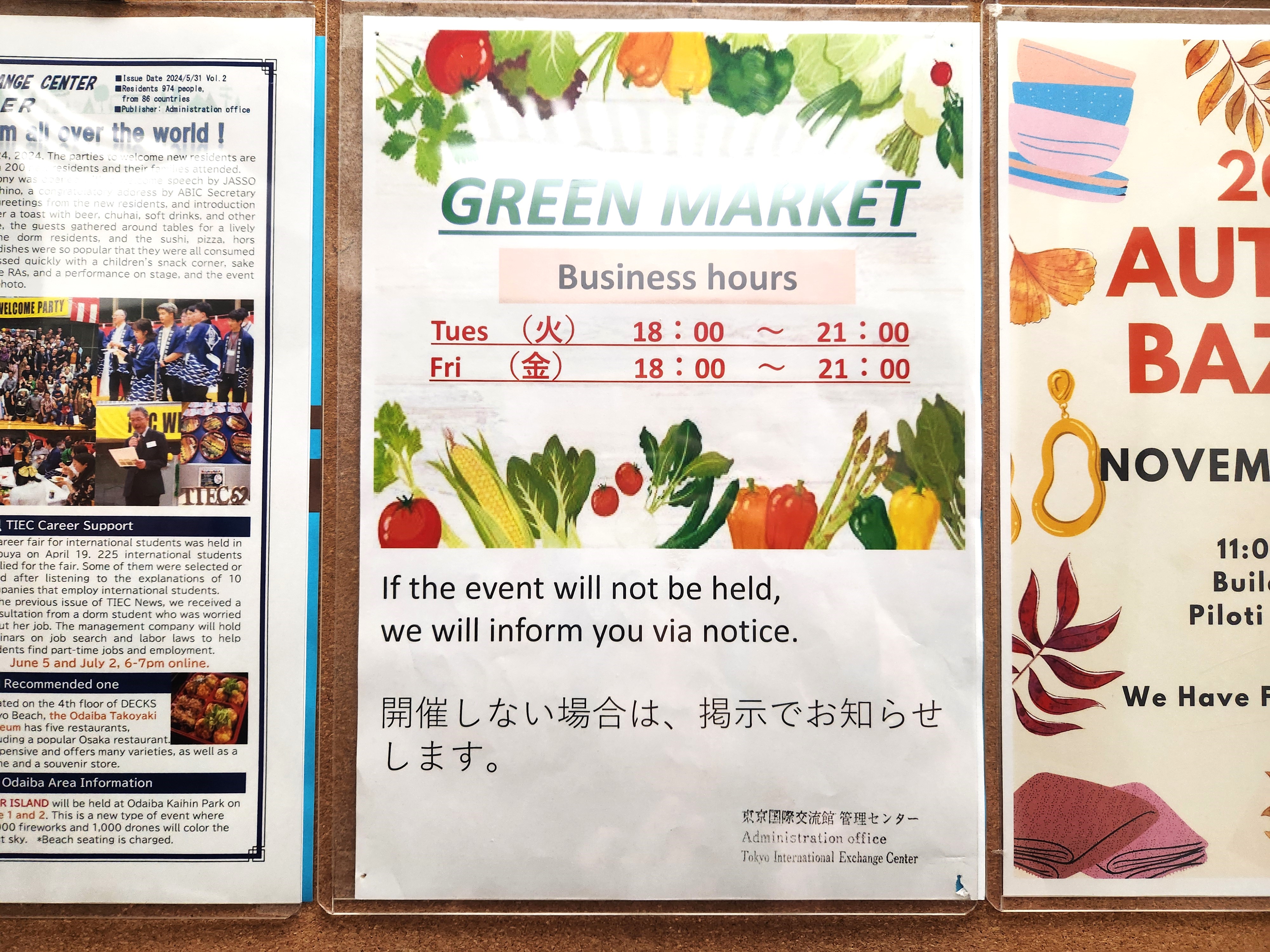
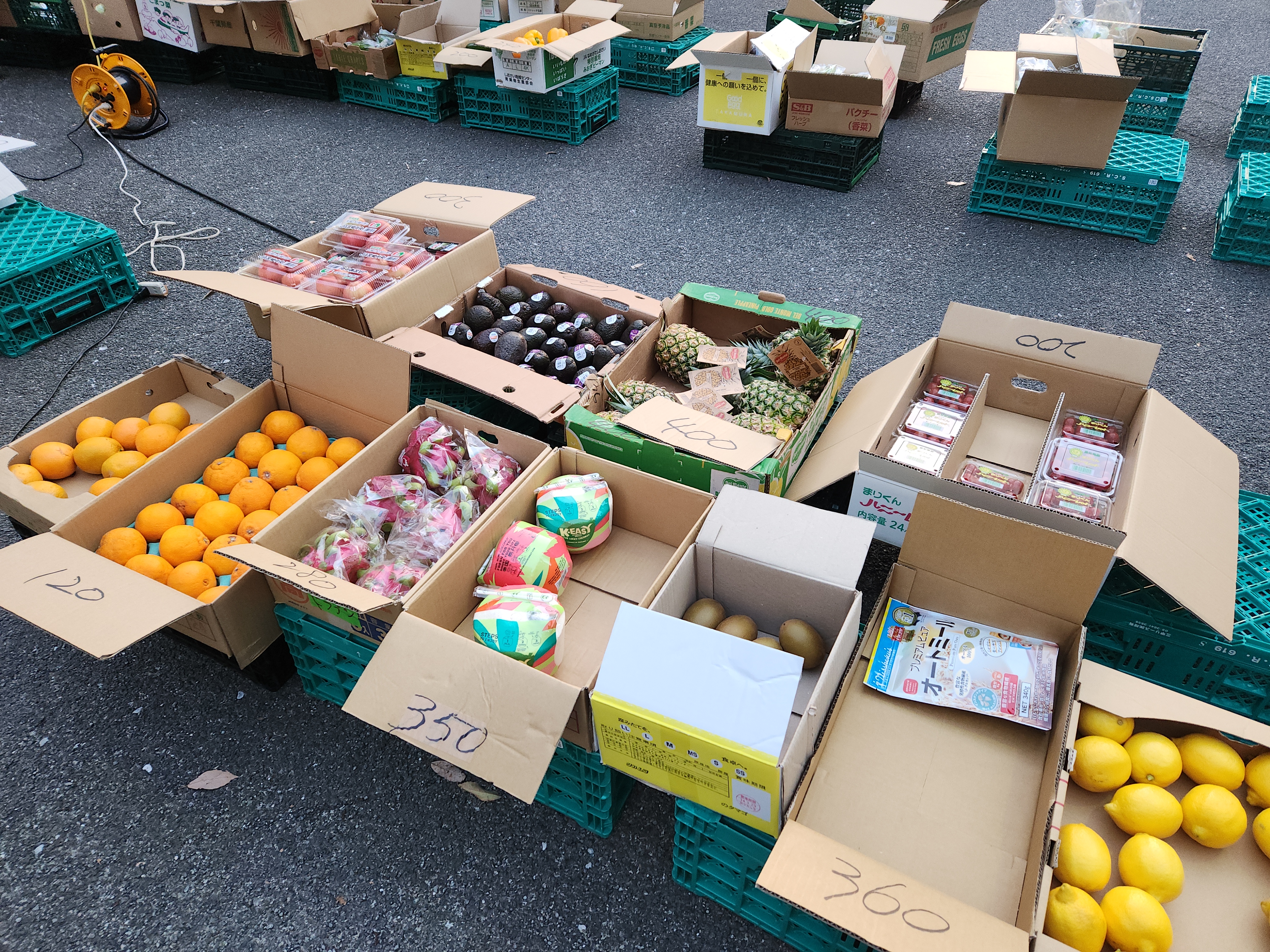
Every Tuesday and Friday evening, the Green Market opens up shop at the exchange plaza in the center of TIEC. Occasionally, they are open on a Sunday too.
Residents can purchase vegetables, fruits, and other food products that are generally cheaper compared to supermarket or grocery prices.
Japanese Language Lessons
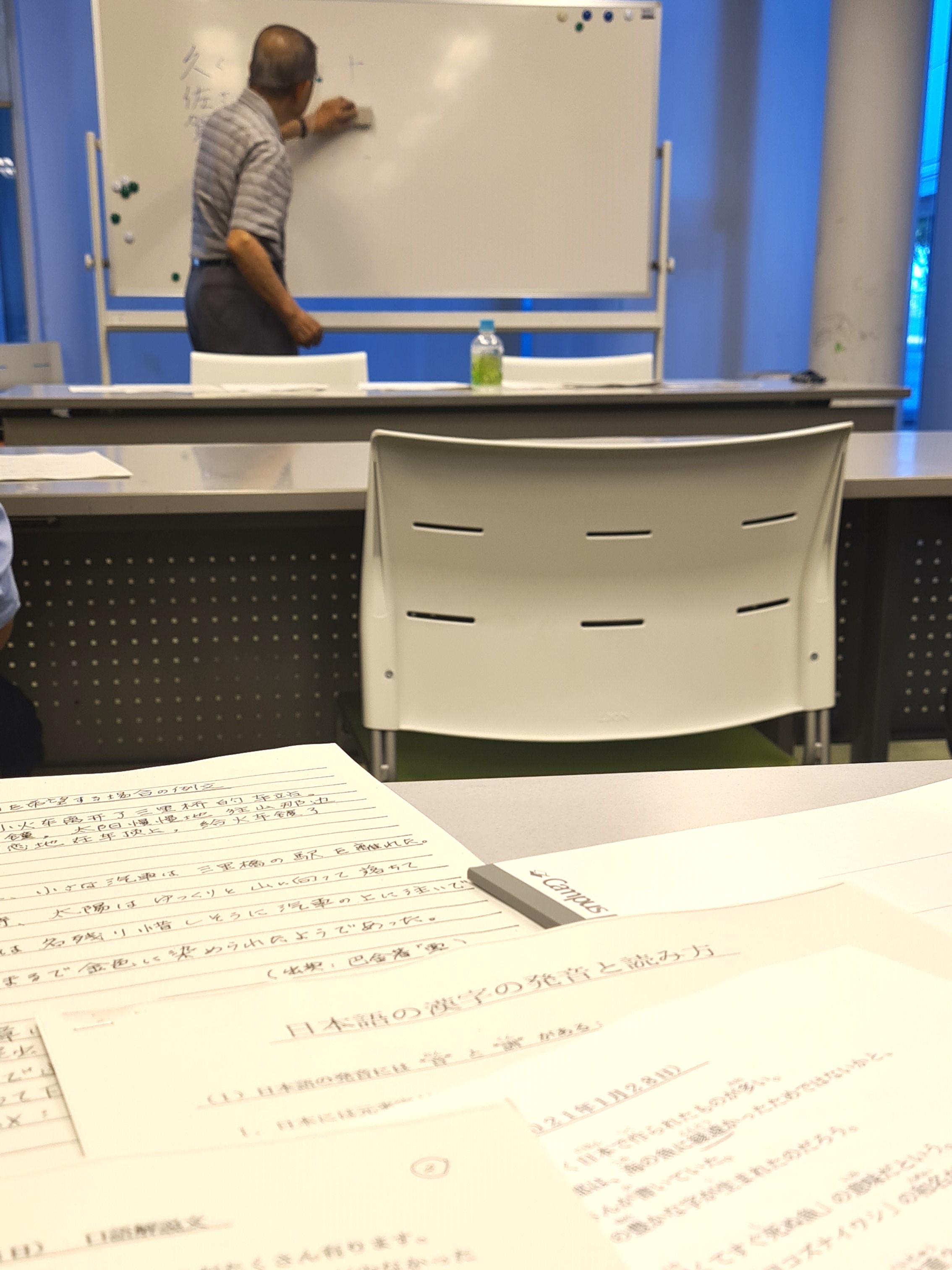
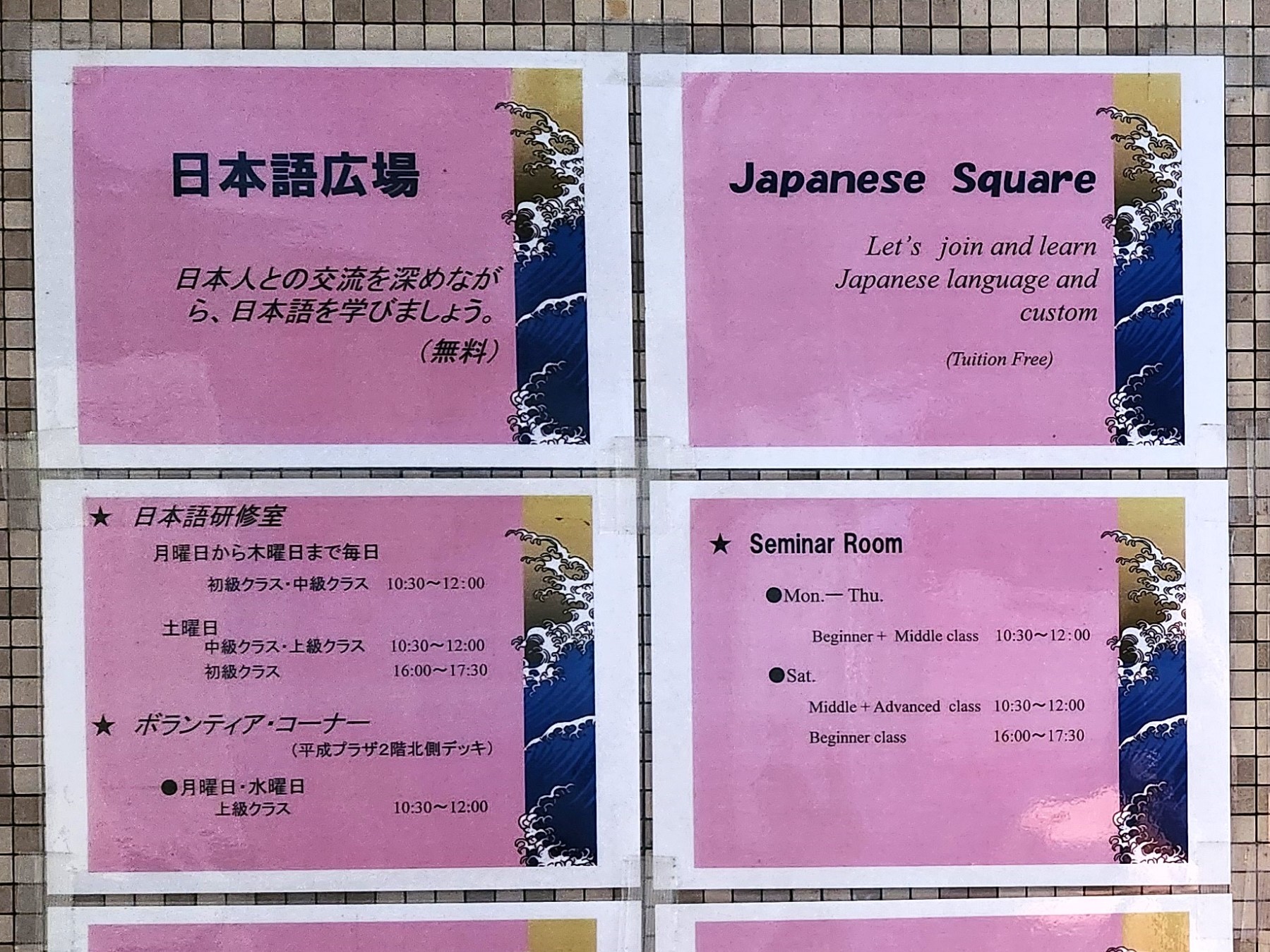
TIEC partnered with a non-profit organization, Action for a Better International Community (ABIC) to provide free Japanese language lessons to residents.
ABIC offers three levels of Japanese lessons: basic, intermediate, and advanced. And since classes are free, you can join without prior registration. Class schedules are posted on the bulletin board of each Hall.
Japanese Culture Experiences
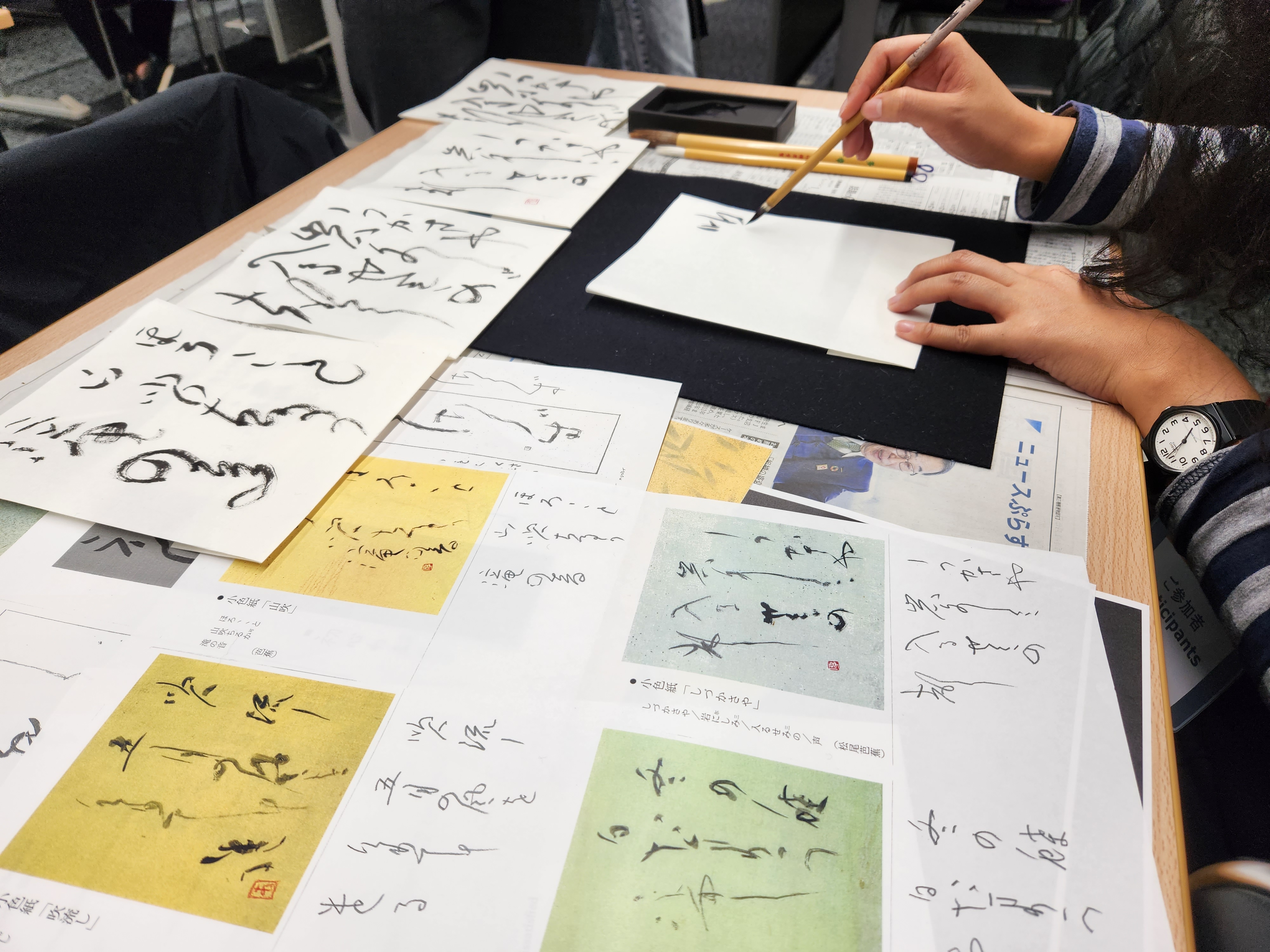
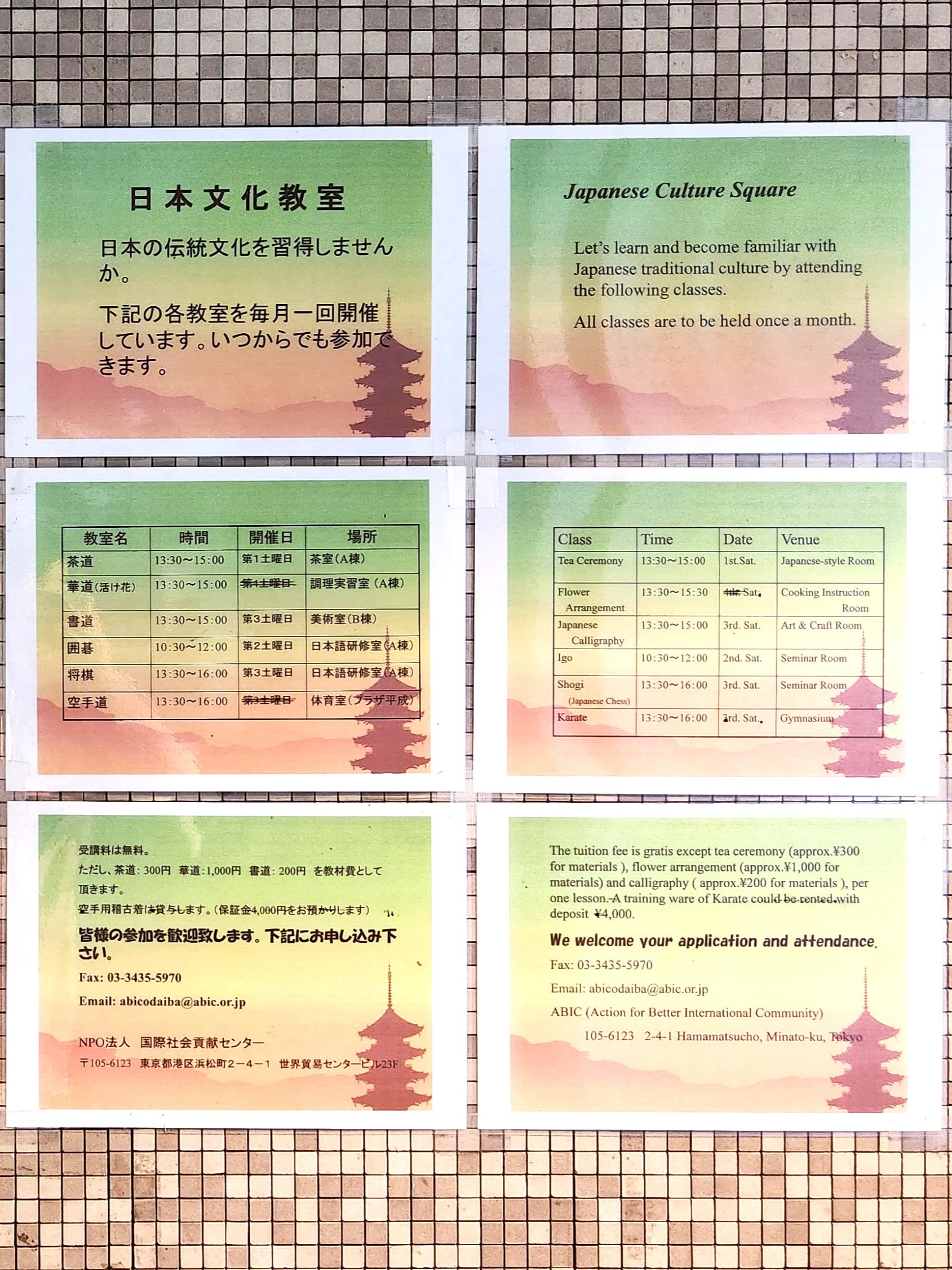
Aside from Japanese language classes, ABIC offers opportunities to learn and enjoy Japanese culture for free.
Some of these activities are sadō (tea ceremony), shodō (calligraphy), ikebana (flower arrangement), go (Japanese board game), shogi (Japanese chess), and karate (Japanese martial arts).
Research Presentations
TIEC residents are given a chance to introduce and explain their research study to fellow residents and the general public.
Specifically, the purpose of this event is to “form an intellectual network and promote research and cultural exchange.”
Each presenter will also have a Q&A session to clarify the details of their studies. The program ends with a networking event with food and drinks.
Festivals and Events
Every October, the TIEC Festival is held to promote both Japanese and international cultures. Traditional dance presentations, food booths with international cuisine, and a stamp rally are part of the program.
TIEC also holds welcome parties for newcomers and residents organize a bazaar to sell their items to others. You can find more events on this page.
Social Media
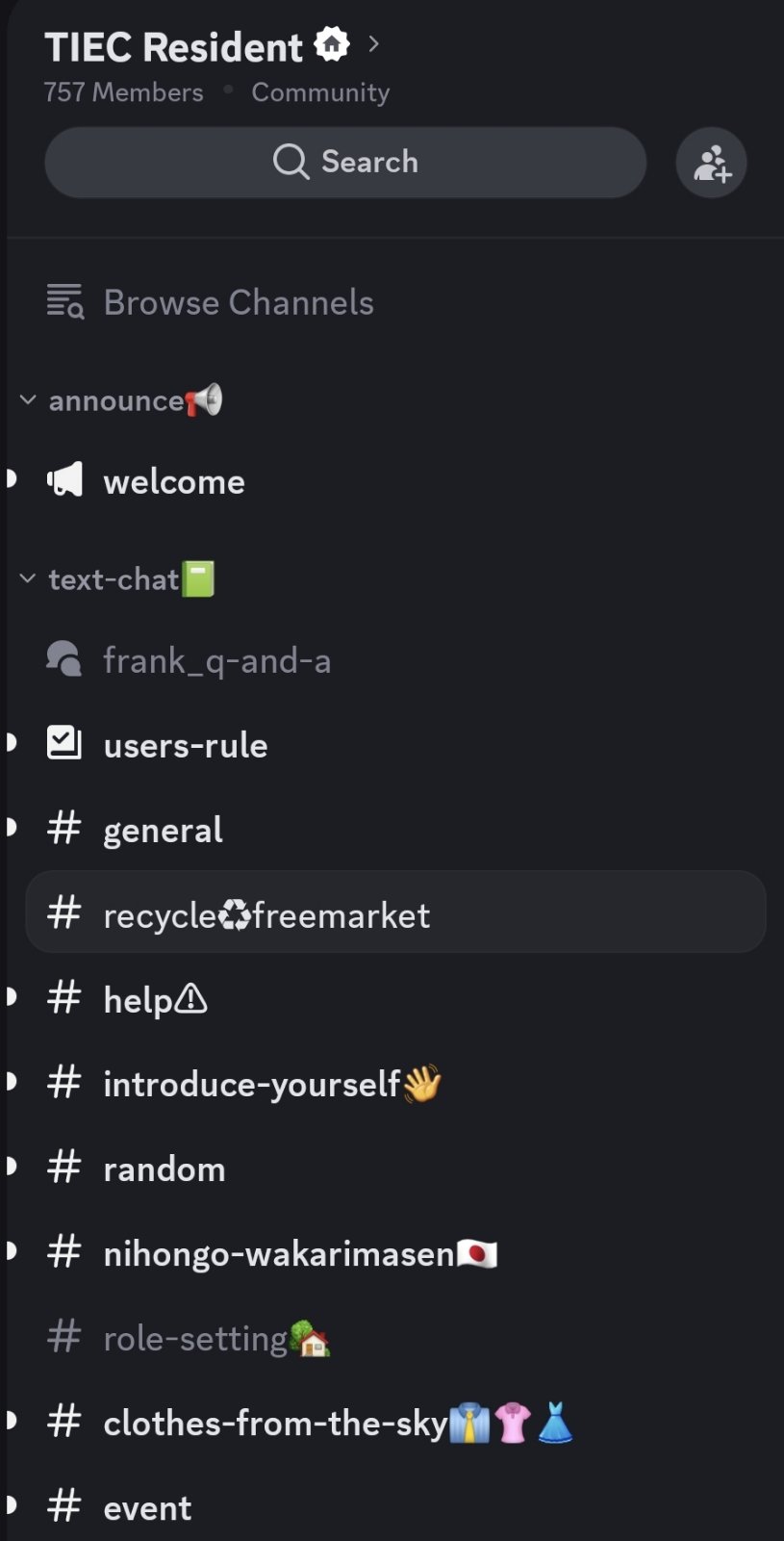
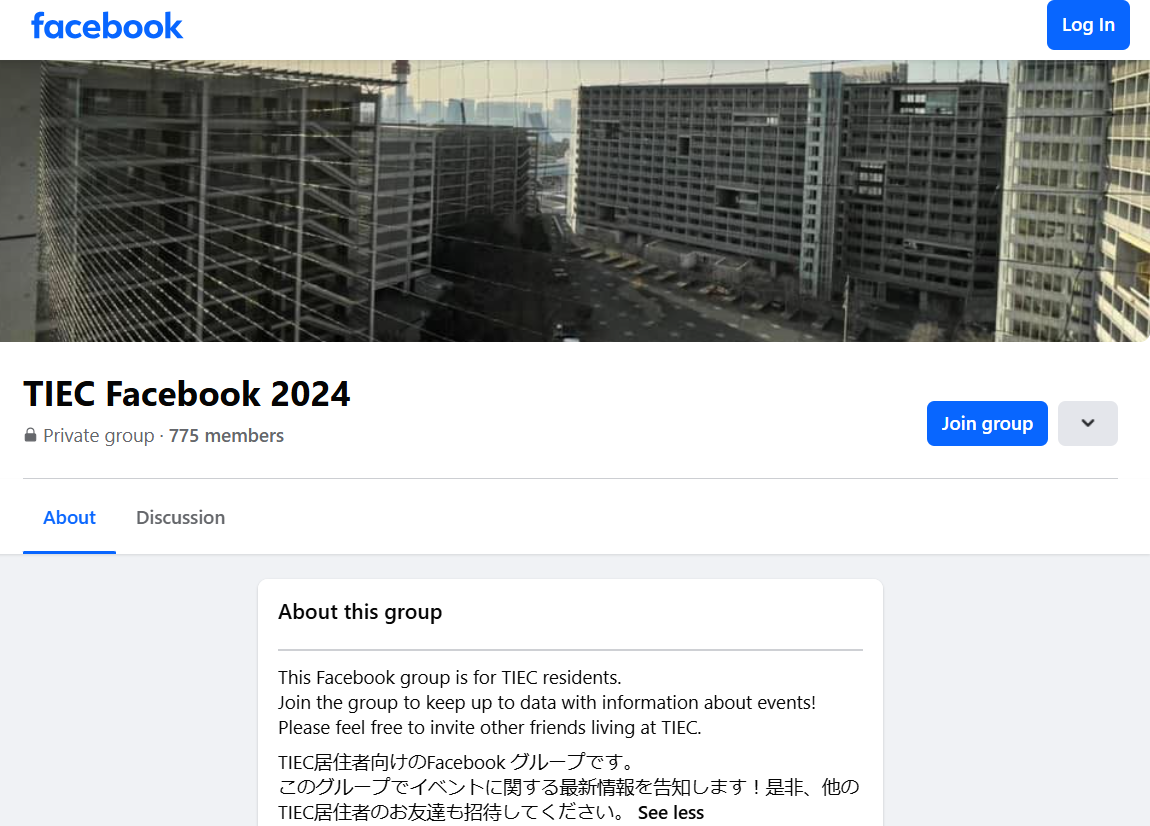
TIEC residents have a Discord channel and a Facebook group as a venue to connect, share updates, seek help, or give away items.
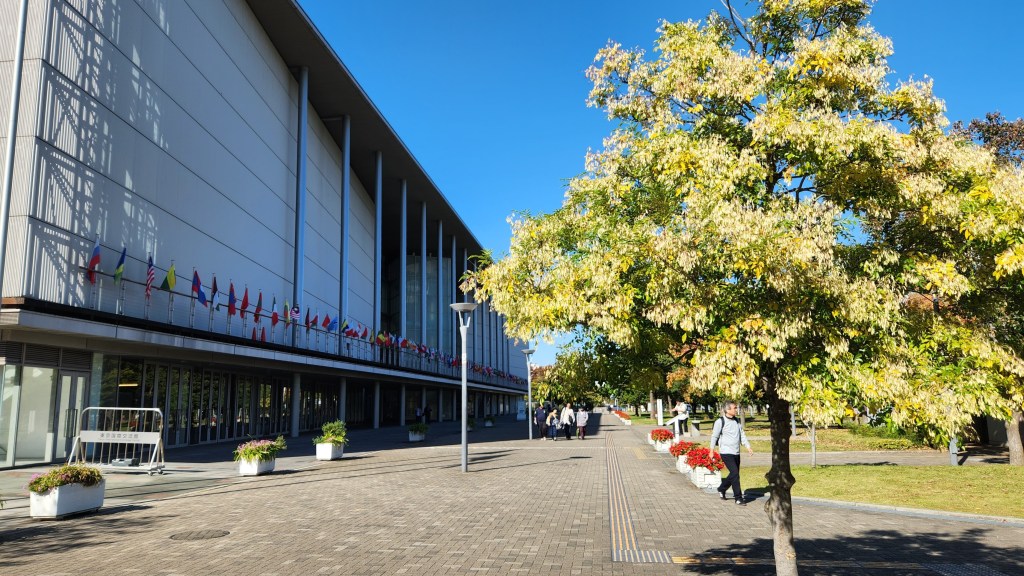
Nearby Places of Interest
Living at TIEC in Tokyo’s Odaiba district means you’re close to everything you need. And when you want to unwind, there are plenty of shopping malls, parks, and attractions nearby to explore.
Here are some notable places within close range of TIEC:
Daily Needs
Convenience Store
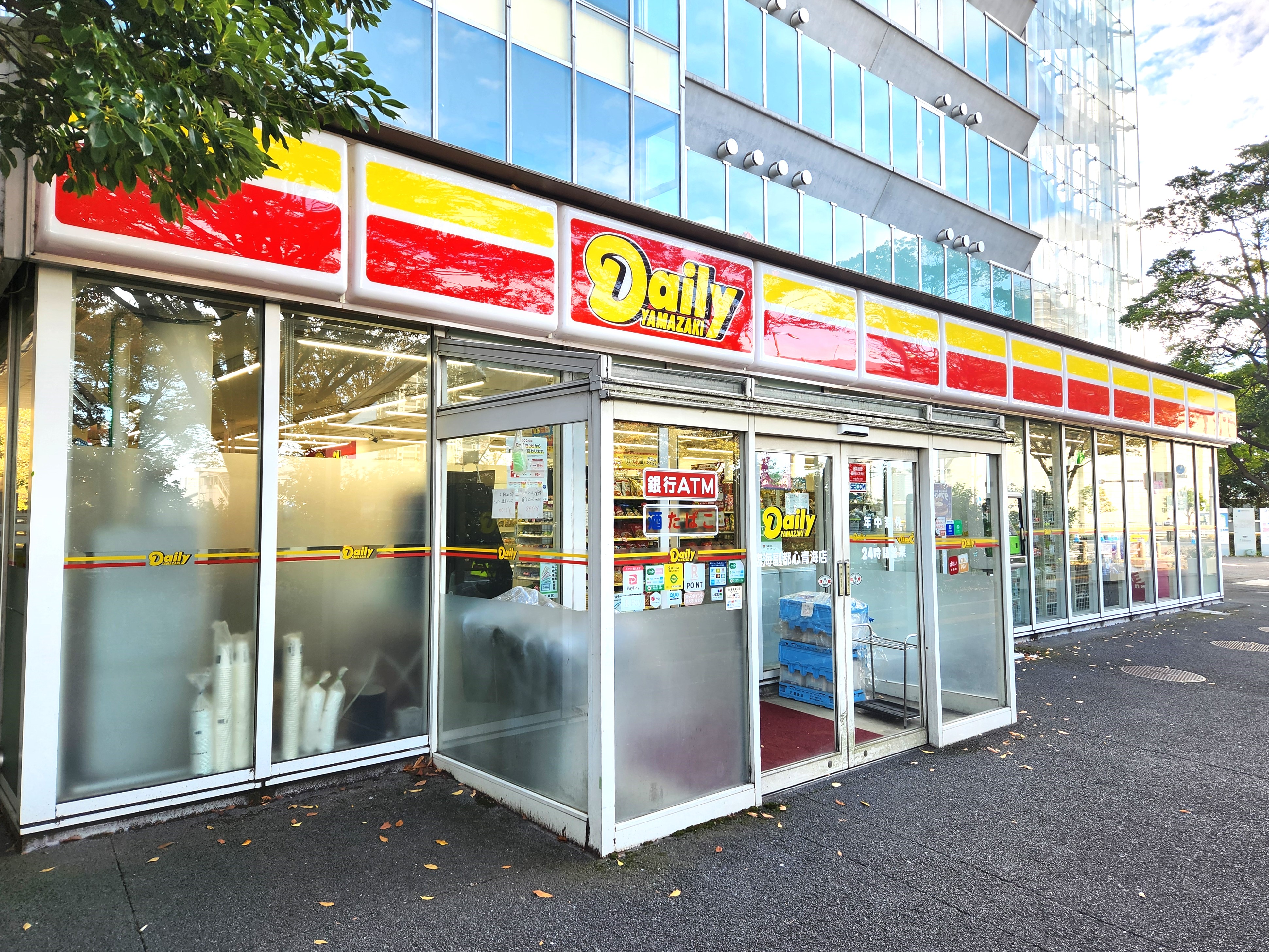
The nearest convenience store is Daily Yamazaki, located on the ground floor of Hall B, just near the road intersection. There aren’t many choices here, but it is the most convenient.
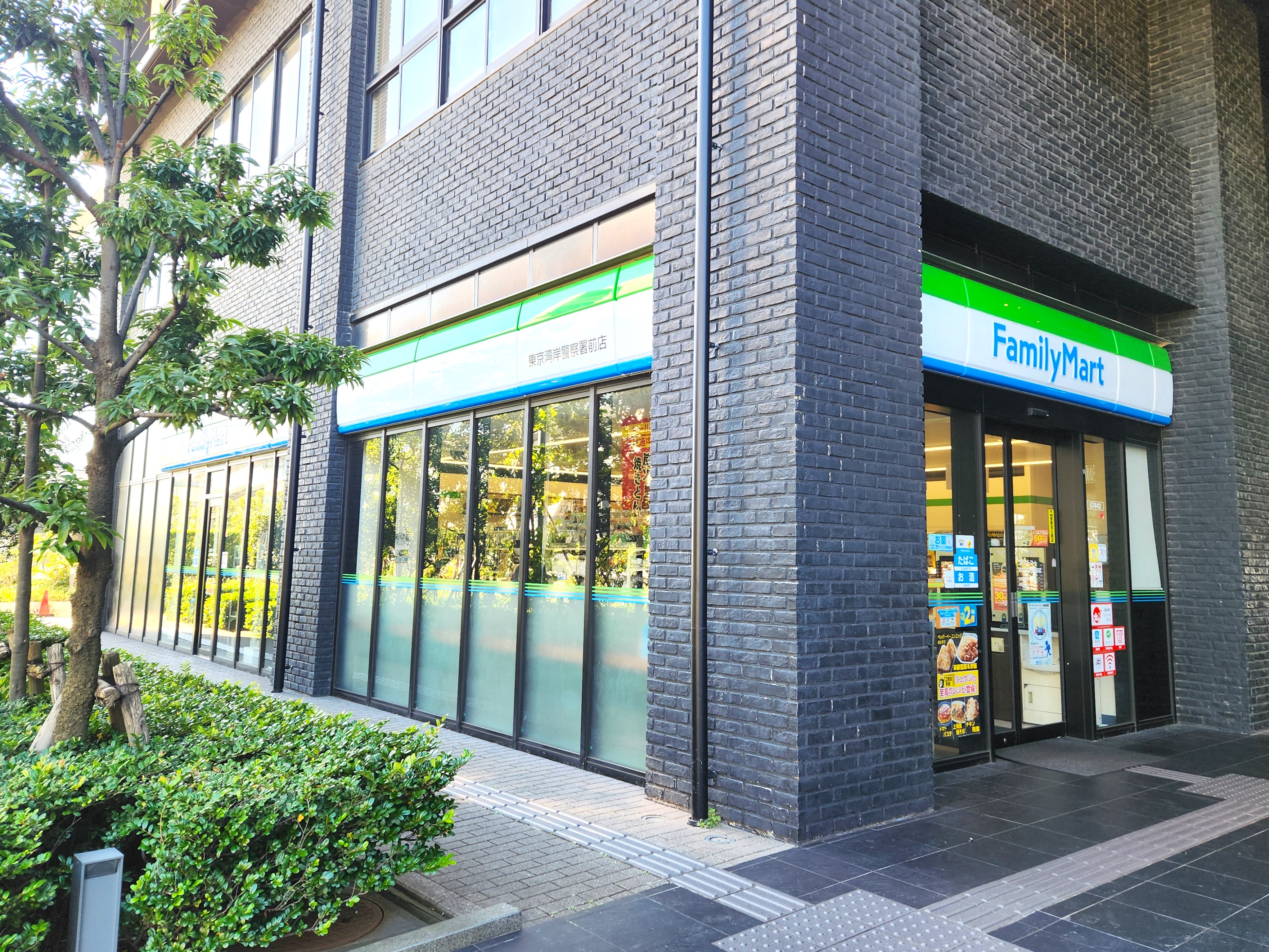
Another option is Family Mart, which is about a 3-minute walk from Hall C. It is on the ground floor of The Soho, a shared workspace and office building.
Grocery
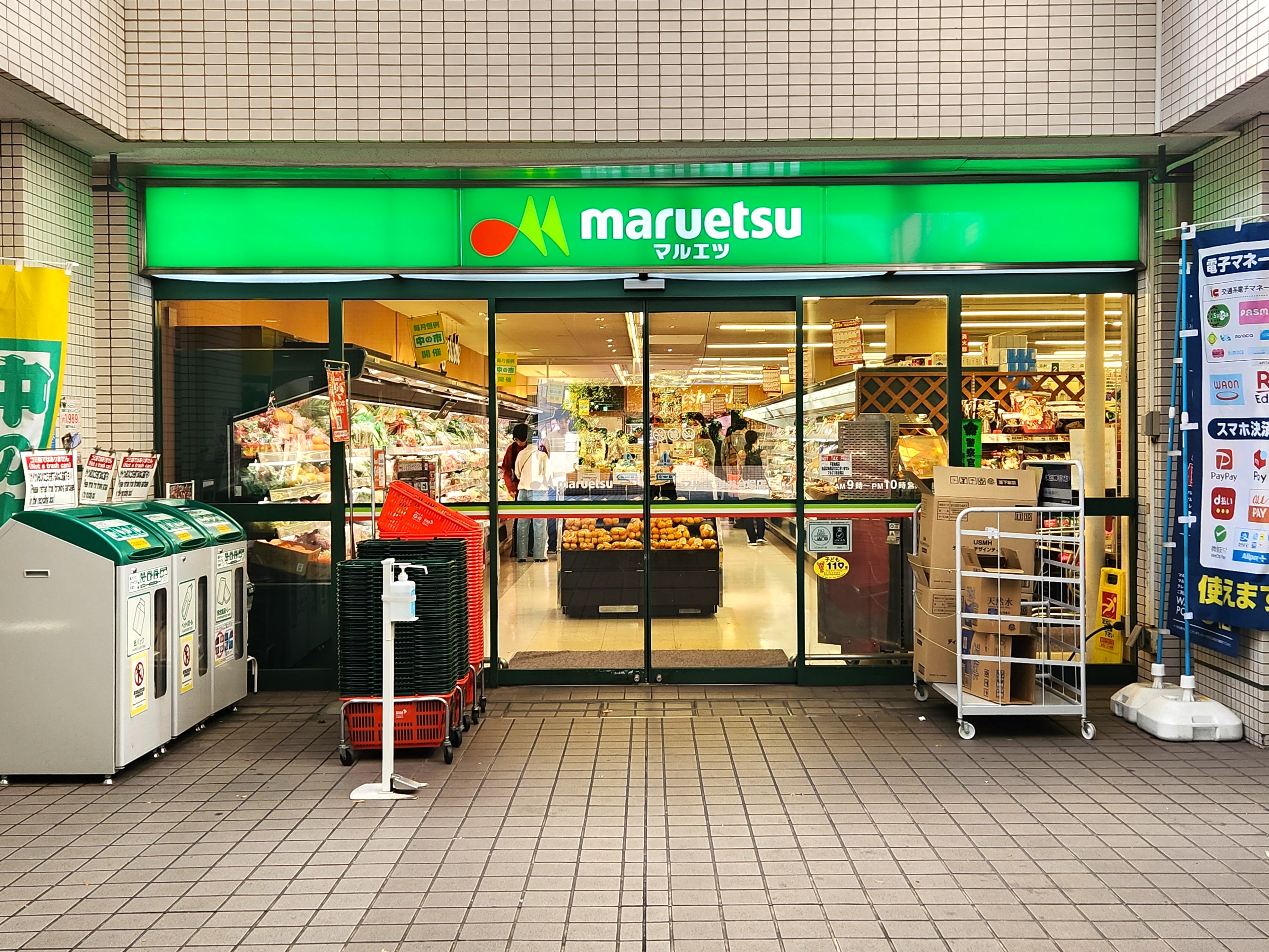
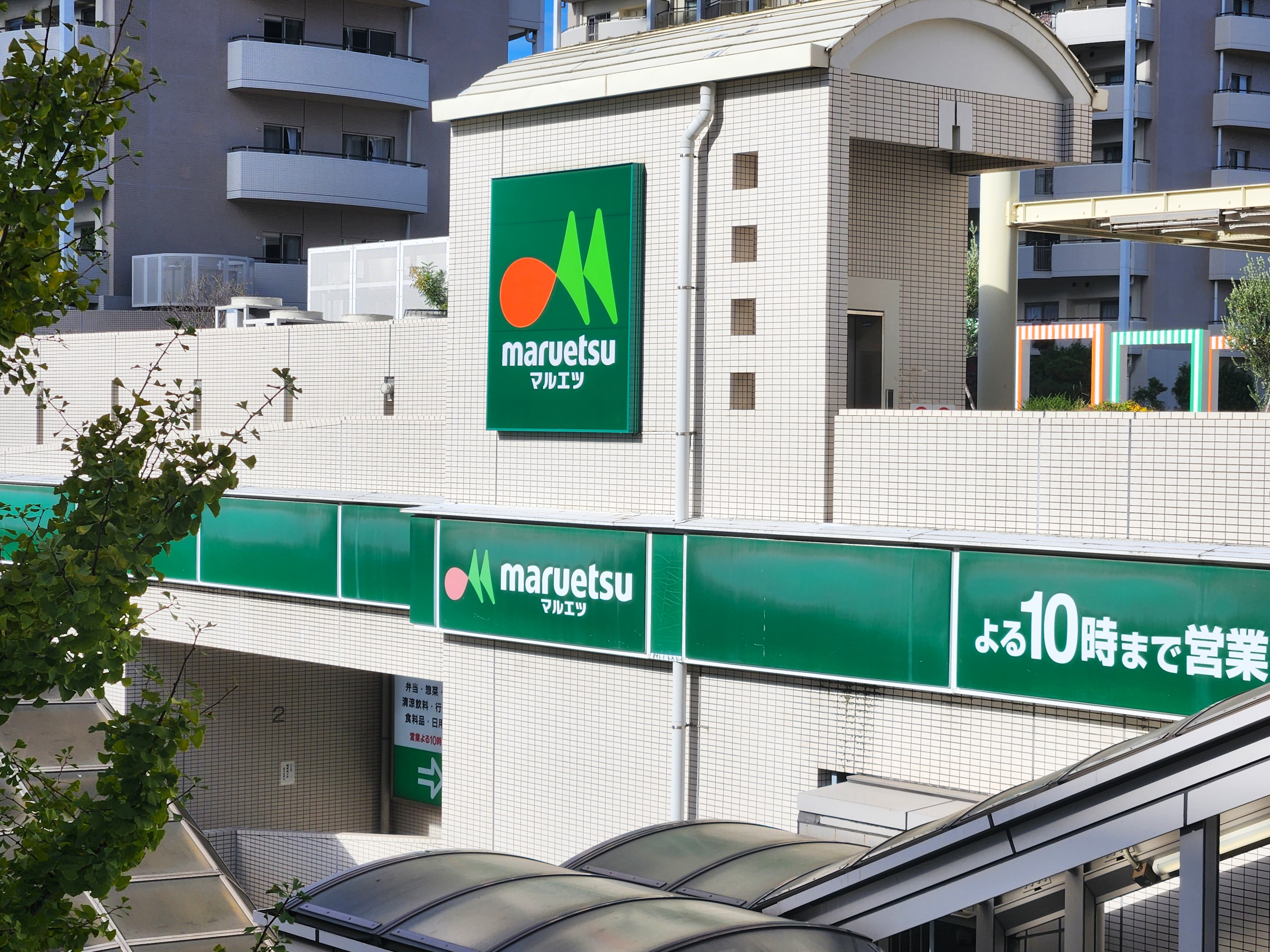
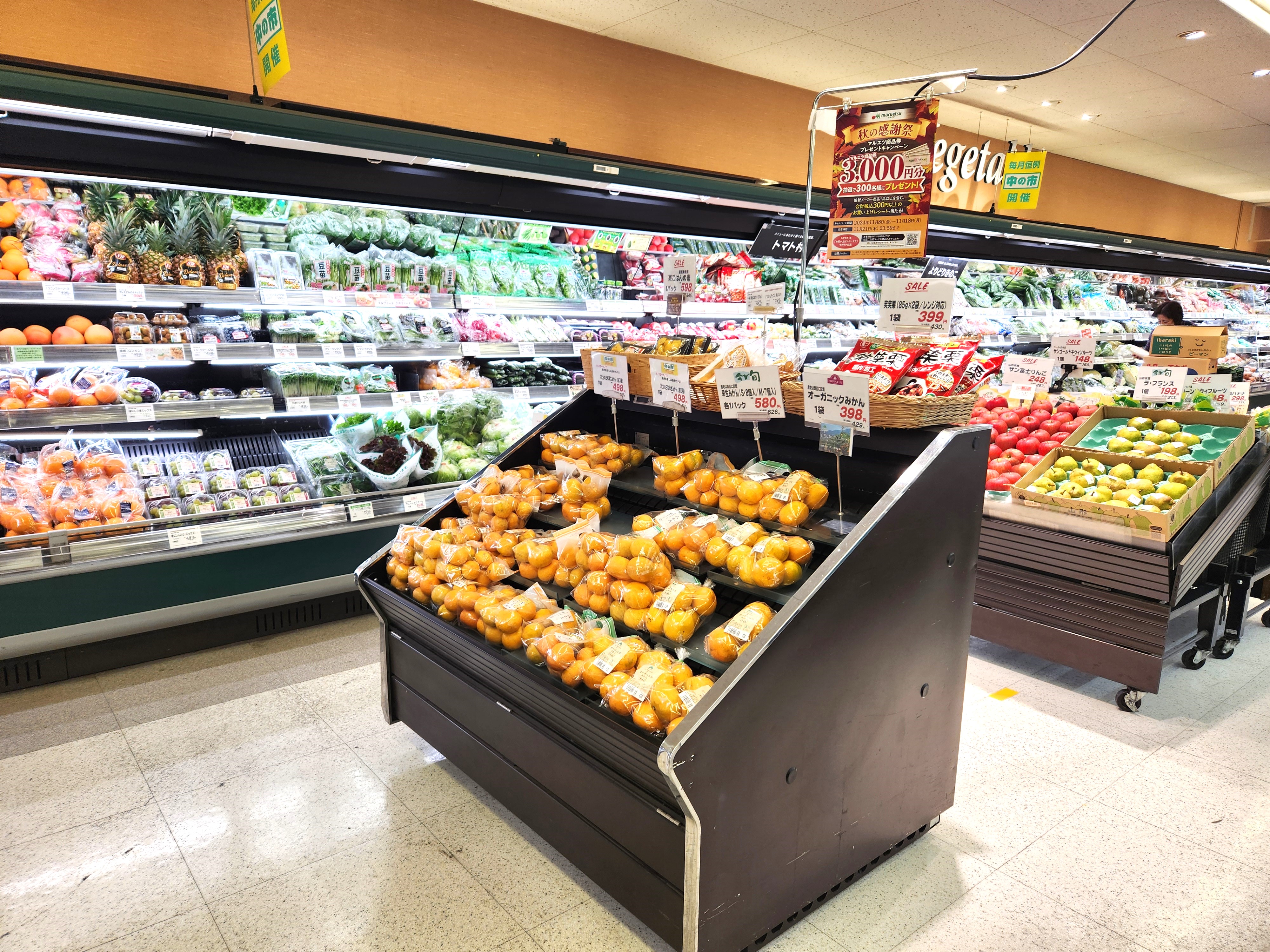
There are a few options for grocery stores that are accessible from TIEC. The most conveniently located is Maruetsu, just beside Odaiba-Kaihinkouen station on the Yurikamome line. It is open from 9 am to 10 pm.
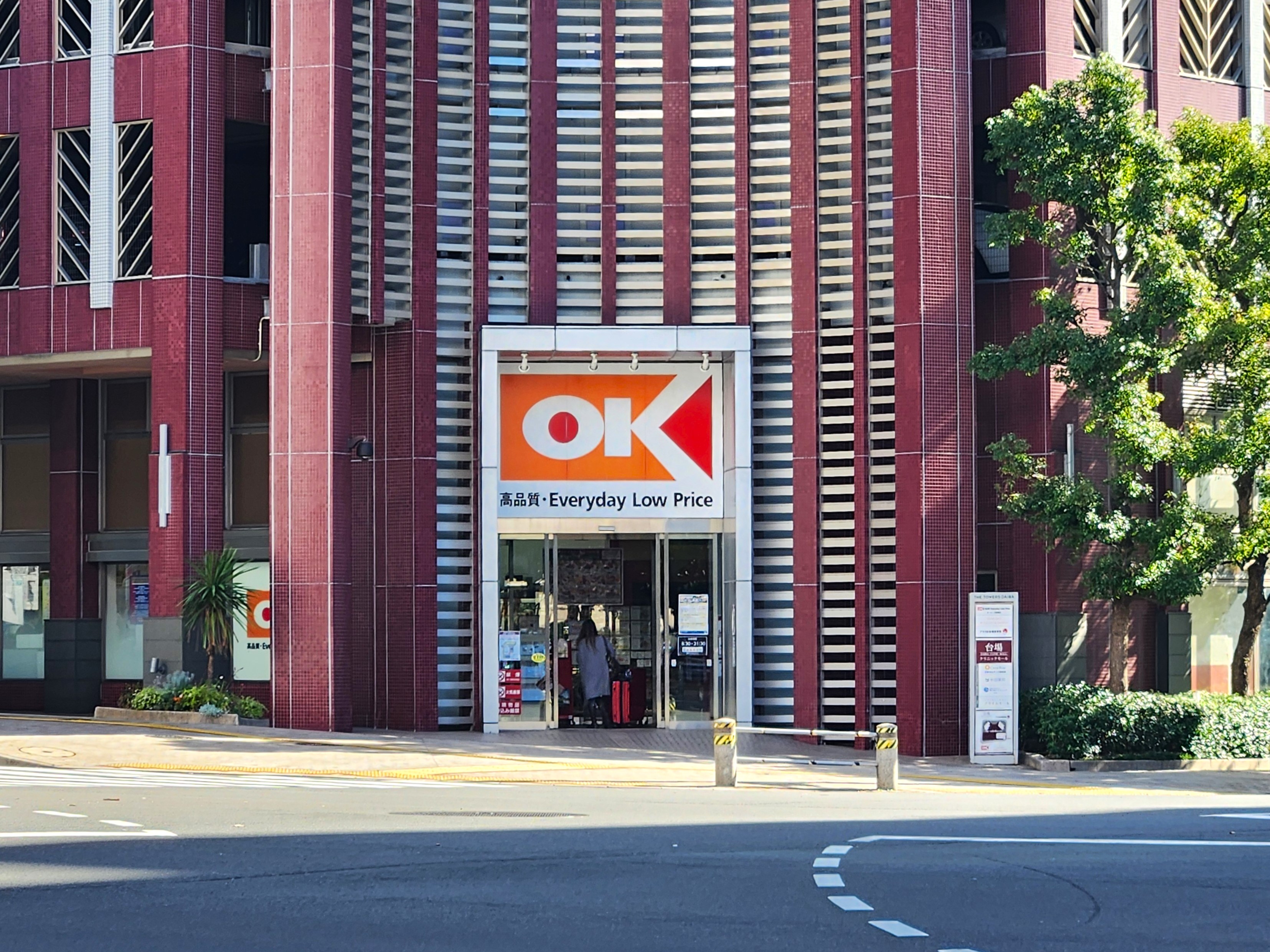
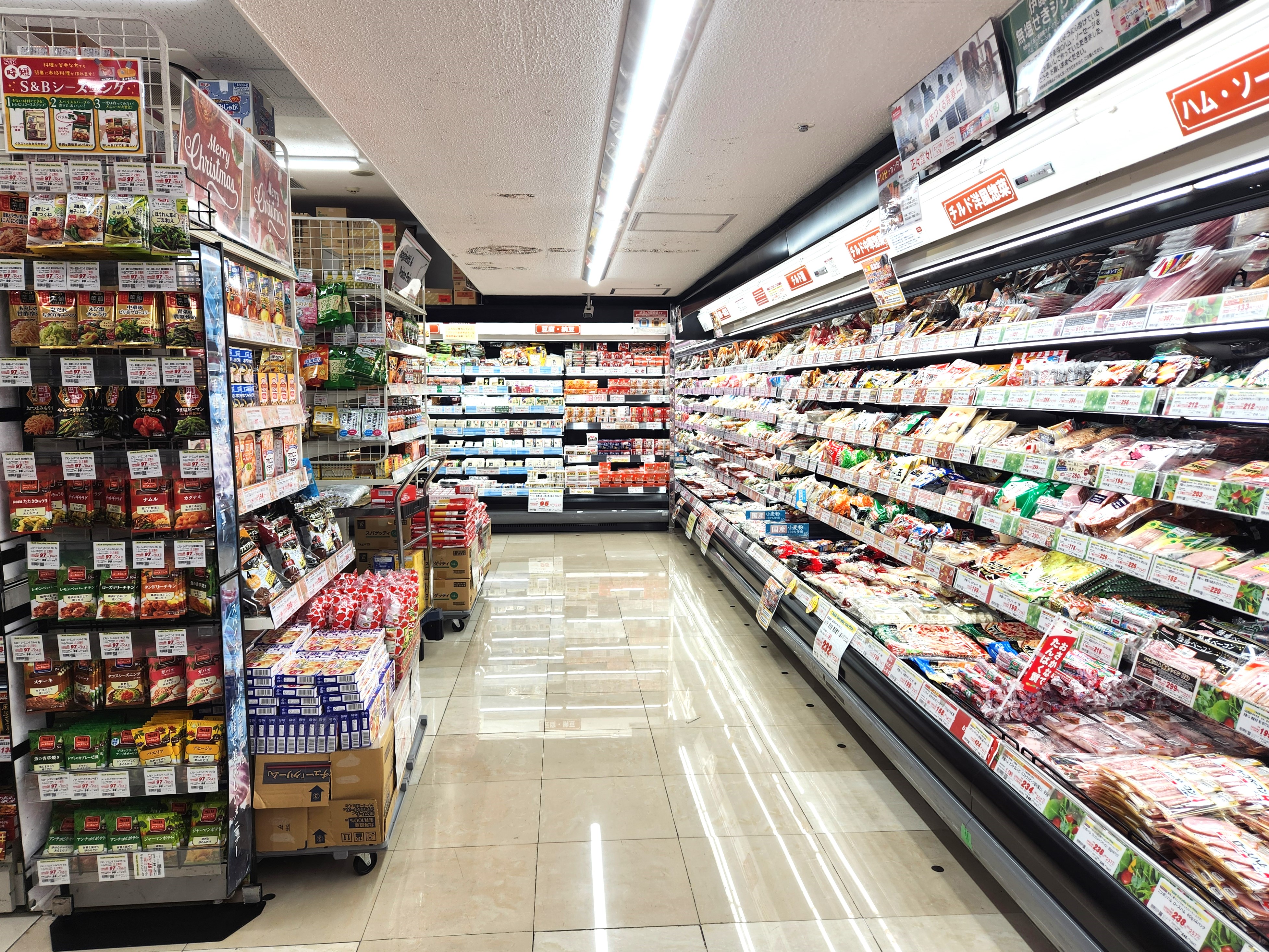
A short walk from the same station is OK Store. It’s smaller than Maruetsu, but it might be worth checking out if you want to explore more options. It opens at 8:30 am and closes at 9:30 pm.
Although not located near TIEC, you can also consider AEON Style in Ariake Garden, a 5-minute walk from Ariake station on the Yurikamome line. It is the largest supermarket that is a short train ride away. It operates from 8 am to 11 pm.
Post Office
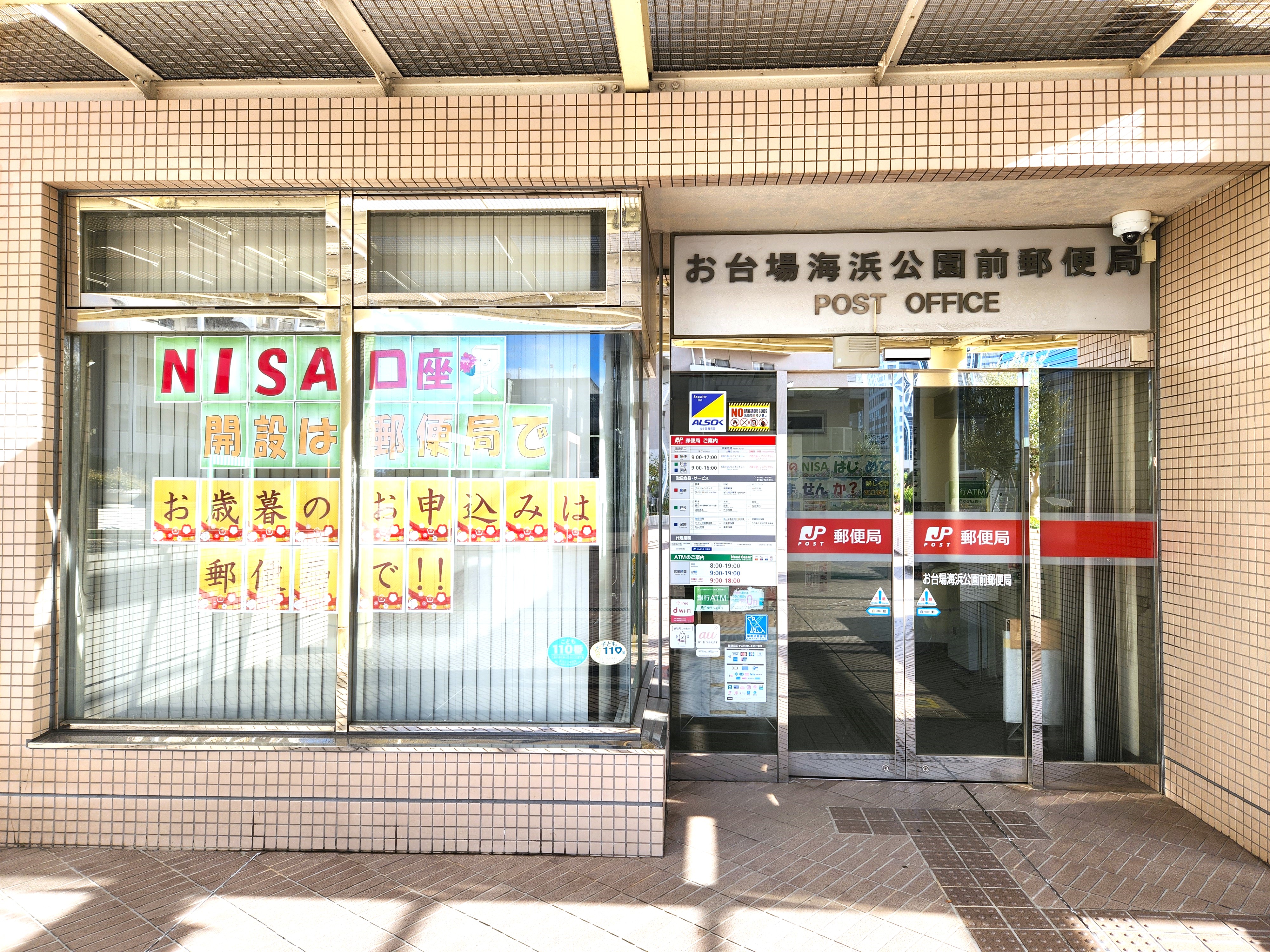
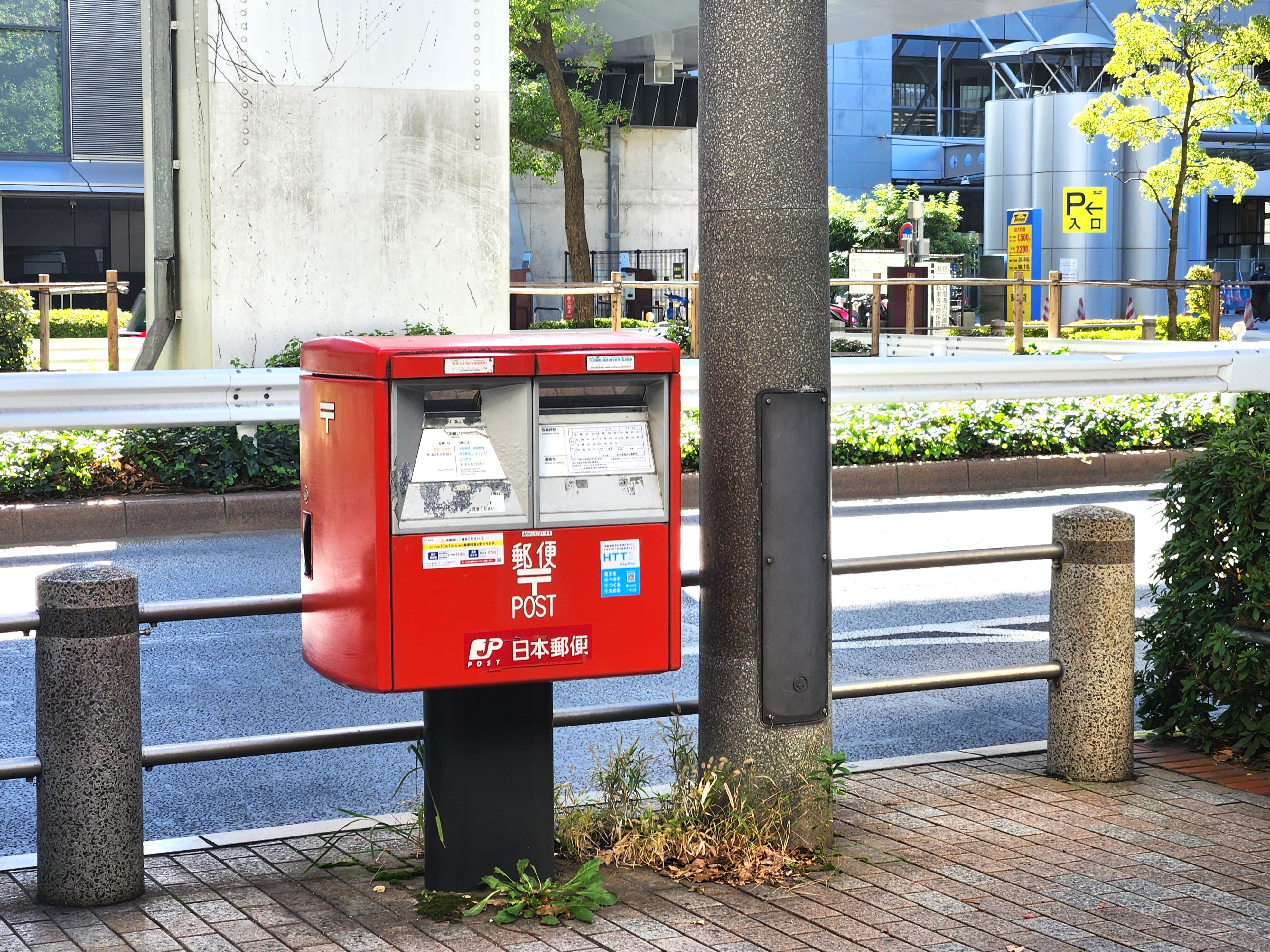
Japan Post is also located near Odaiba-Kaihinkouen station, in the same building as Maruetsu. You can send letters or documents overseas and buy letterpacks, among other standard mail services.
If you simply need to drop off mail at a post box, the nearest ones are (again) near Odaiba-Kaihinkouen station, at street level as soon as you descend the stairs or escalator of the station.
Another post box is in front of Telecom Center, which is about a 7-minute walk from TIEC. The post office is inside the building.
Bank
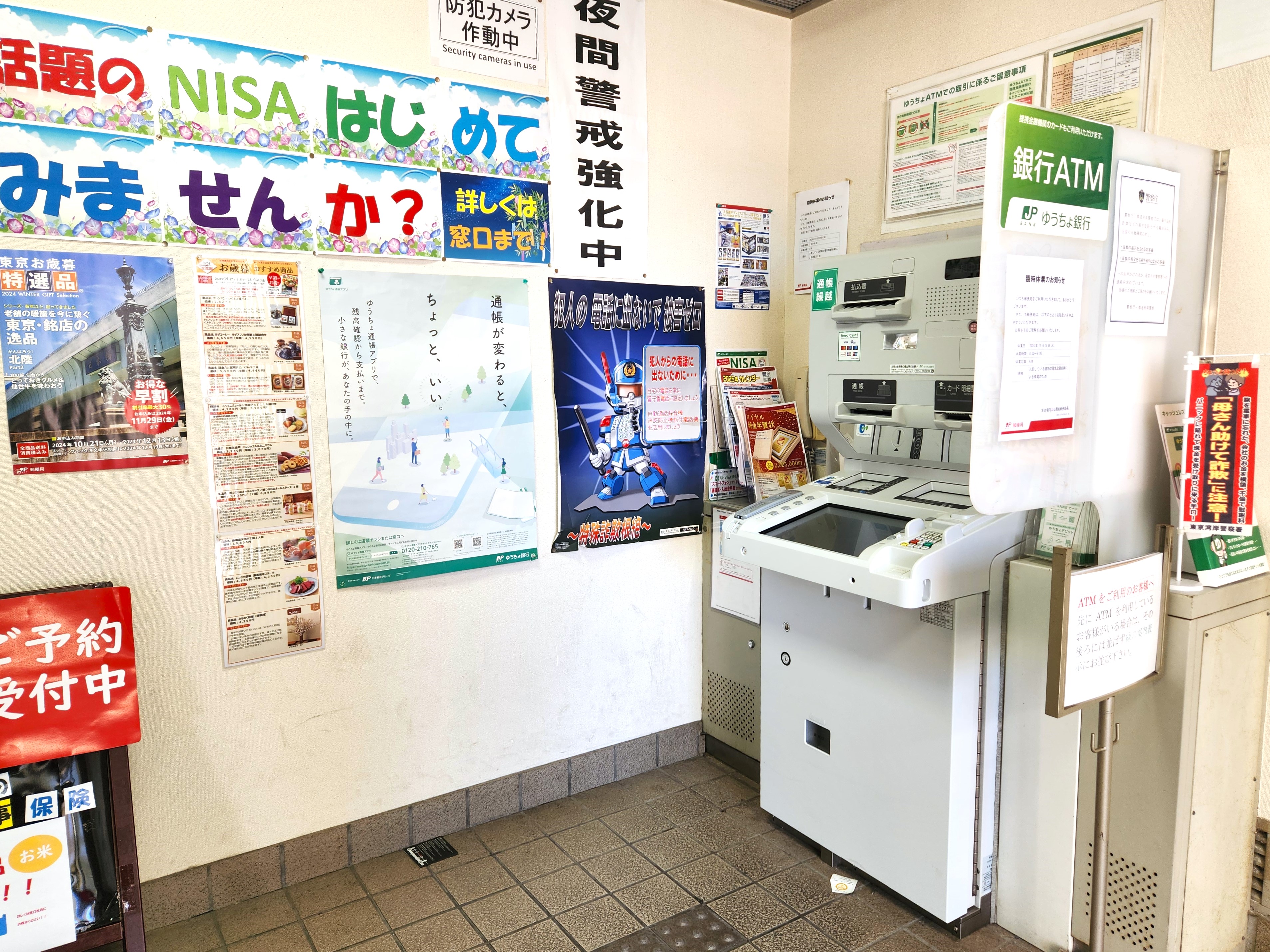
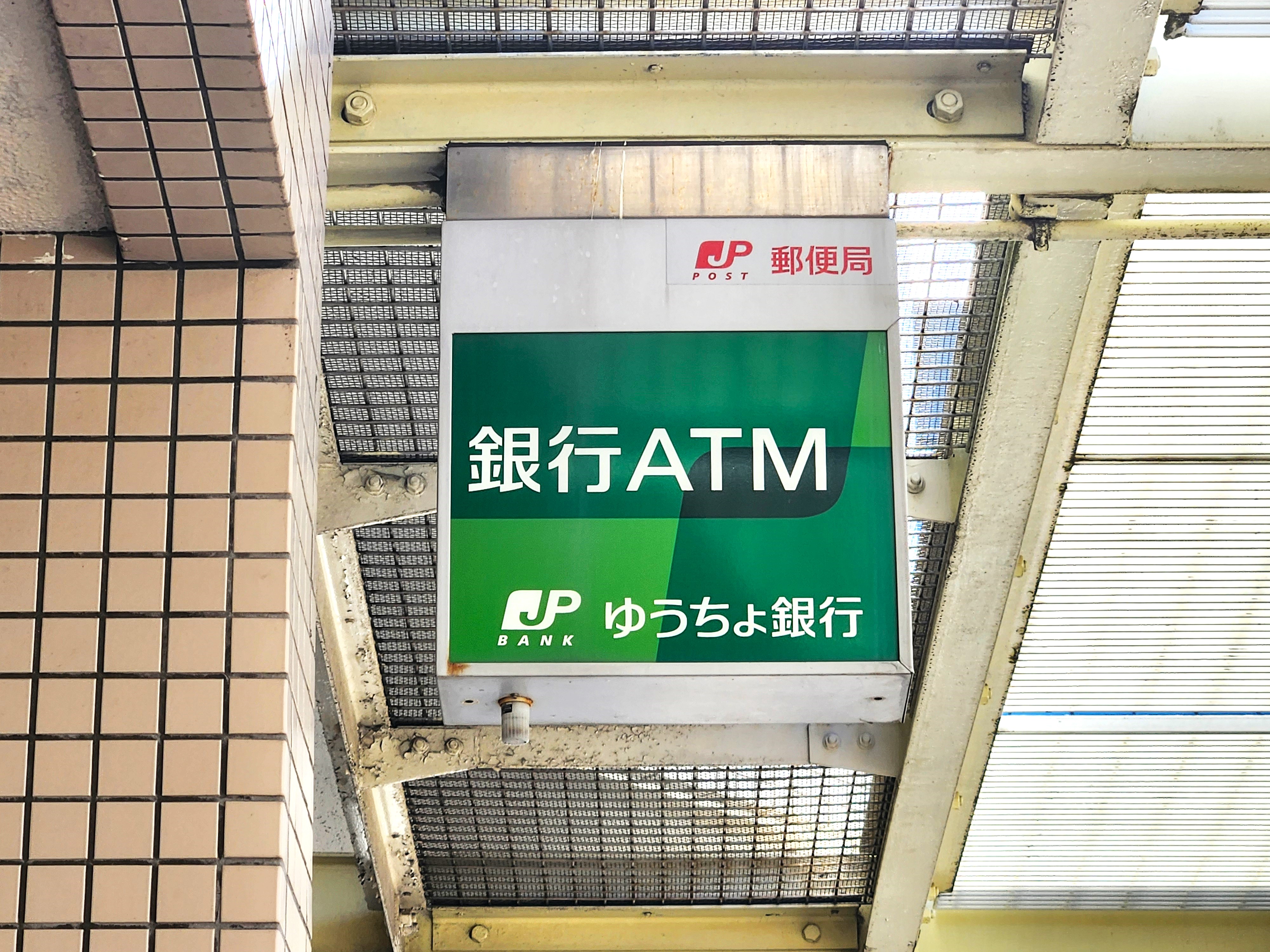
Japan Post Bank (or Yucho bank) is recommended for foreign students and temporary residents. MEXT scholars are also required to use Japan Post Bank to receive their monthly stipend.
Japan Post Bank normally shares the same space as Japan Post Office, so you can find it in the Odaiba-Kaihinkouen branch as well. It is open from 9 am to 5 pm, although you can use the ATM until 7 pm.
The other accessible branch is in Telecom Center. However, if your commuter pass covers the route to Shimbashi, going to the Odaiba-Kaihinkōen branch is more convenient.
ATM’s are also found inside convenience stores, but they can charge higher transaction fees than your bank of account. Thankfully, the nearby Family Mart has a Japan Post Bank ATM.
Recreation
Shopping Mall
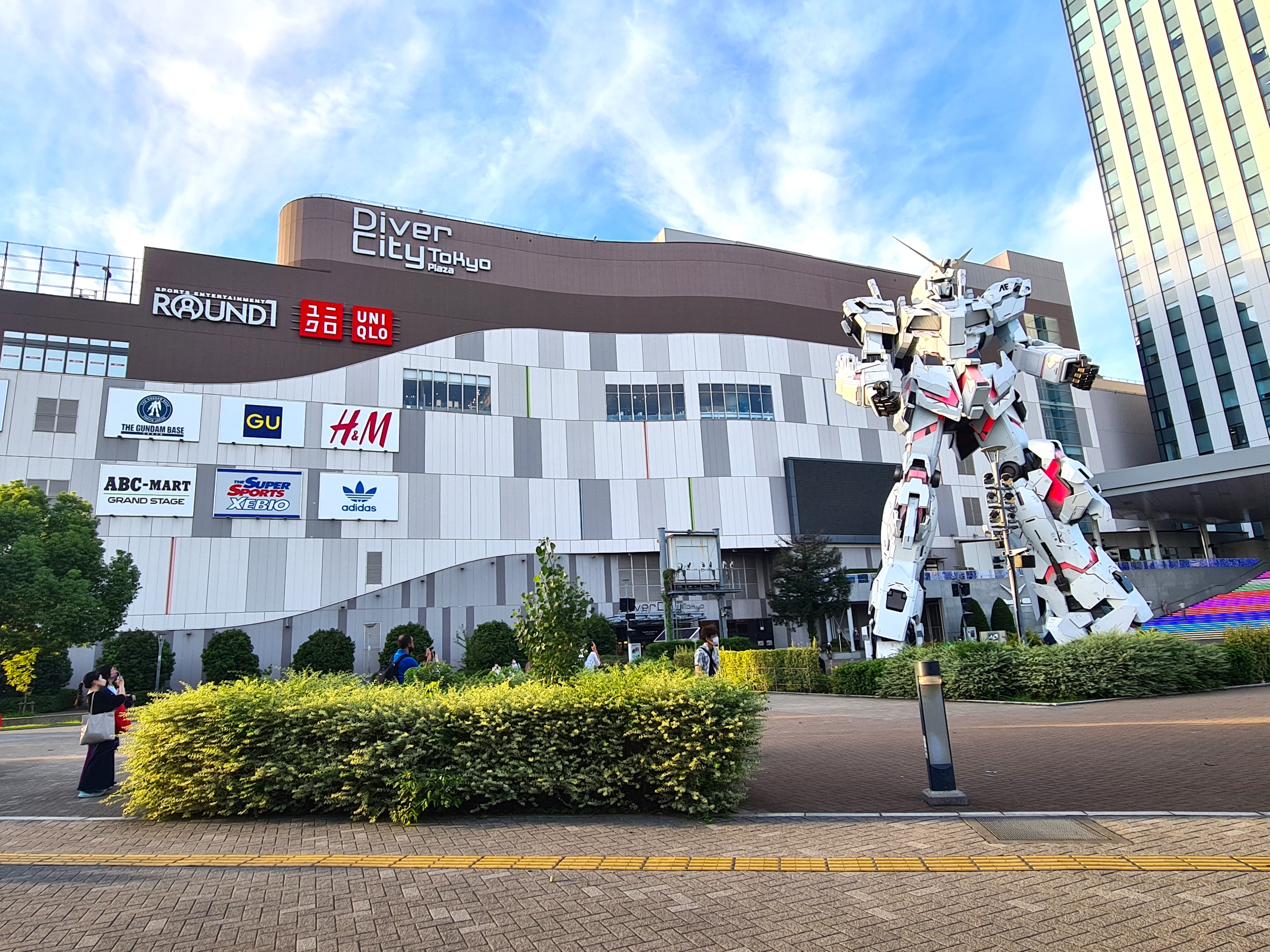
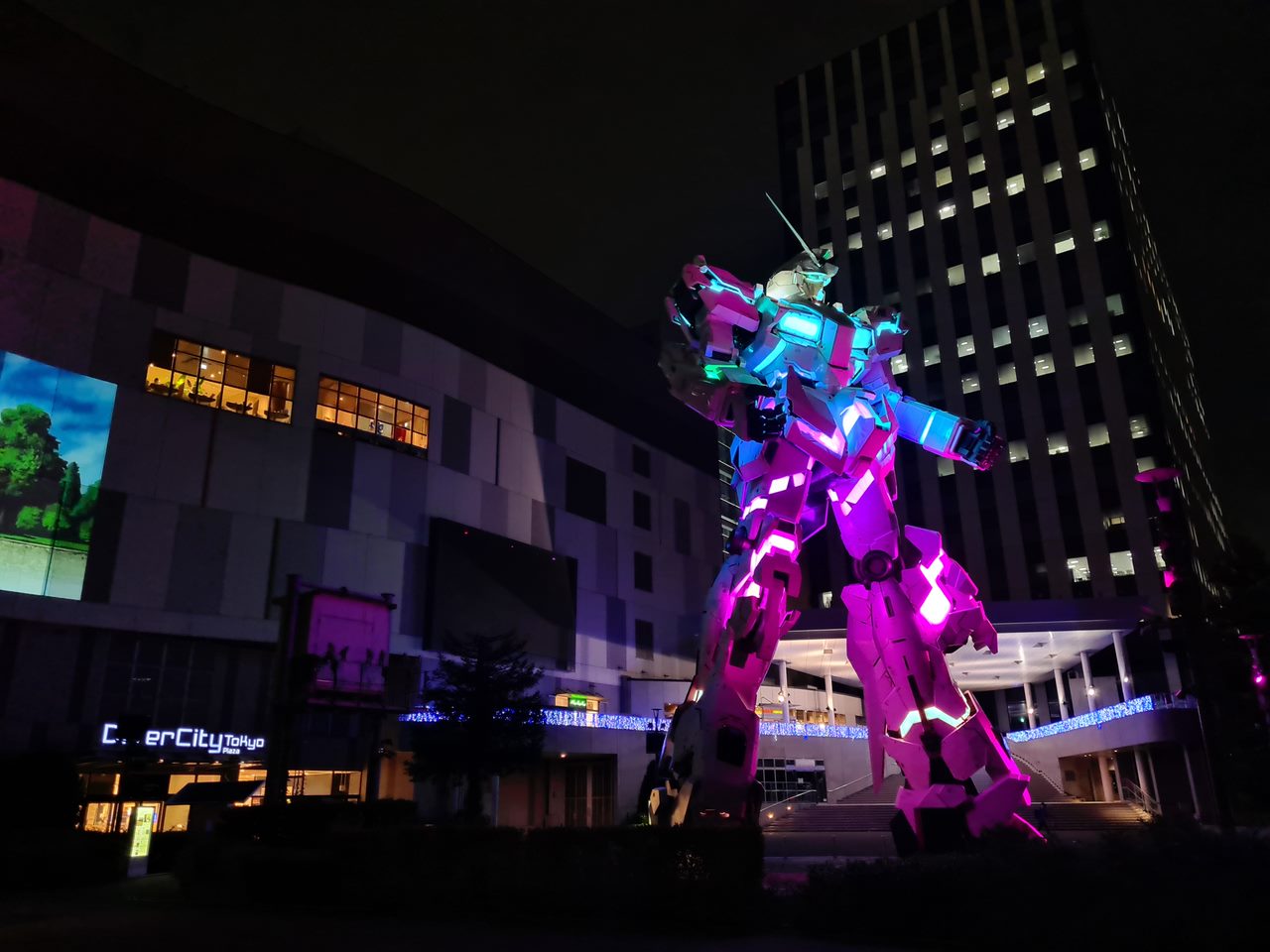
The nearest mall is Diver City, which can be accessed in 5 minutes on foot. You’ll easily recognize this shopping mall with the huge Unicorn Gundam statue at its front plaza.
You’ll find staple Japanese stores such as Uniqlo, GU, Daiso, and Don Quijote here. Diver City also has a game arcade and karaoke.
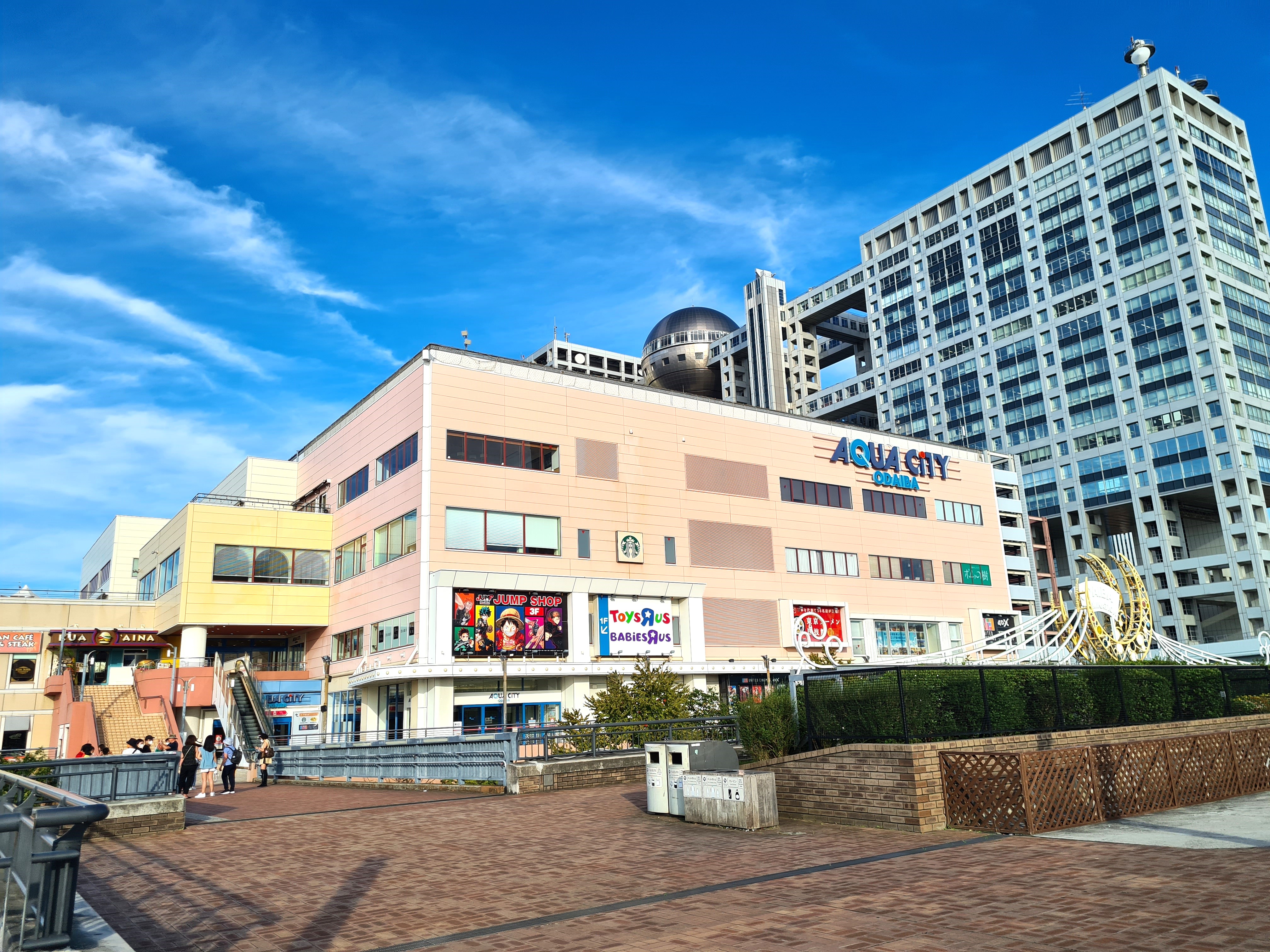
Aqua City is another shopping mall with a variety of dining and shopping options. From Diver City, you can cross a wide pedestrian bridge over the highway to reach it. Alternatively, you can drop off at Daiba station on the Yurikamome line.
Aqua City has Nitori Express for your housing needs. It also has a multiplex cinema and a popular ramen food court.
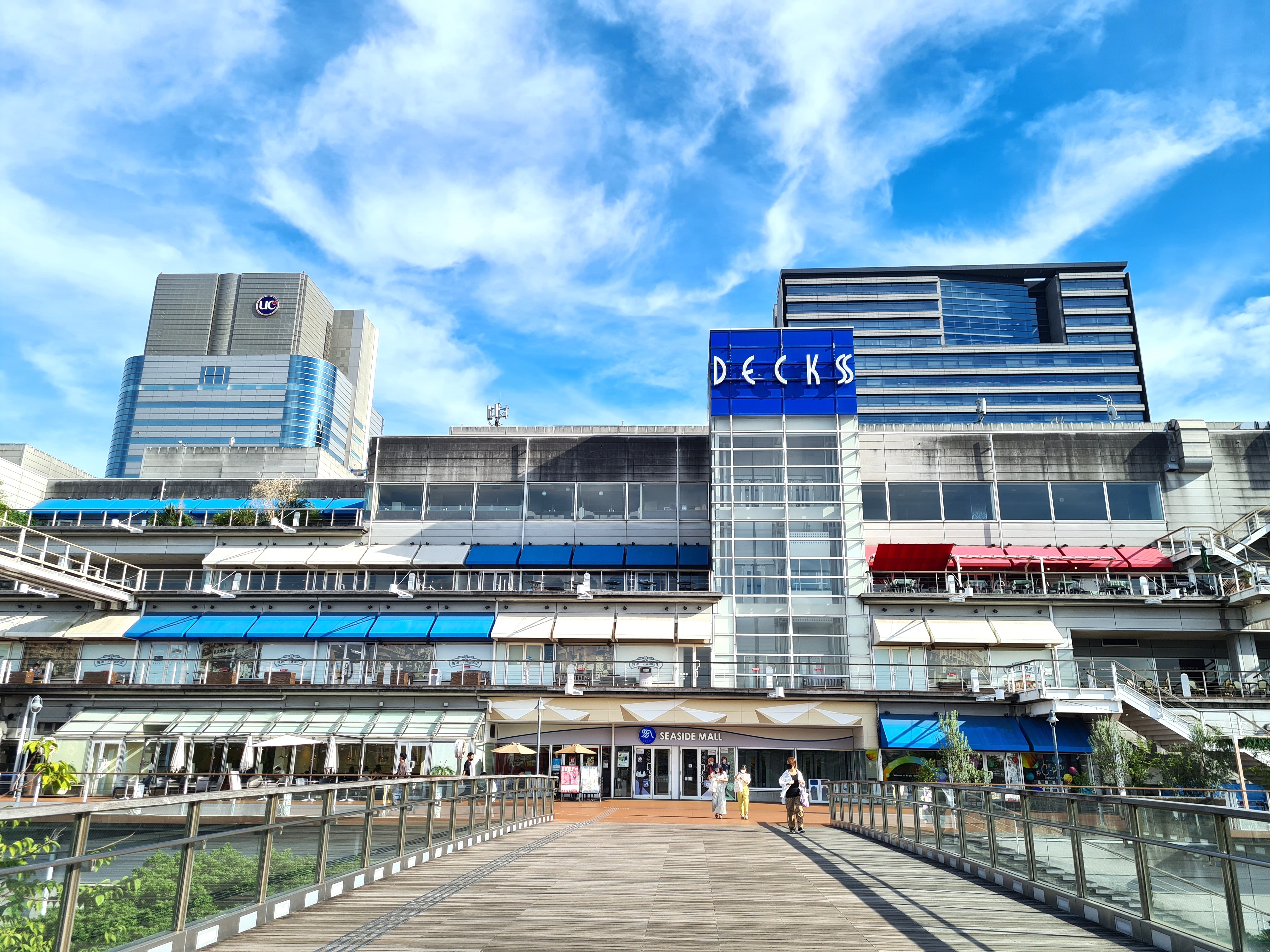
DECKS Tokyo Beach is the third nearby shopping mall. It is just beside Aqua City, and it is a short walk from Odaiba-Kaihinkouen station.
It is a shopping mall with unique attractions including Joypolis, an indoor theme park, Tokyo Trick Art Museum, and the Madame Tussauds Wax Museum. Here, you’ll also find a much bigger Daiso store than the one in Diver City.
Park
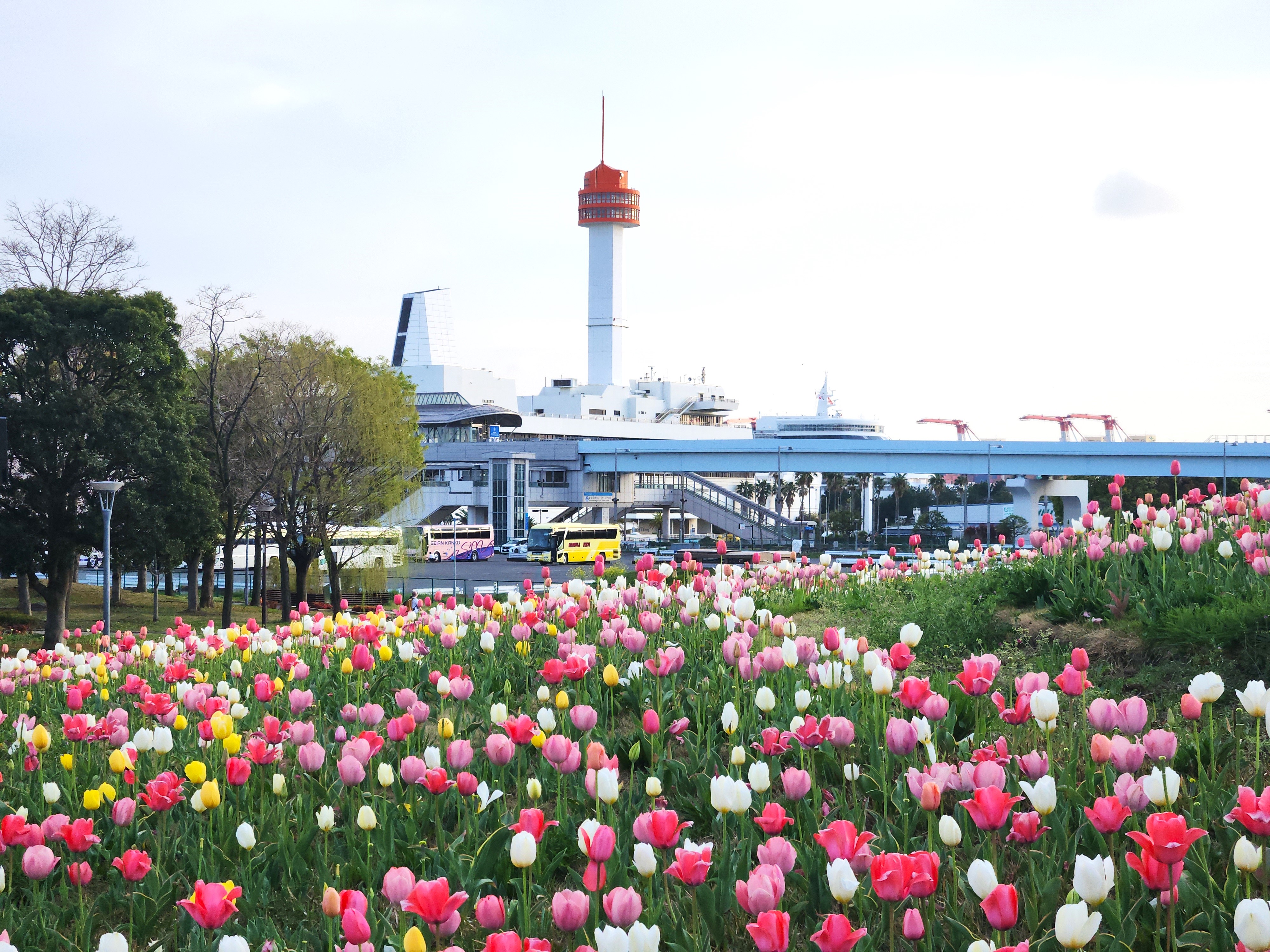
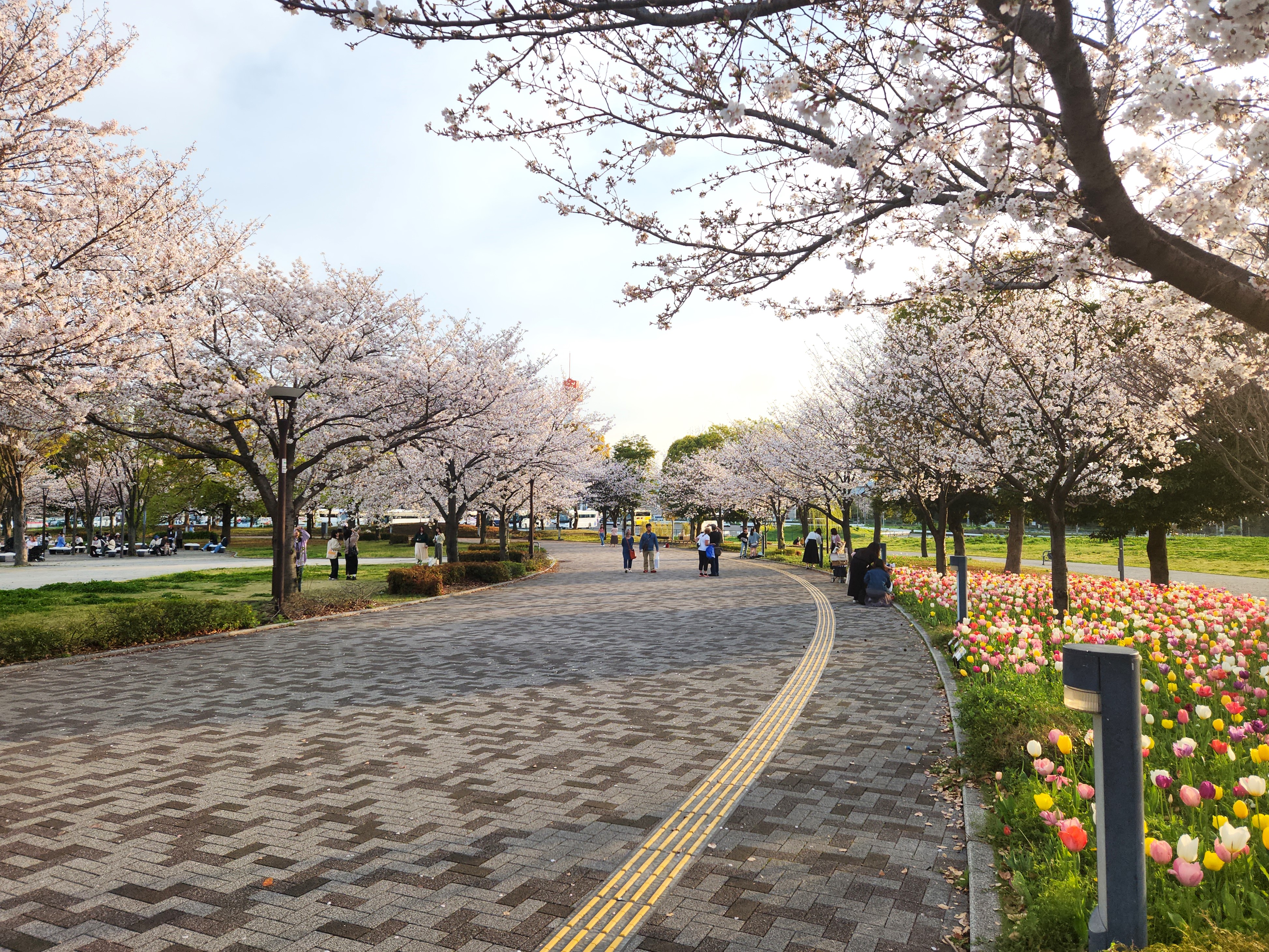
One of the nearest parks to TIEC Residence Halls is Symbol Promenade Park. It is the park just in front of Diver City. It is especially beautiful in spring with cherry blossoms and tulips, and in summer with hydrangea flowers.
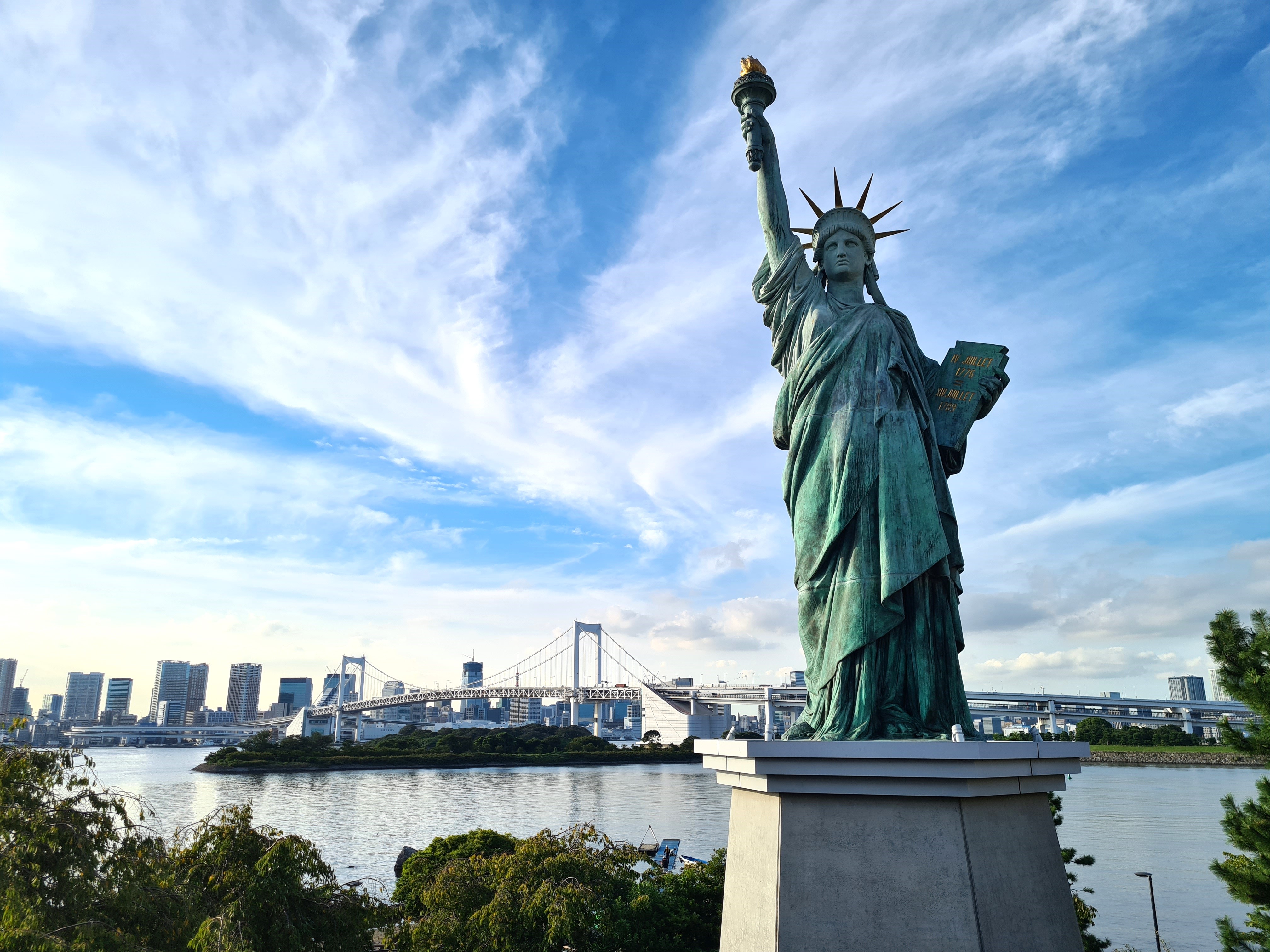
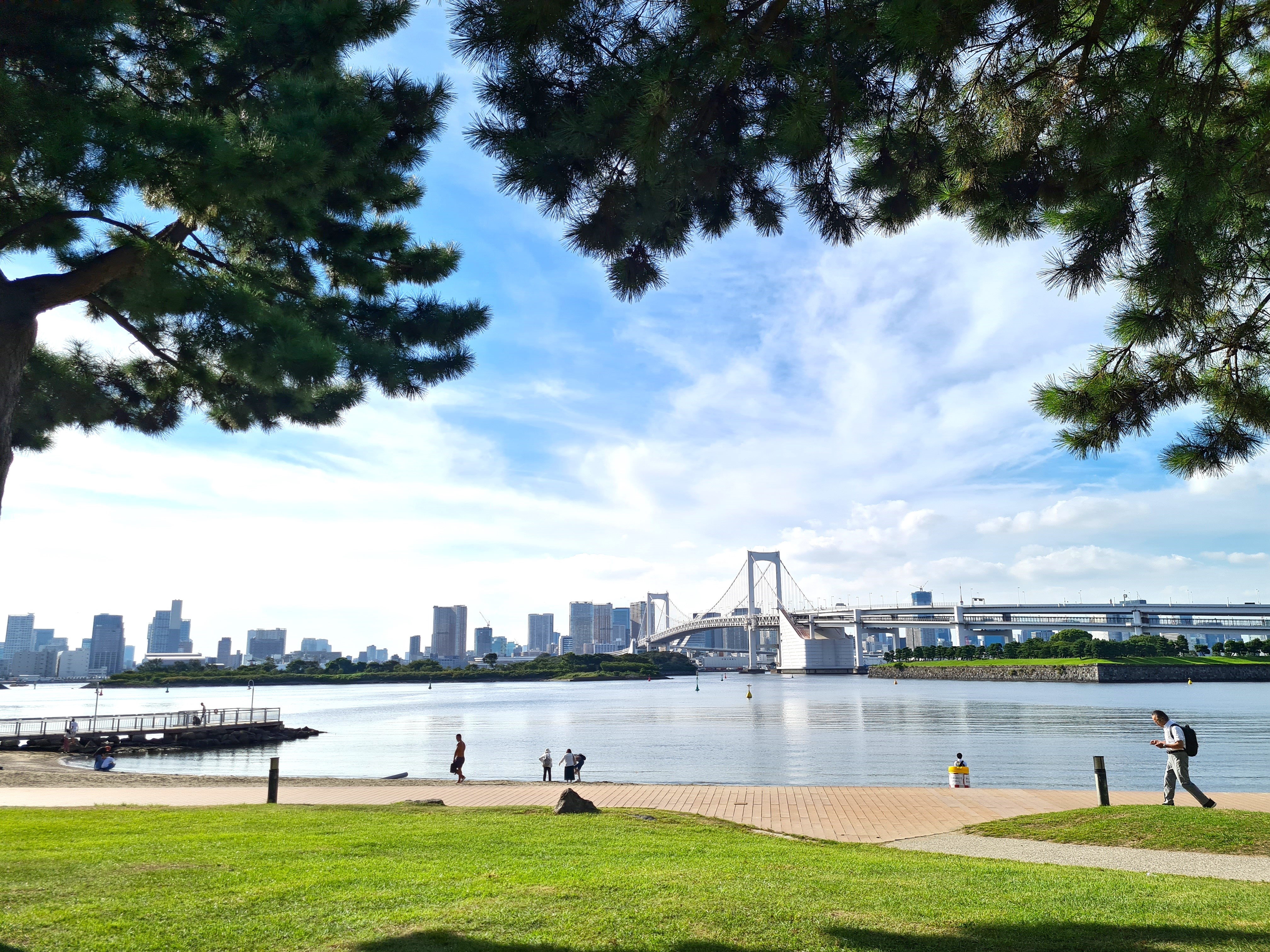
If you want to relax while appreciating the waterfront views, head to Odaiba Seaside Park, just beside Aqua City and Decks. It’s a great place for walking and picnicking too.
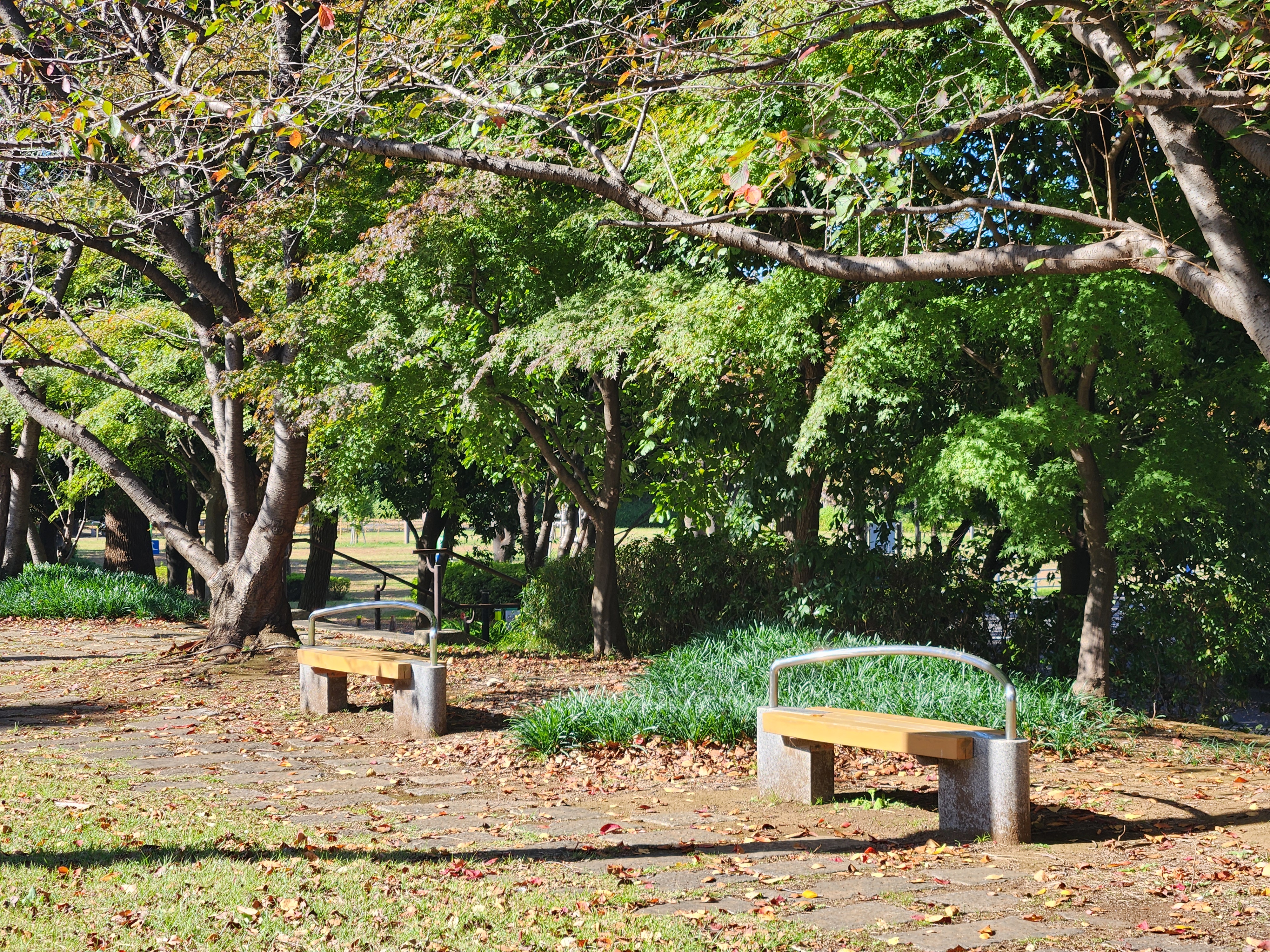
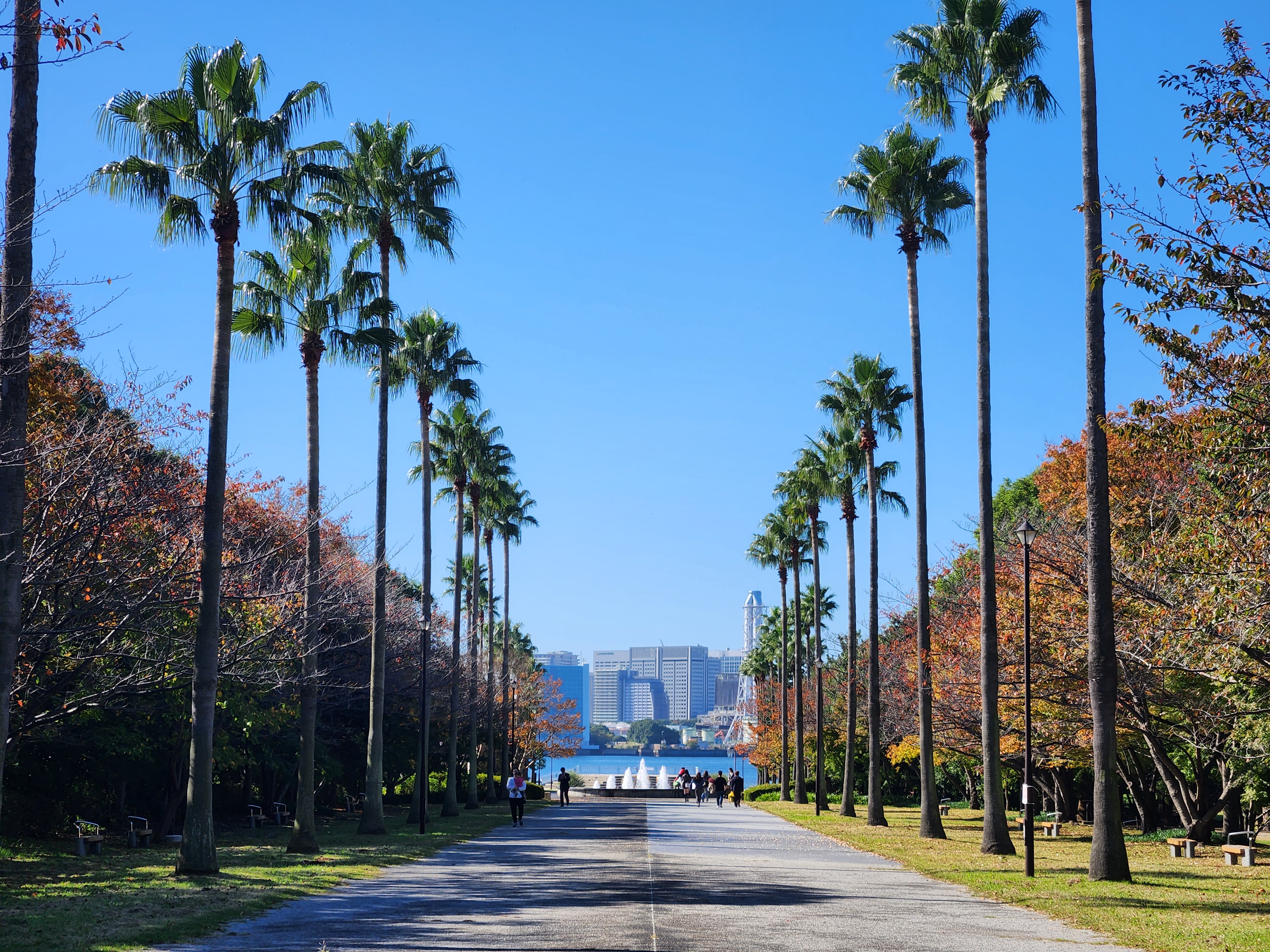
A quieter option is Shiokaze Park, which is just on the other side of Tokyo International Cruise Terminal on the Yurikamome line. It’s perfect for a jog or stroll.
Museum
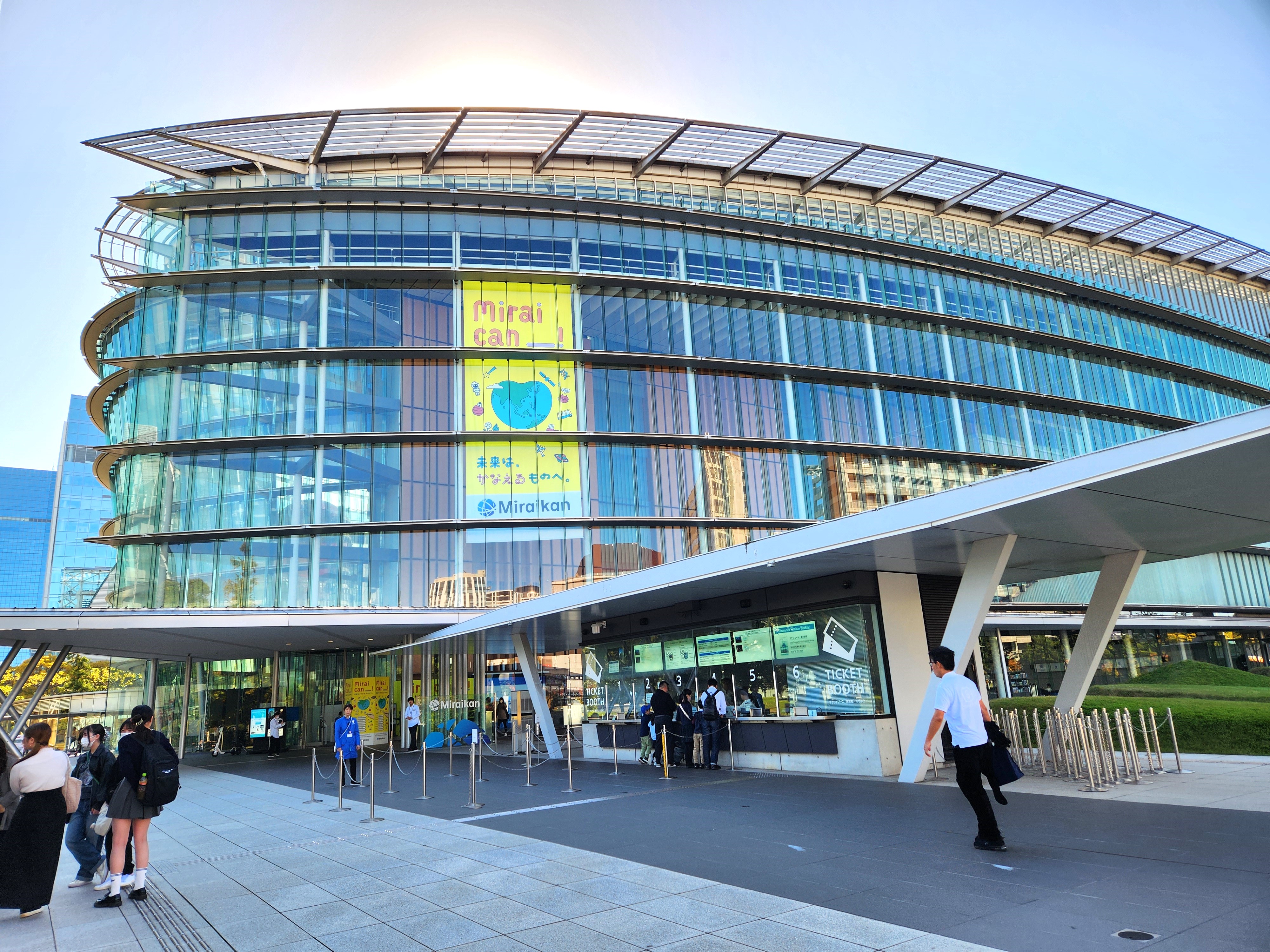
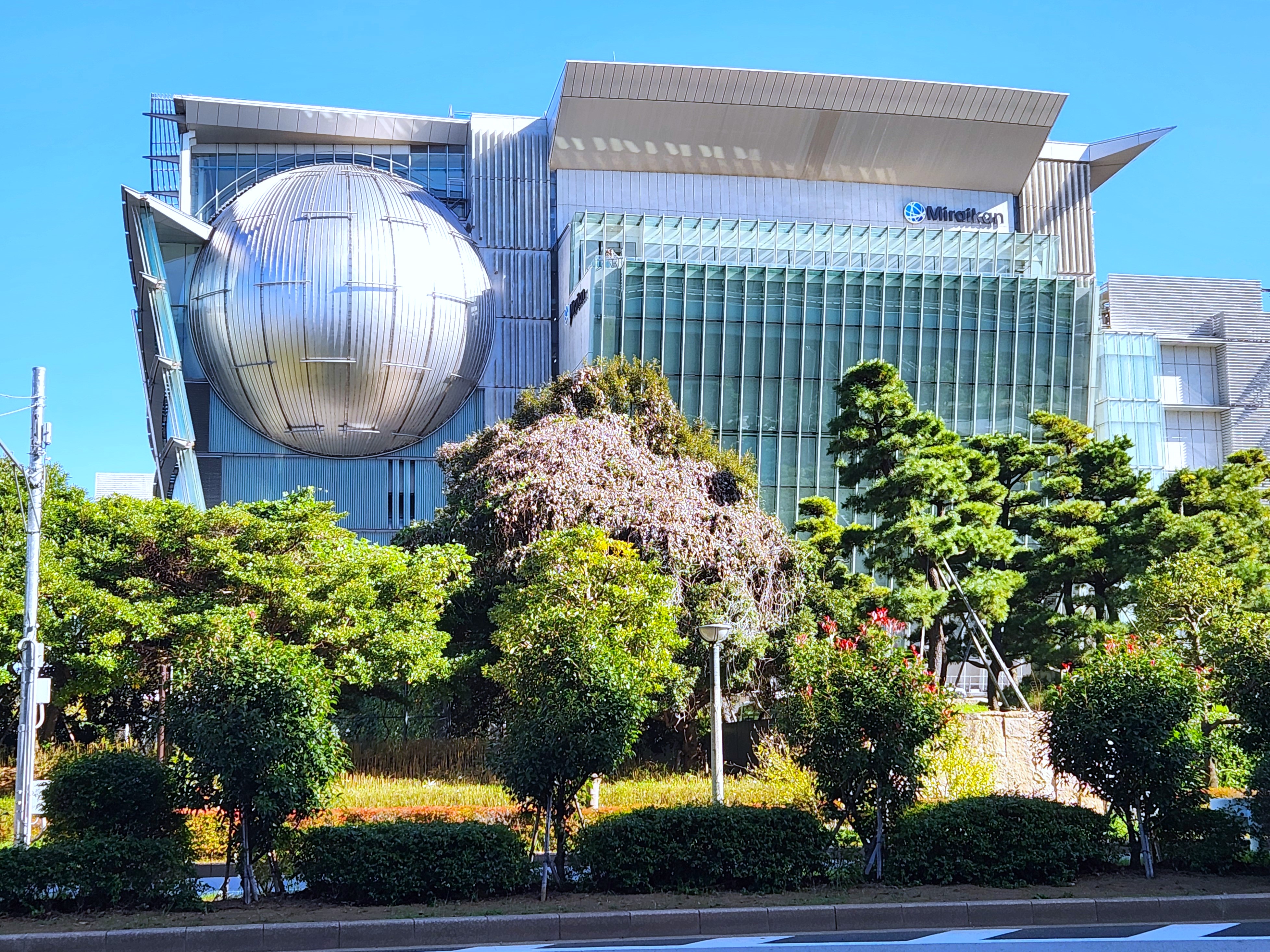
Just behind Hall C is the National Museum of Emerging Science and Innovation, simply called “Miraikan.”
Built by Japan’s Science and Technology Agency in 2001, the museum aims to provide visitors a deeper understanding of the world from a scientific point of view.
Map and Orientation
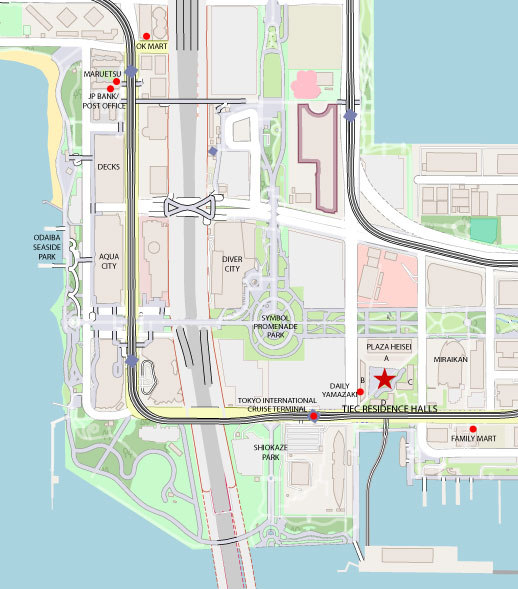
To help tie everything together, here’s a map highlighting TIEC and the nearby places we’ve covered—from daily essentials like grocery stores and banks to recreational spots like shopping malls and parks.
This visual guide gives you a clear idea of how conveniently everything is laid out, so you’ll have a convenient reference for when you first start living in TIEC:
Ready to Move into TIEC?
And that wraps up my guide to TIEC! I hope this has provided you with a clearer picture of what life at TIEC is like and why it might be the perfect choice for your student life in Tokyo.
Not only does TIEC offer excellent value, but its community and amenities make it a great home base while you study.
Even if you’re planning to stay in Japan after your studies, starting at TIEC can be a financially smart move. You can save more money while you’re a student, giving you a financial cushion for when you graduate and move on to your next phase in Japan.
For more information or to start your application, be sure to check out the TIEC website or get in touch with your university’s administration. And if you have any questions, don’t hesitate to leave a comment below—I’m here to help!
Special thanks to John and Huyen for sharing some of their photos for this post.

 Sakura Saku